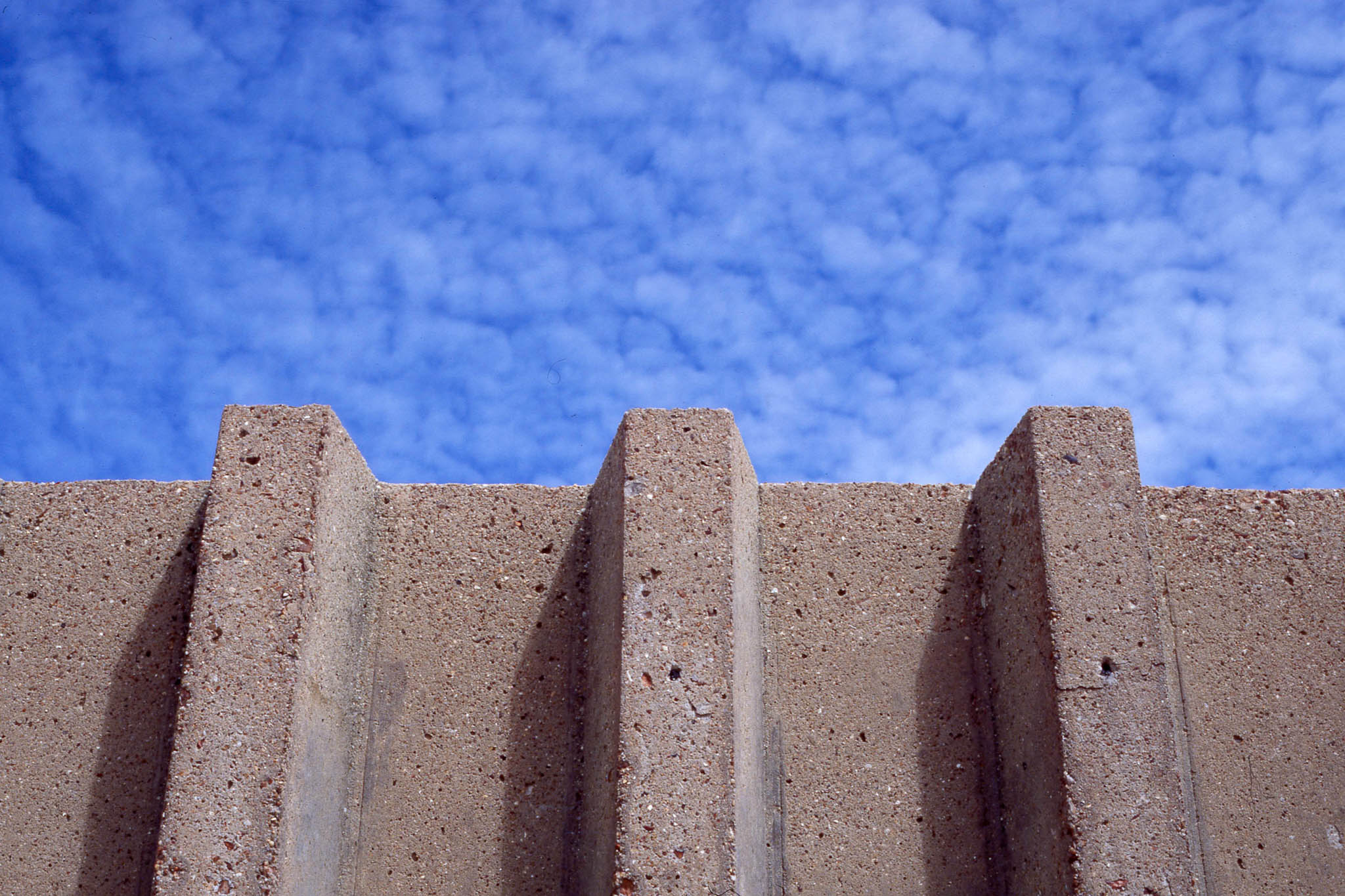
Canon EOS1 – 50mm f/1.8 – Ektachrome 100
Eager Beaver
I dashed off my pre-order for a roll of the new Ektachrome as soon as my lab told me they were taking pre-orders. I did it so quickly that I didn’t pause to consider how rarely I shoot slide film. The excitement connected to shooting a discontinued film reborn was too much for me.
I received my roll in a fervour, opened the parcel excitedly, read the packaging, and then dropped the roll into my film stash. I left it in there for well over a year.
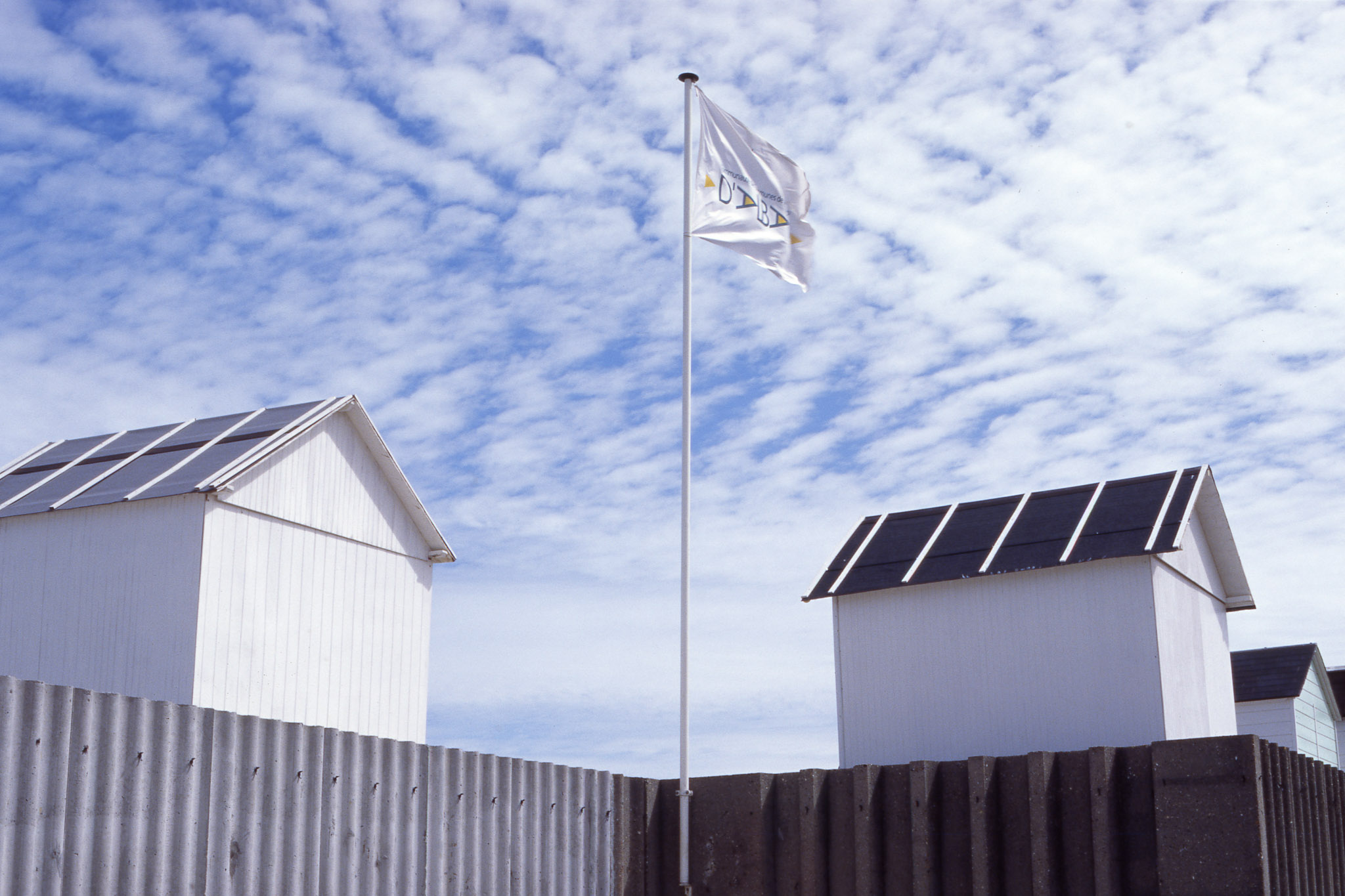
Canon EOS1 – 50mm f/1.8 – Ektachrome 100
Impetus
I’m aware that I’ve probably cross-processed a 5th of all the slide film I’ve ever shot. Not because I’ve cross-processed a lot, but because I don’t shoot much. Having cross-processed slide film at home recently, it seemed like it might be time to shoot it again, and this time develop it as intended.
There are three main downsides to shooting slide film, or at least there are three main reasons I don’t do much:
The first is cost, slide film tends to be more expensive than colour negative film, and E6 processing tends to cost more too. The second is time. I’m not currently able to process E6 at home which means using a lab, and my lab takes longer to process E6 film than it does C41. The final downside is that slide film is, as a rule, much less forgiving than colour negative film. You don’t have as much latitude or wiggle room to work with. When you’re as slapdash as I am, that makes for lost pictures.
The upsides to shooting slide film are natural colour, fine grain, and gentle contrast, (leading to highlight and shadow detail). So it’s totally worth it.

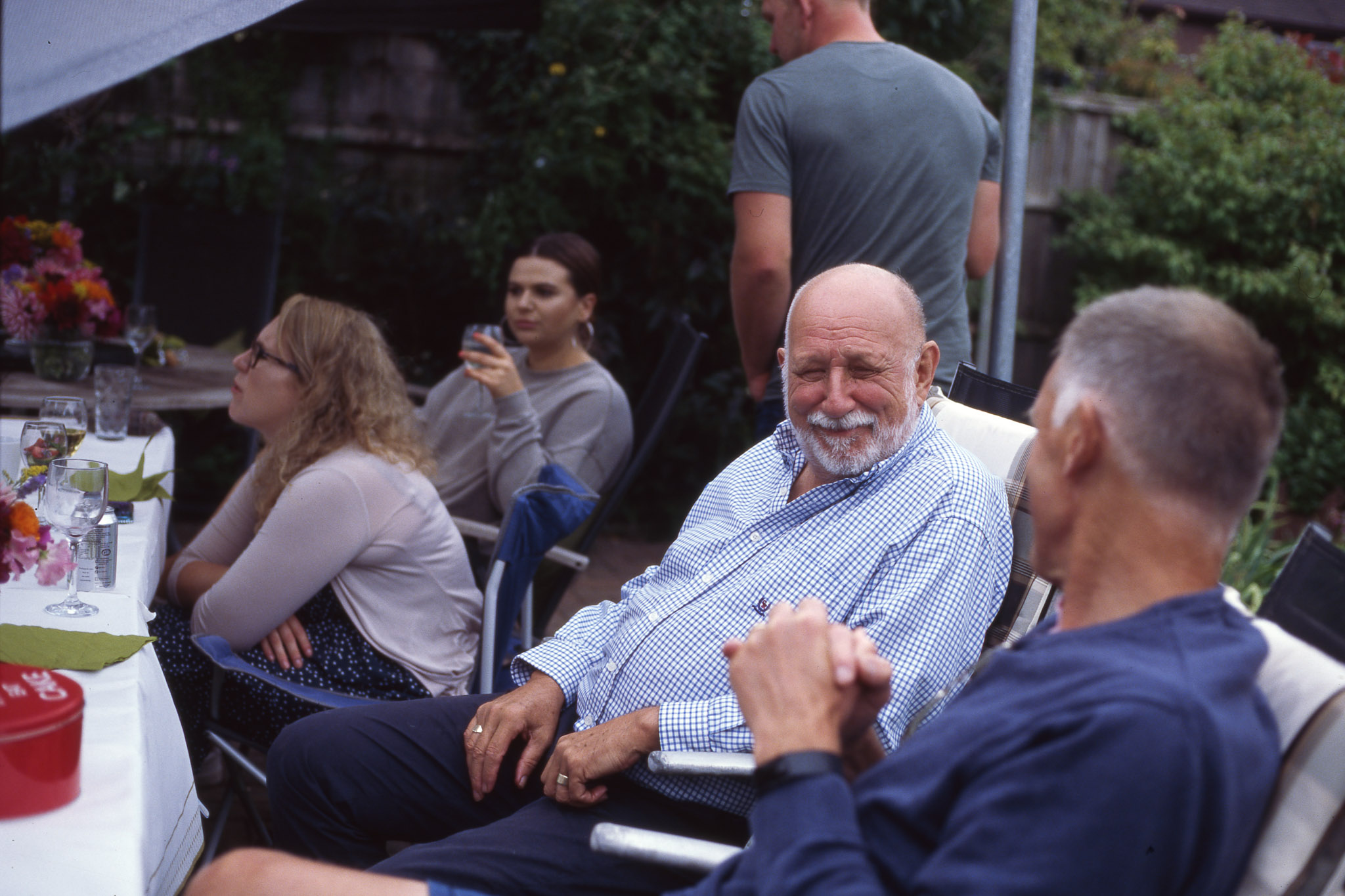
Canon EOS1 – 50mm f/1.8 – Ektachrome 100
Plans
The Ektachrome was always destined to go through my Canon EOS1. The reliable internal metering system would counter the film’s lack of latitude and its EF mount means it is compatible with a bunch of versatile lenses in my collection.
The loose plan in my head was that I would get out with the EOS1 and shoot some landscapes with it. Ektachrome has an ISO of 100 so it lends itself to tripod based work. It’s nearly twice the price of Portra, which is not a cheap film to start with, and so taking one’s time makes sense.
It also has a solid reciprocity relationship all the way up to 10 seconds, offering some flex for longer exposures. These factors coupled with the fine detail and colour would suggest landscapes would be the way to go.
This is not what happened.

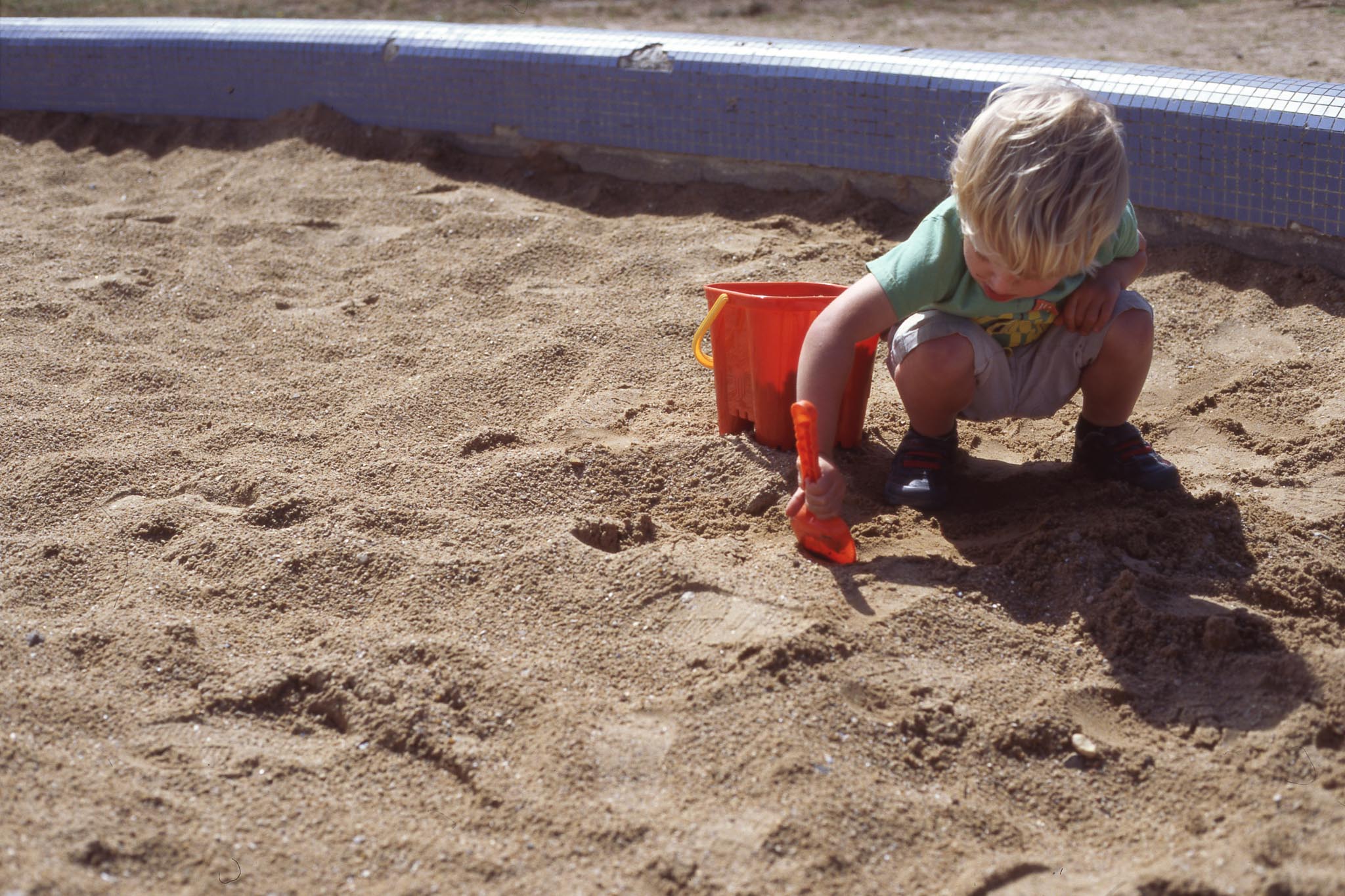
Canon EOS1 – 50mm f/1.8 – Ektachrome 100
Tidy through use
Cross-processing the slide film also enthused me about clearing through some of the singular rolls that have been haunting my stash. It felt like it was time for a bit of a tidy up.
As the EOS1 hadn’t seen much action for a while, I decided to load it with the Ektachrome. I knew that having the film in a camera would drive me to use it. I also ‘tidied up’ a very expired roll of Kodak Ektar 100 by loading my GW690III with it.
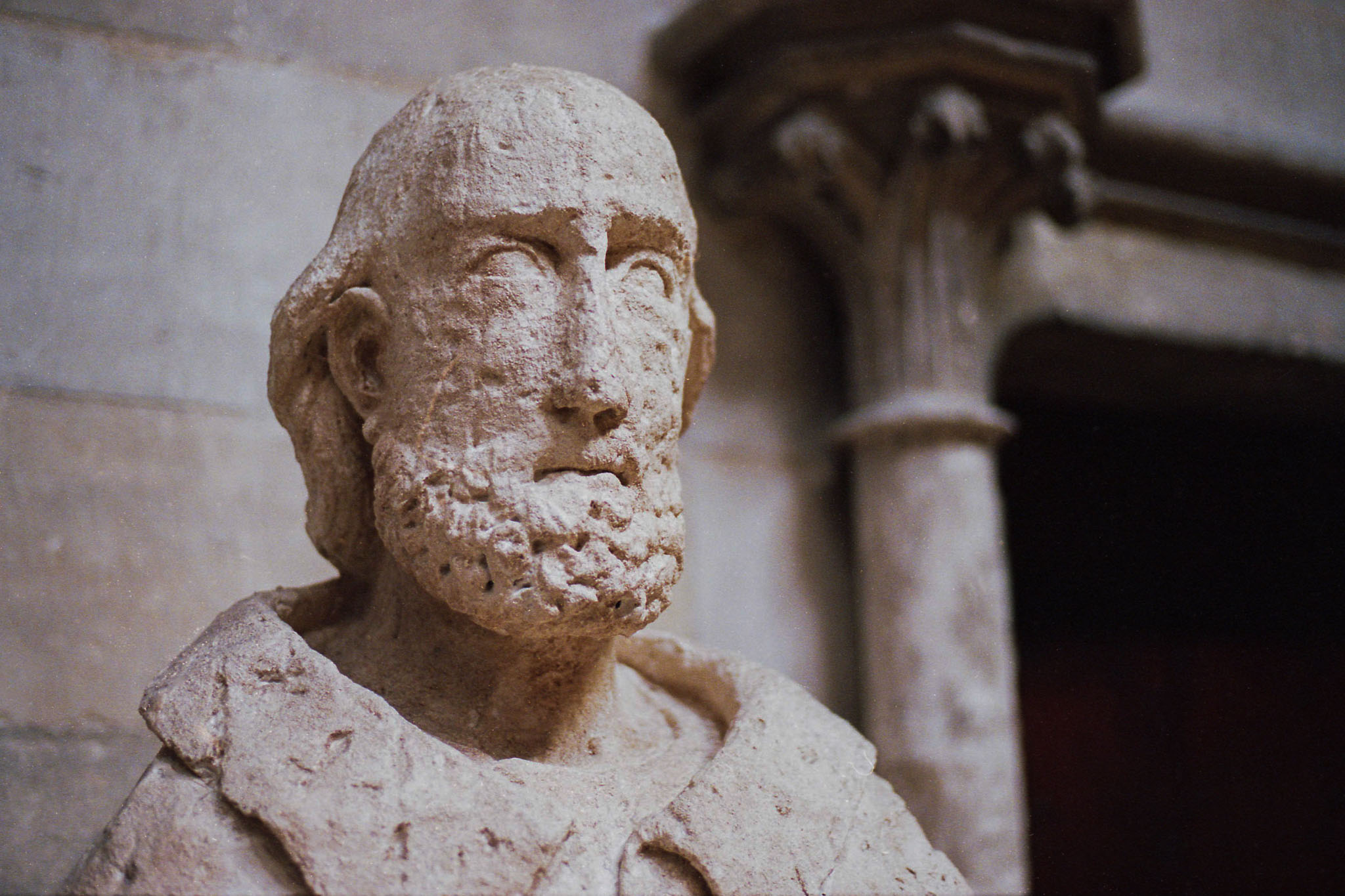
Once the Ektachrome was loaded, it was only matter of time. A family party gave me the chance to start the roll, then a recent trip to France gave me the chance to finish it.

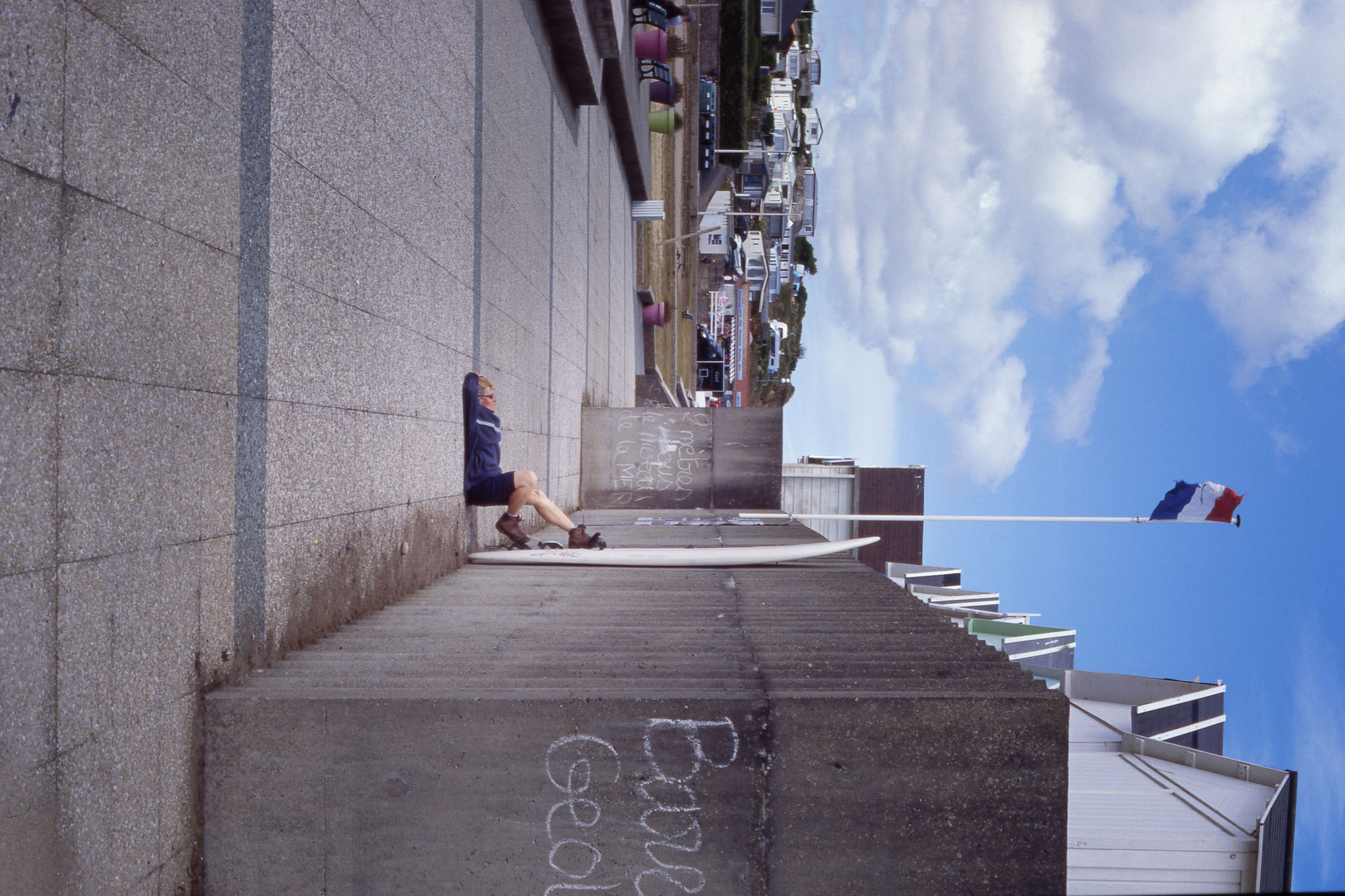
Canon EOS1 – 50mm f/1.8 – Ektachrome 100
Wrongheaded
I fell in love with Kodak Portra when I needed a replacement for my beloved (and discontinued) Fujifilm Superia Extra (120). I tend to shoot HP5+ for black and white. Between the two I’ve spent about a decade at ISO400 and I have developed a wrongheaded opinion of ISO100; that it is debilitatingly slow, (or at least too slow for handheld work).
It is of course eminently usable and the improvement in fine detail (through the smaller grain) is worth the trade off. I keep rediscovering this, and then returning to my Portra and HP5+ comfort zone.
Having done all of my own development for the last few months, and not yet tackled E6, it felt like it was away at the lab for longer that it actually was. My excitement grew with each passing day, even as I forgot the pictures I’d taken with it.
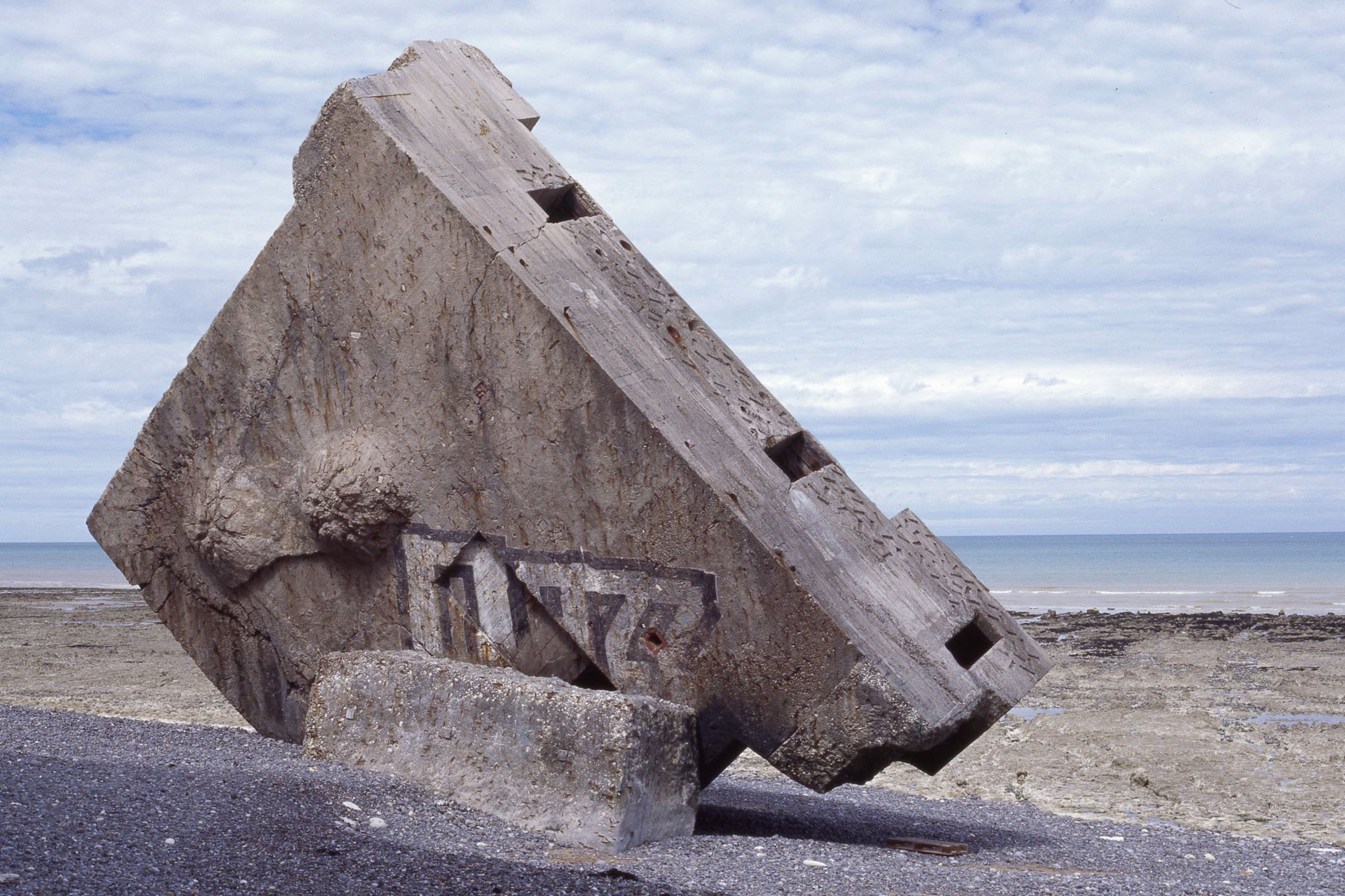
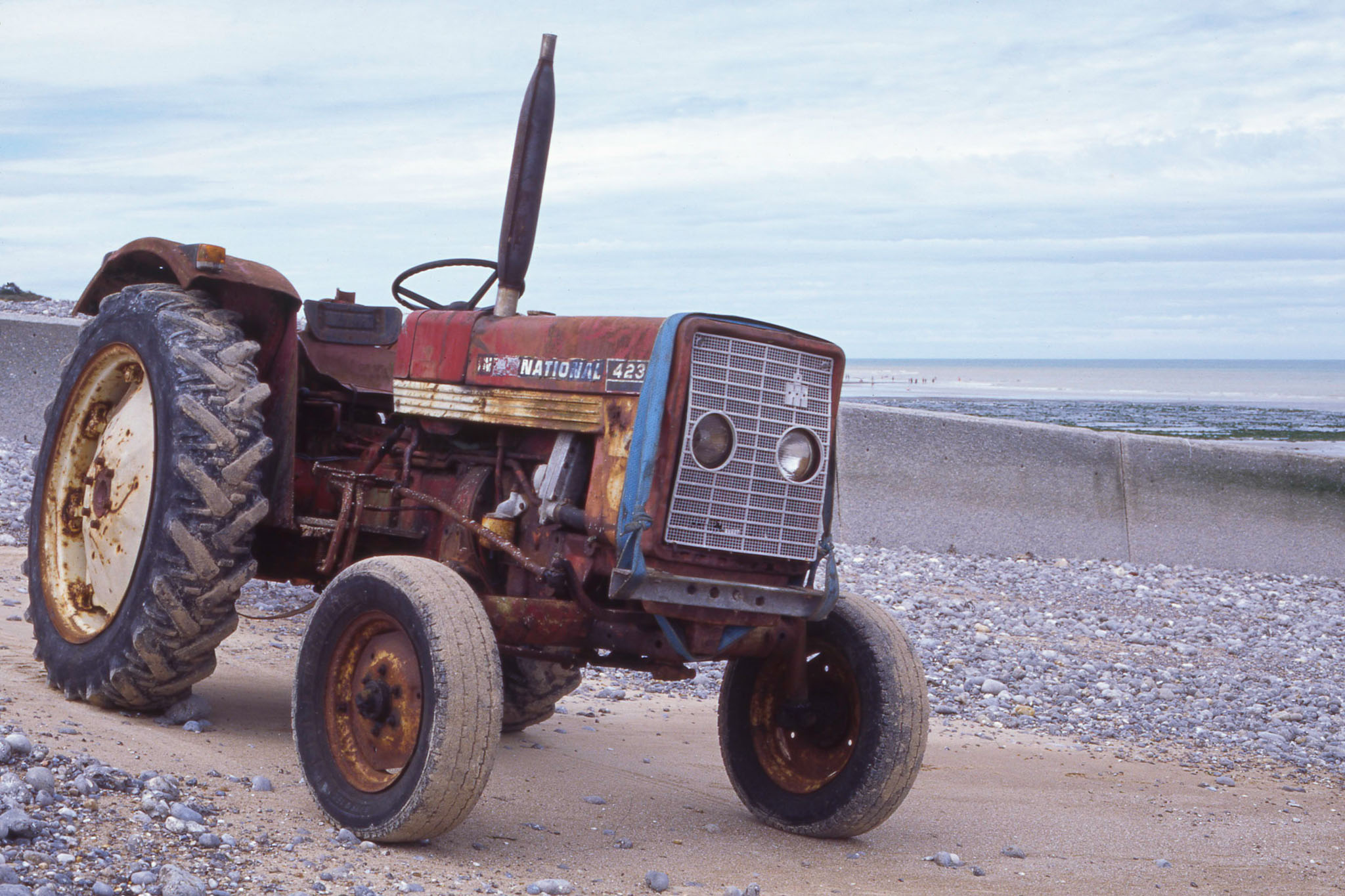

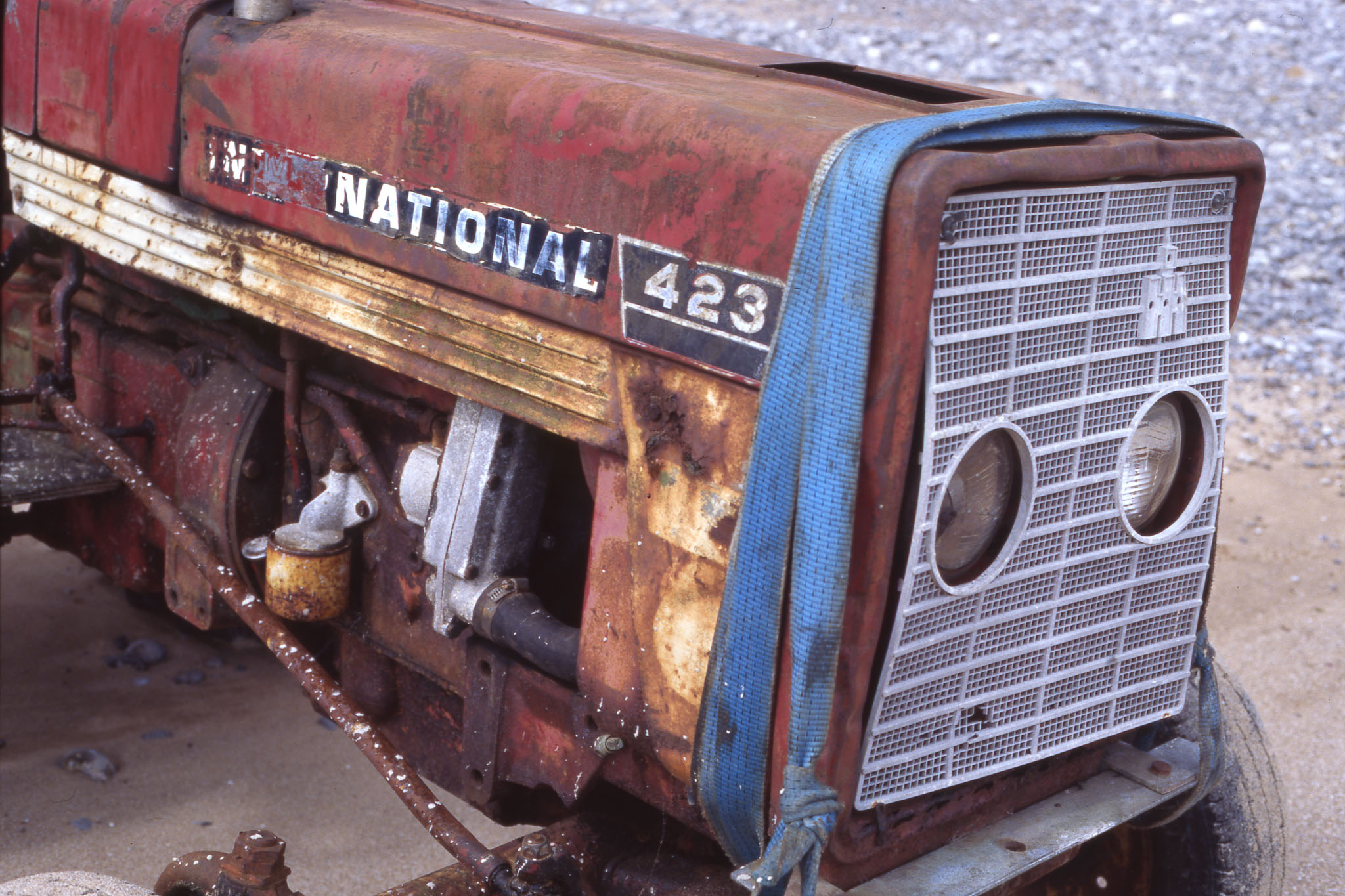
Canon EOS1 – 50mm f/1.8 – Ektachrome 100
Conclusions
Not seeing the images for two and a half weeks created space that meant I could engage with them in a different way.
Reviewing transparency film is magical. You lift them to a window and see the picture you made, you get to see the actual colour, the world that you captured, backlit and luminous.
Often the images don’t live up to this review once scanned, but the window-lift remains magical. After years of shooting colour negative I’ve become pretty good at extrapolating what I have when I review colour negatives, but nothing beats looking at slide.
These images are cooly but lushly coloured, with a soft contrast and what feels like infinite detail. Reviewing the images en masse makes its hard to hold the cost and time implications of slide film against it.
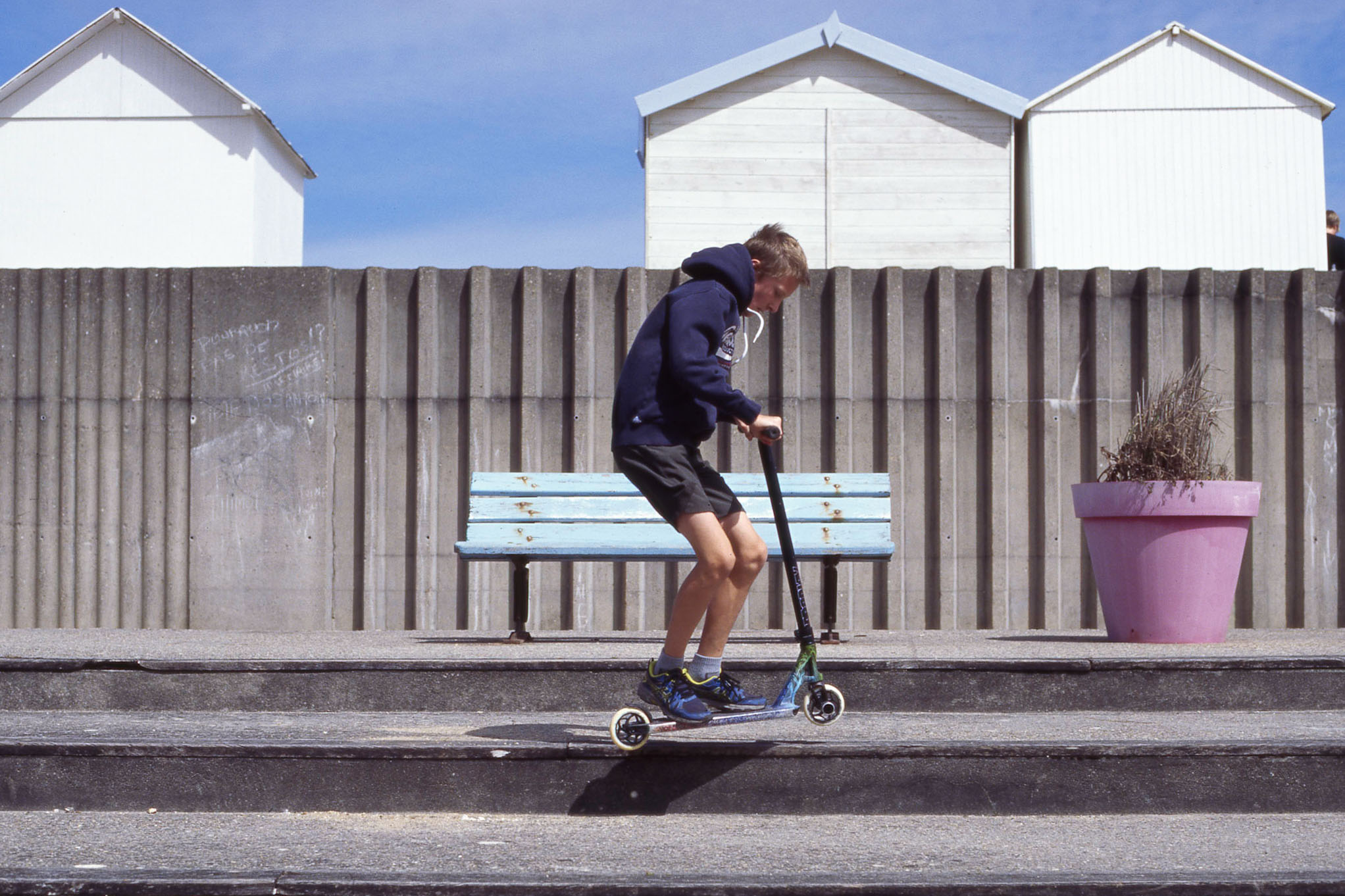
Canon EOS1 – 50mm f/1.8 – Ektachrome 100
Reviewing individual images would suggest that it serves me better for more rationalist and considered compositions than as a general mooch and shoot film.
The EOS1 nailed exposure in almost every frame, and the lightweight combination of it and the EF 50mm f/1.8 STM has produced some nice images. Upon review I think I should have branched out a little, lens wise.
Shooting at ISO100 was (of course) fine for the most part. Occasionally I would have to open up the lens a little more than I would have liked, sacrificing depth of field for some speed in the shutter but bright french sunshine minimised any issues I might have had.
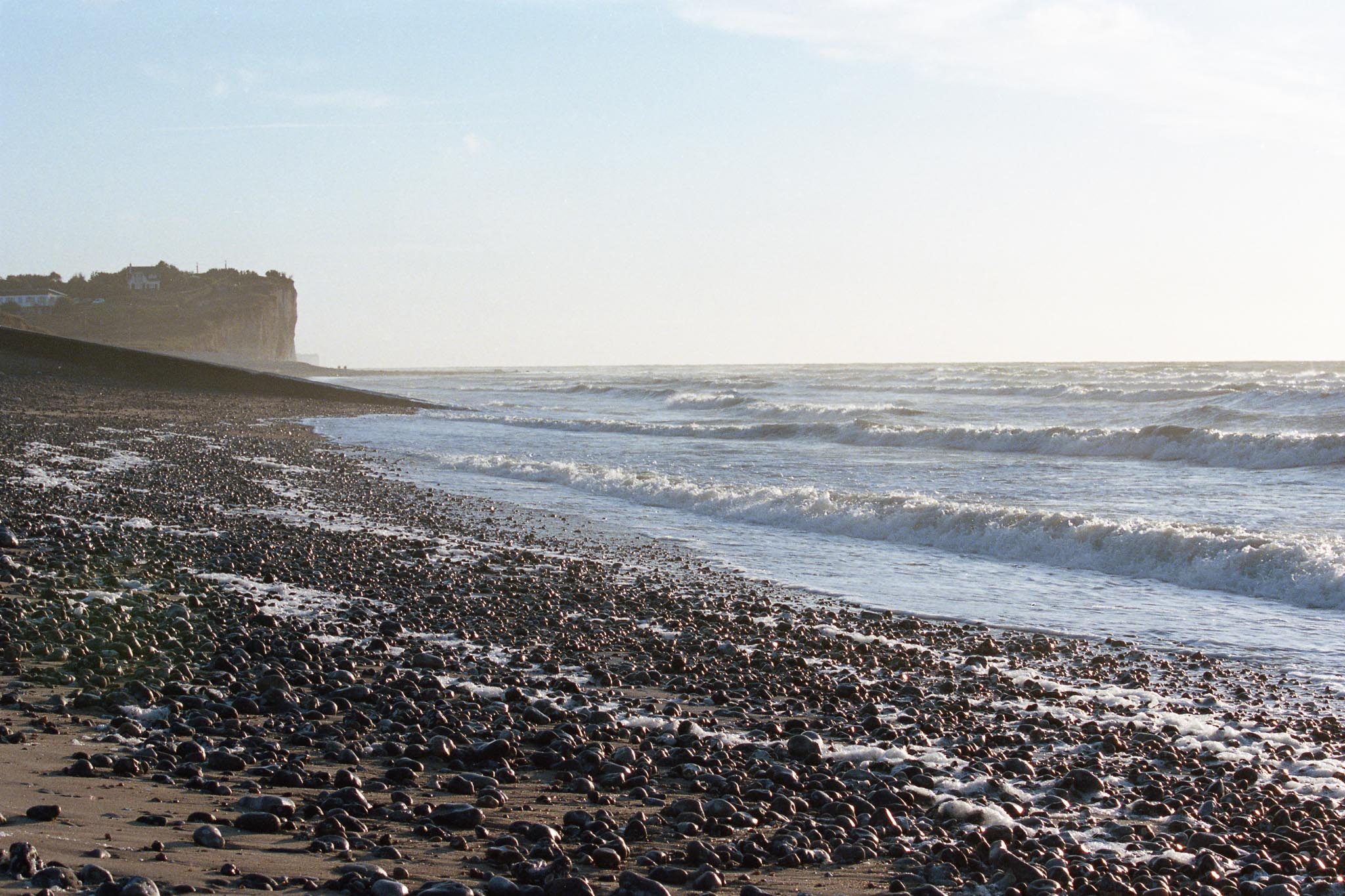
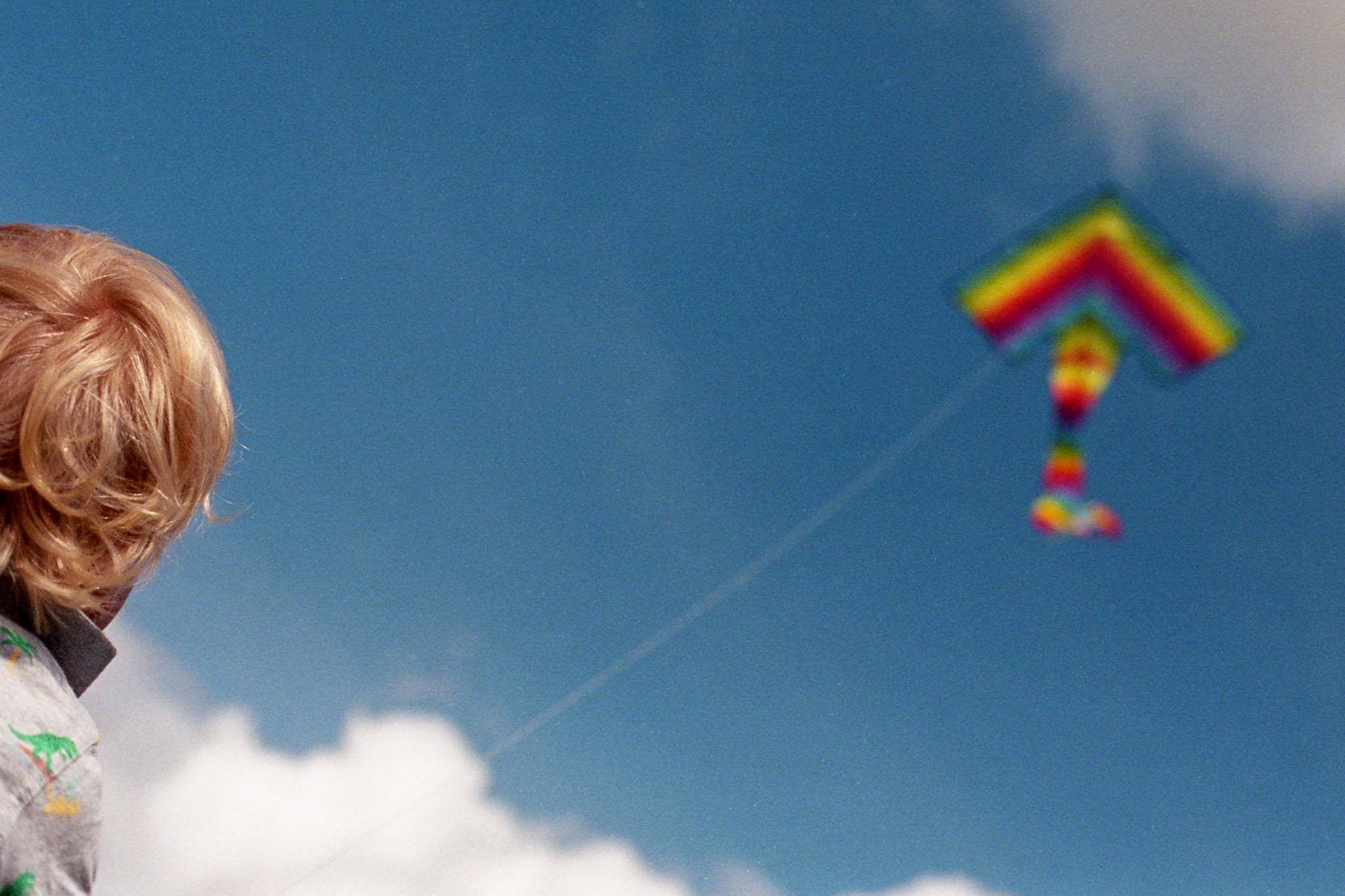
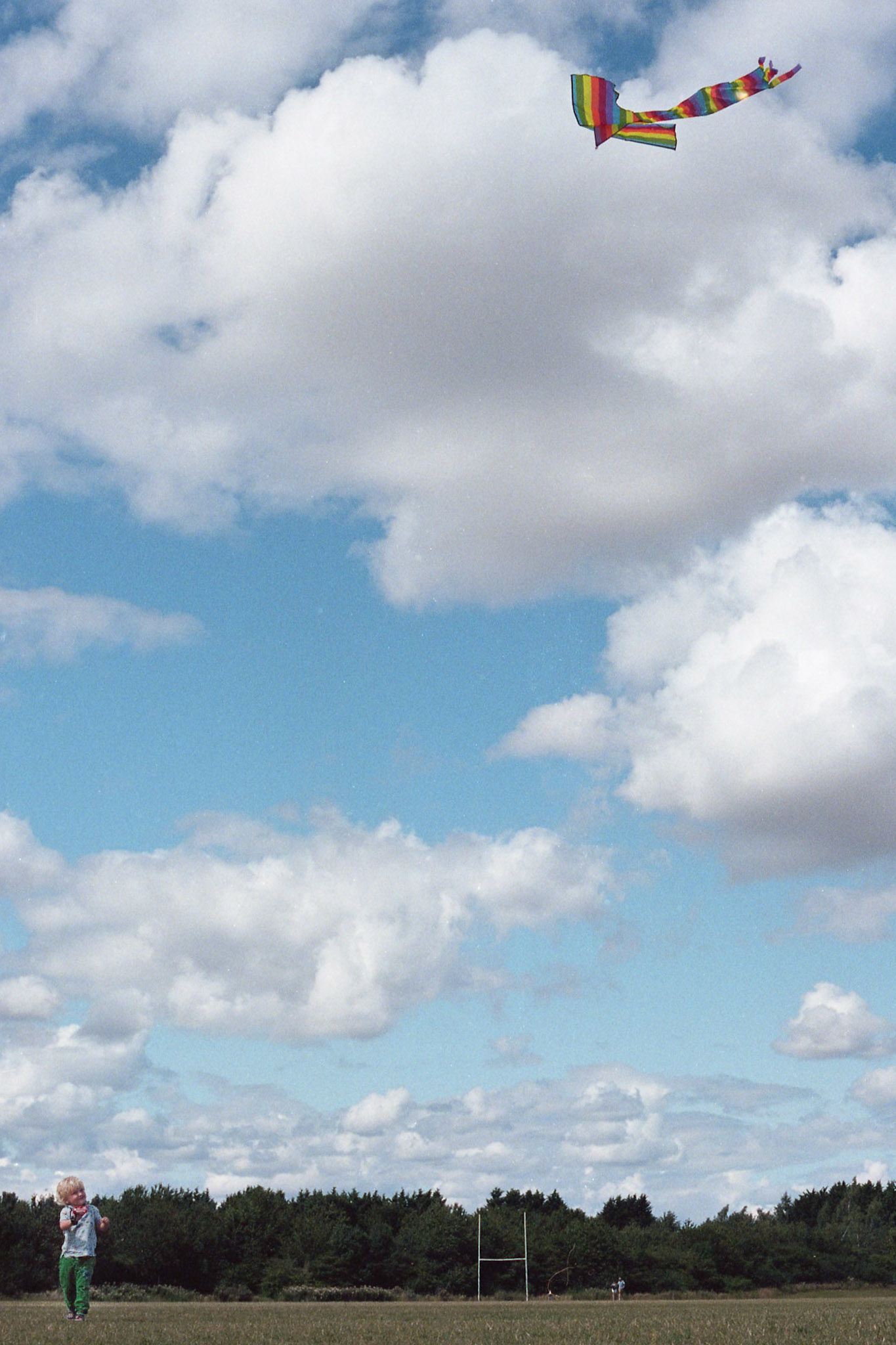
After finishing the Ektachrome, I went on to shoot a few rolls of Portra in the EOS1. They saw me though the rest of the trip and some kite flying at home.
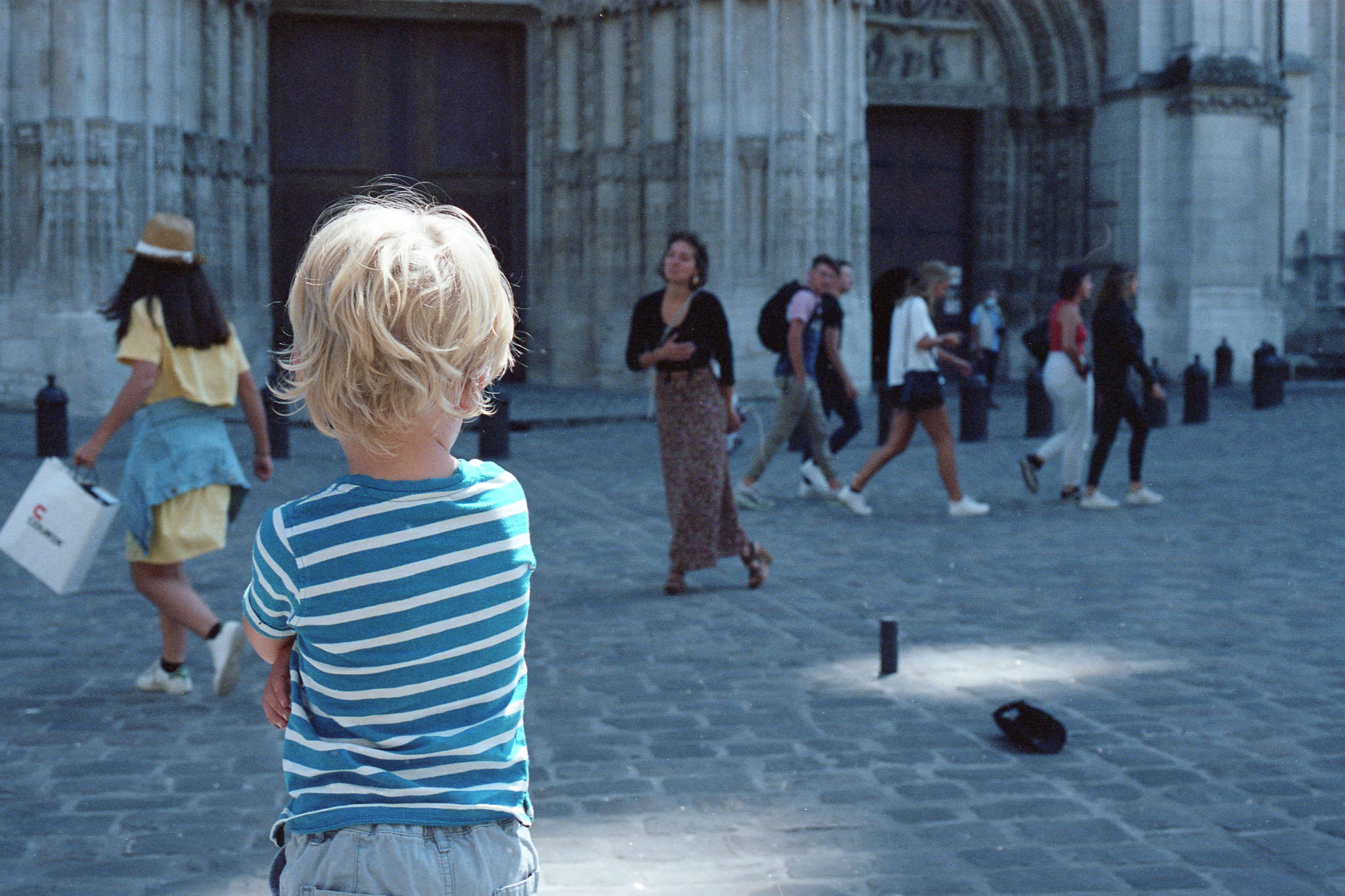
Canon EOS1 – 50mm f/1.8 – Portra 400

I came home to my new Reveni Labs lightmeter. Small, hotshoe sized, and injection-moulded, it had been destined for my Leica when I supported the crowdfunding campaign earlier this year.
It offers me a smaller and quicker metering solution to my spot meters, and would sit happily on top of most of my cameras.
I foresee a time, not so far away, when it is perched on top of my Fuji GW690 III, which is loaded with Ektachrome and tucked in a messenger bag. In my hand I’ll have one of many cameras, probably loaded with Portra, and I shall bash away at various shots, experiments and compositions, aware that at the right moment, Ektachrome is there and ready to shine.