Instant Classic
Failure to launch
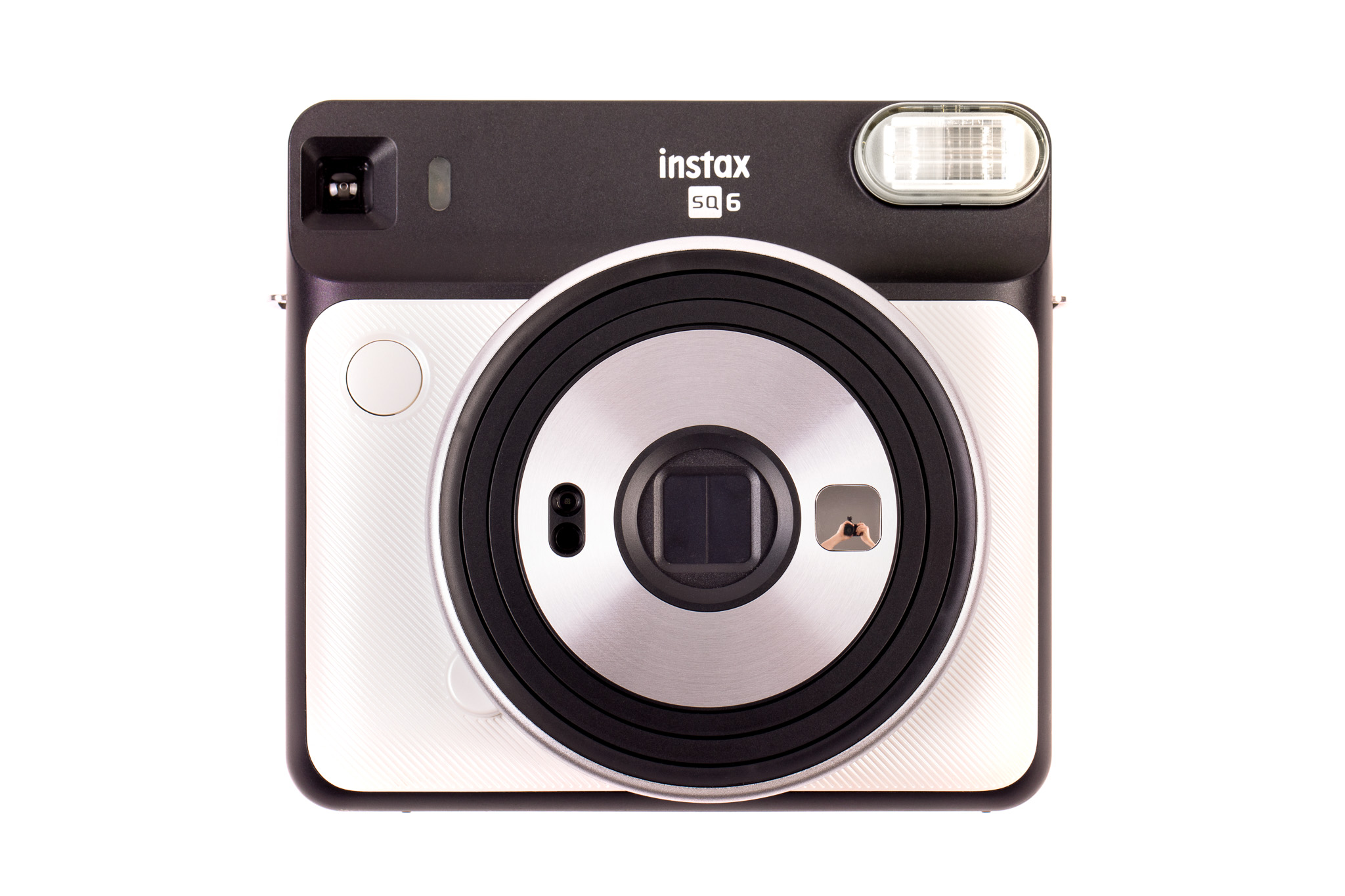
My experience with my Instax SQ6 has been, I expect, like that of many people. I bought it, made a load of photographs, and then retired it to a shelf.
This is exactly what a number of my friends said would happen. (I had a sneaking suspicion it would happen too, which is why it took me so long to buy one).
The first few weeks were spent trying to get good with it. I wanted to know what constituted a close-up and when I could get away without using the flash.
I knew running out of film would be an easy excuse for not shooting it and so I made sure I had plenty. In the end I didn’t need to run out of film to stop using it. I just started using my other, better, and more versatile cameras.
I didn’t take the Instax to France in the summer because I could only reasonably take about six cameras and there were others I wanted to take more. Don’t get me wrong, it does get to play, but it’s when the intern and I are hanging out together at home. (I take more selfies with it than any other camera in my collection).
Having done exactly what a number of my friends had expected, I felt both aggrieved and predictable. Much like my Loupedeck (and the jacket I bought against my wife’s advice in April), I have been proved wrong.
I wanted to confound their expectations and make both quality and consistent images with the SQ6, (and look good in the jacket).
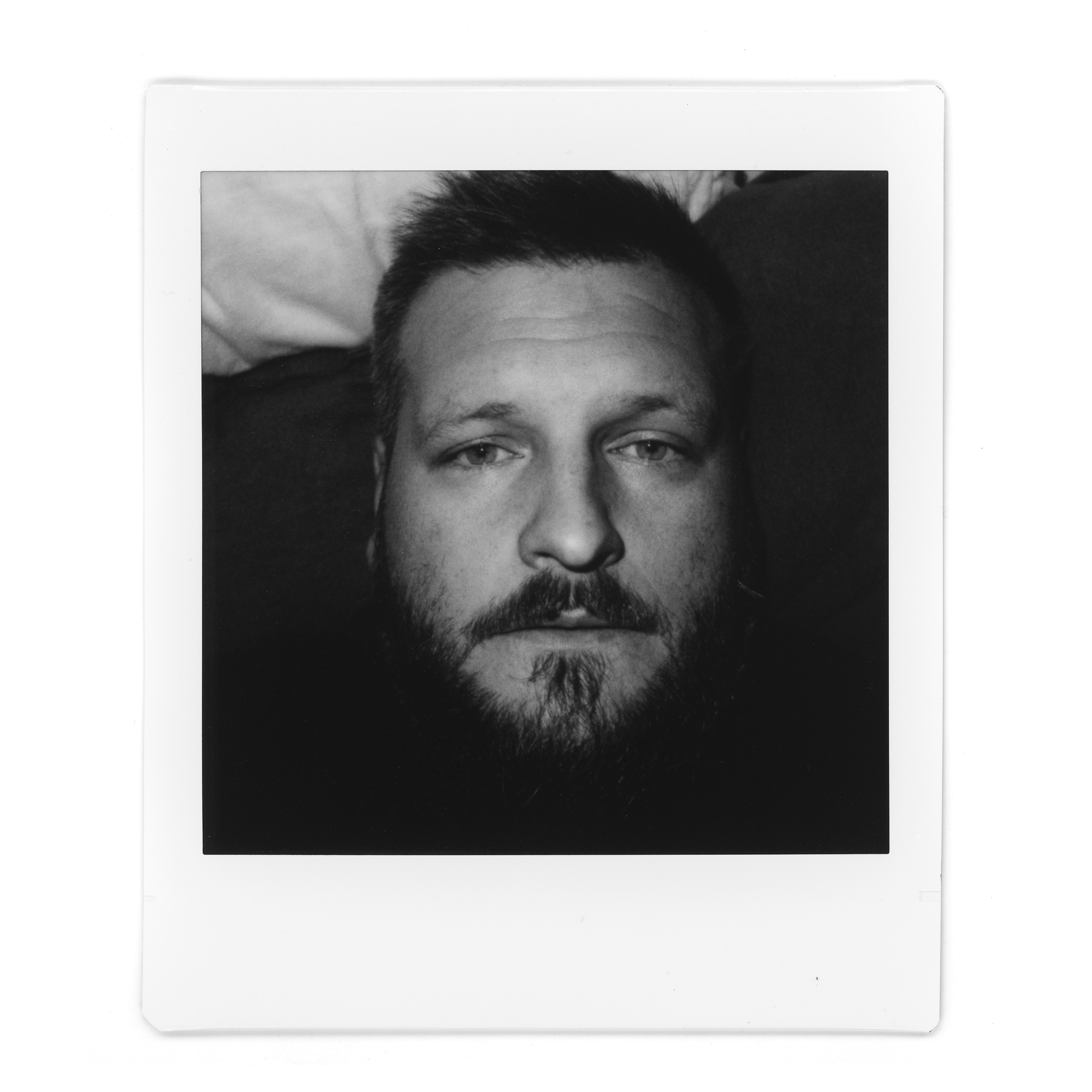
Covid-19 Selfie
Model Choice
When I bought my SQ6 it was the only non-hybrid square camera in the Fujifilm range. Having the non-hybrid camera meant a truer instant photography experience, and I chose the format because it was bigger, and because I like square. (The proportions echo classic Polaroid too).
One major downside to picking the square format was that there was no black and white film in the square format, something that has been available to Instax Wide & Mini users for ages. This lack of a monochrome version genuinely gave me pause.
When Fujifilm announced a new camera a few weeks ago, I looked up for long enough to note that I liked it, and probably would have bought it if I hadn’t already bought the SQ6.
Alongside it they also (finally) launched a black and white film for Instax square.

Sunflowers and Time
Black and white Squares
My first mistake was only ordering a single pack. Ten pictures was never going to be enough to make a judgement about what the film was capable of. (Actually 10 frames is ample to get a feel for the film, but I wanted better pictures for a blog post).
Trying to produce the goods with only one pack made me precious about the film and made it harder to judge what to photograph. One of the things I learned from my first go-round with the Instax was that to shoot sparingly is to produce crap. I need to throw some film around to get the results I want.
The arrival of the second batch of film coincided with being quarantined with Covid-19, which was unpleasant. During quarantine I also caught up with the lovely Elsa Dorfman documentary The B-Side, which was much nicer.
While watching it I decided two things. I was going to resist the urge to start writing on the bottom of my prints as she does, because that would be cheap. Secondly I decided to show some respect for the process.
My camera might not be a 20×24″ Polaroid but it is instantly capturing and printing the world as it sees it. That is not nothing. To watch the Intern’s face as a picture appears before his very eyes is to be reminded of that wonder.
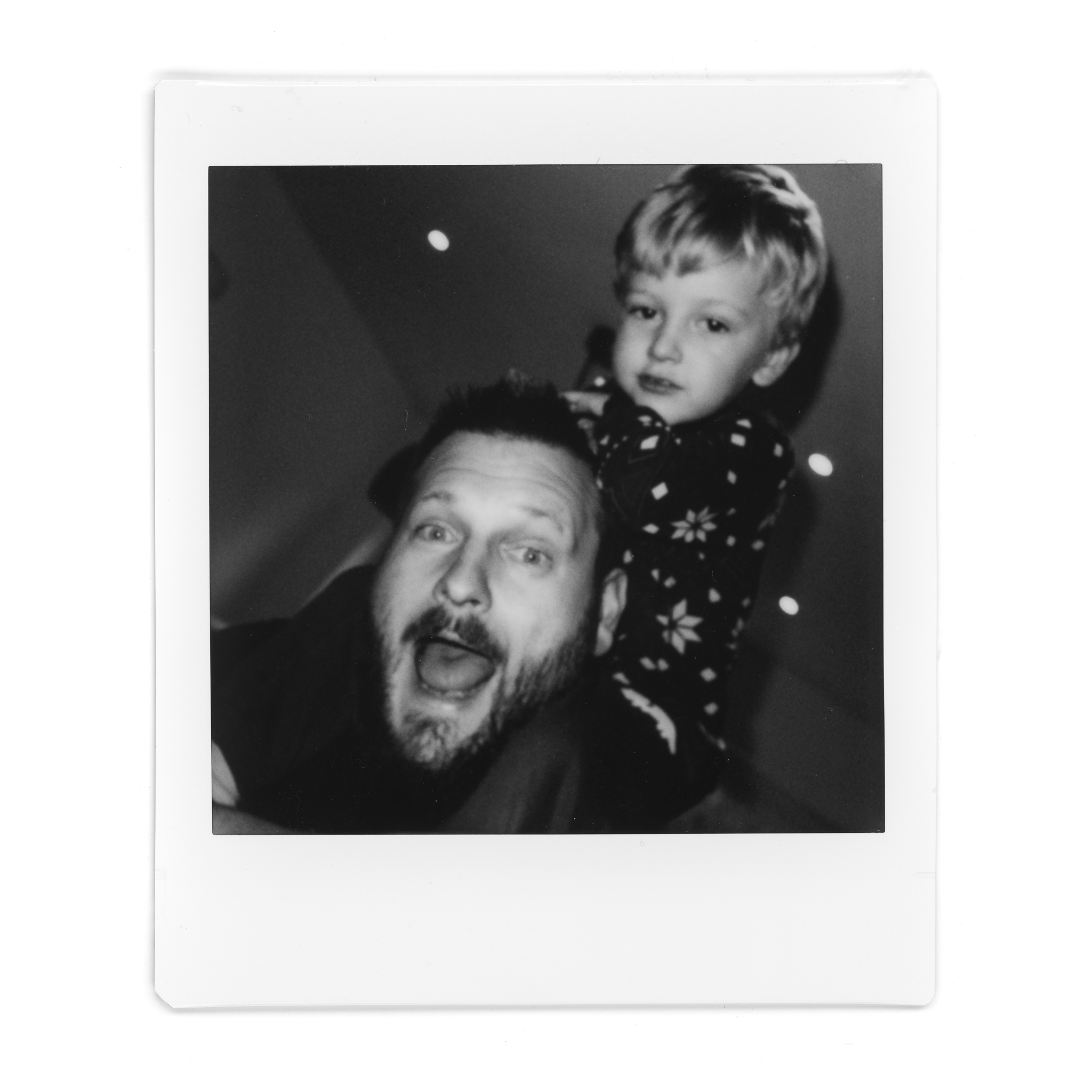
Playing it cool
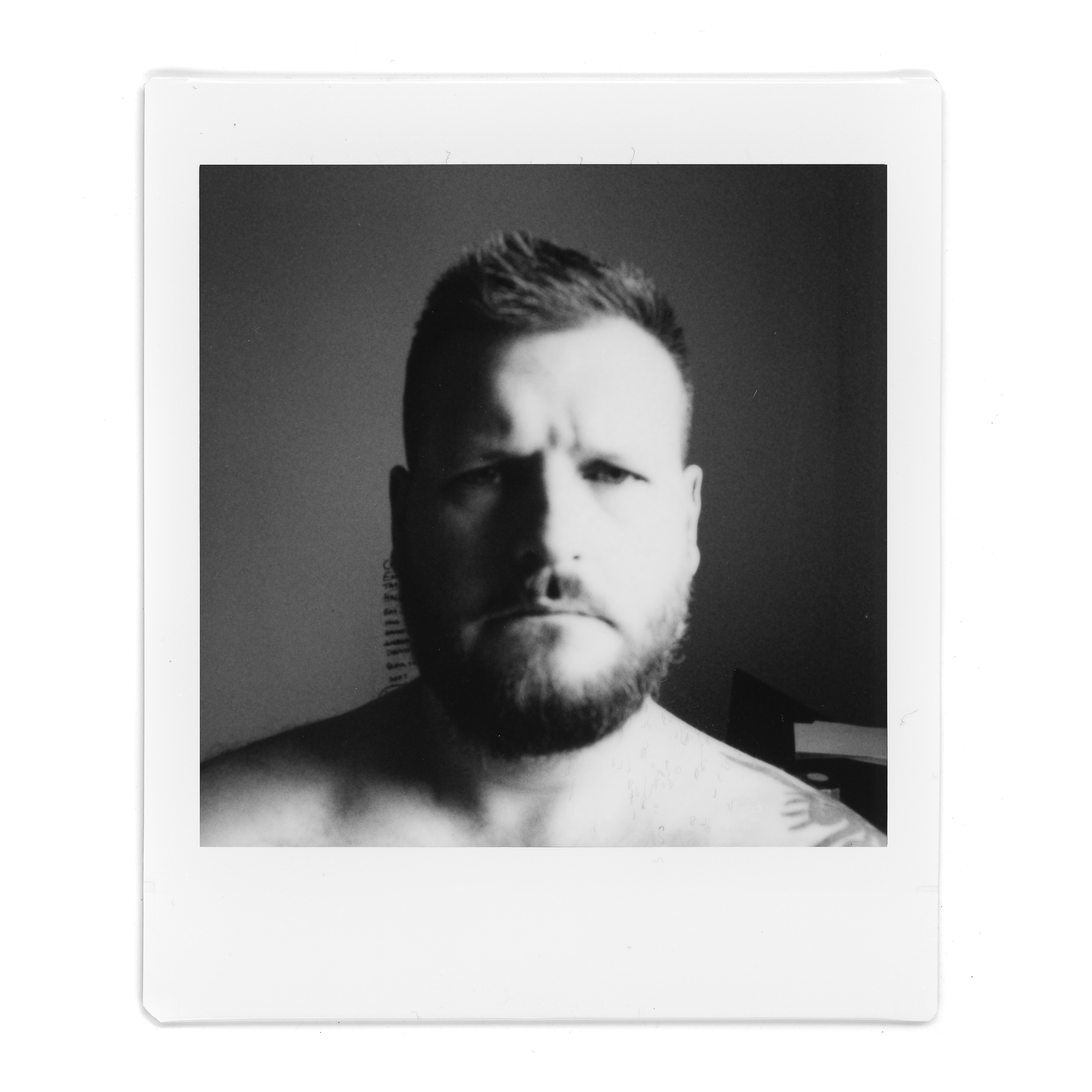
Improperly Exposed

Papped on the stairs

Playing it cool
Results
The monochrome film either has a more limited dynamic range than the colour film, or the colour film hides it better. Highlights often blow out, and not being able to combine the darken mode with other modes has proved galling on more than one occasion.
There is a beguiling juxtaposition at the heart of Monochrome Instax Square, which is that of the classic high-art monochrome look we recognise, and the instant; throw-away, selfie, photography it’s so good at. I love it for the very occasional winner it spits out, not quite at random. I love it because of course it can’t make the camera sharper or make me a better photographer.
The camera itself remains both perfect and imperfect. It lacks the quality I crave, and yet it was cheap and is fun, in a way it could not be if it offered more control. Had I bought the RF70 I was lusting after at the beginning of the year I would likely be feeling a bit guilty right now.
The Instax has been an odd and sporadic little companion through an odd and sporadic 8 months, and I’ve come to the conclusion that the pleasures of Instax are small but cumulative.
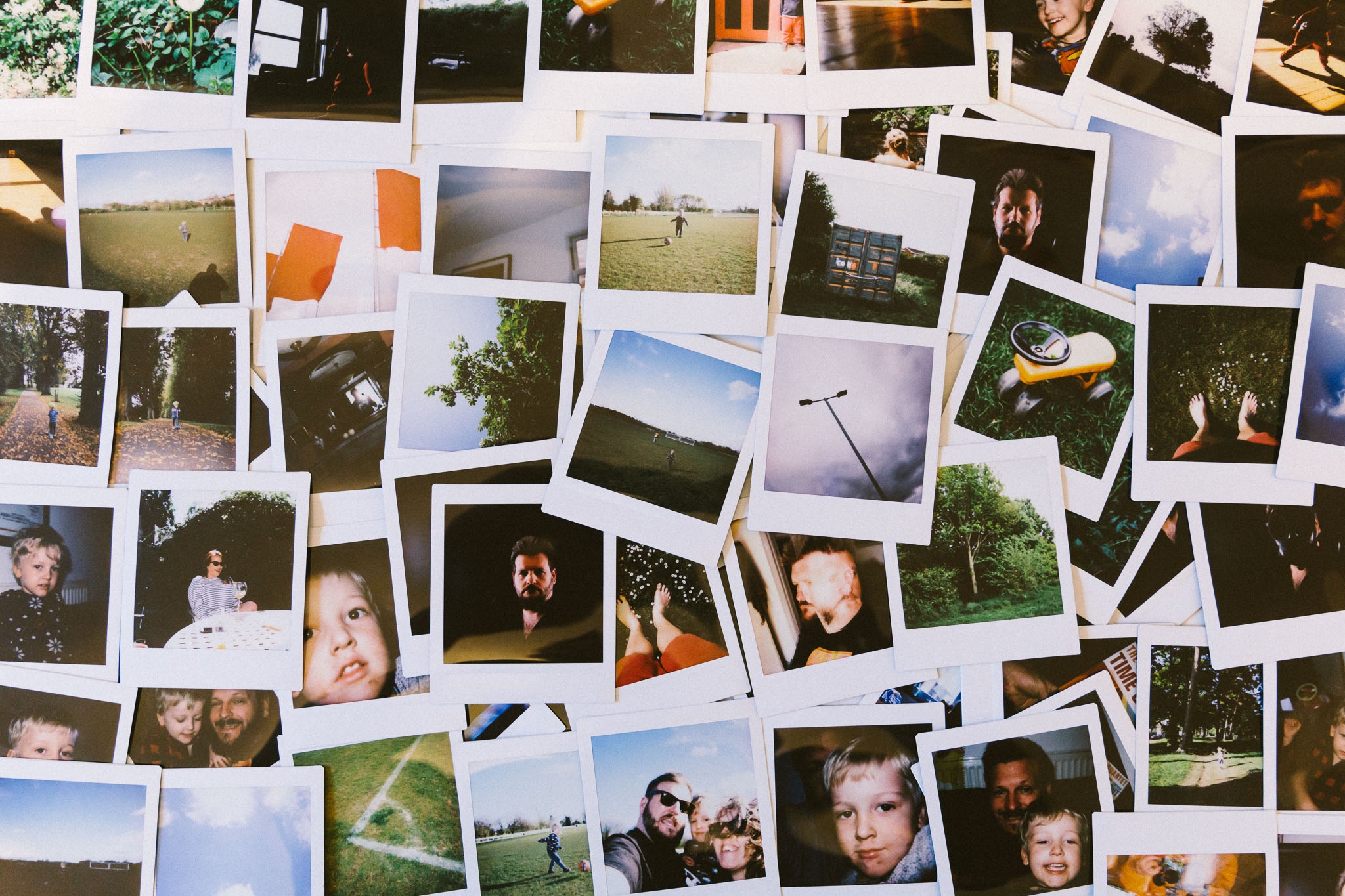
The photos may lack clarity and dynamic range, but the mosaic they create when you lay them out is a picture of a life unedited.
Silly, fuzzy, careless, improperly exposed and pockmarked with mistakes, experiments and do-overs; it remains a more apt record of my 2020 than I’ve made with anything else.