
Caving in
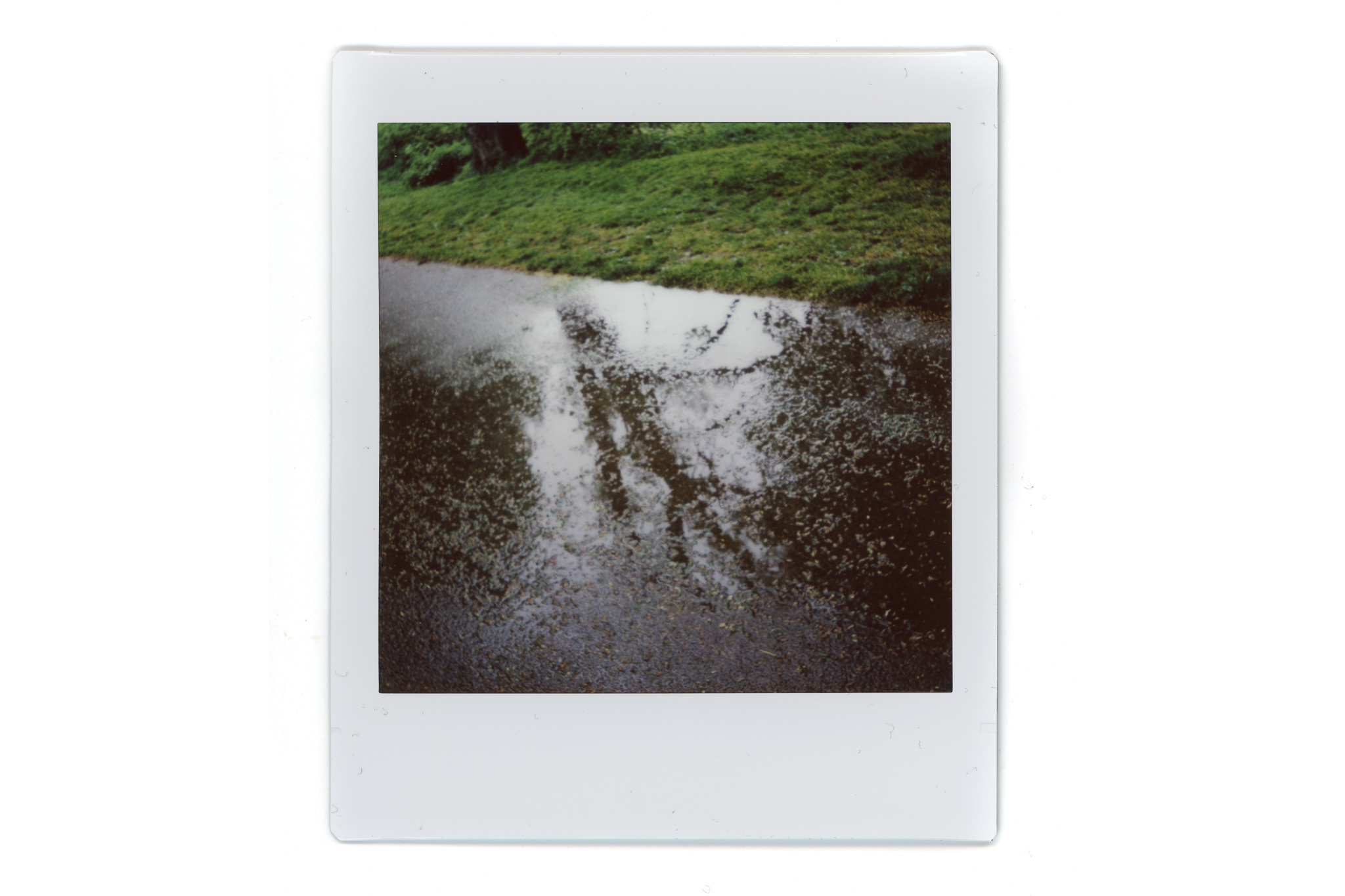
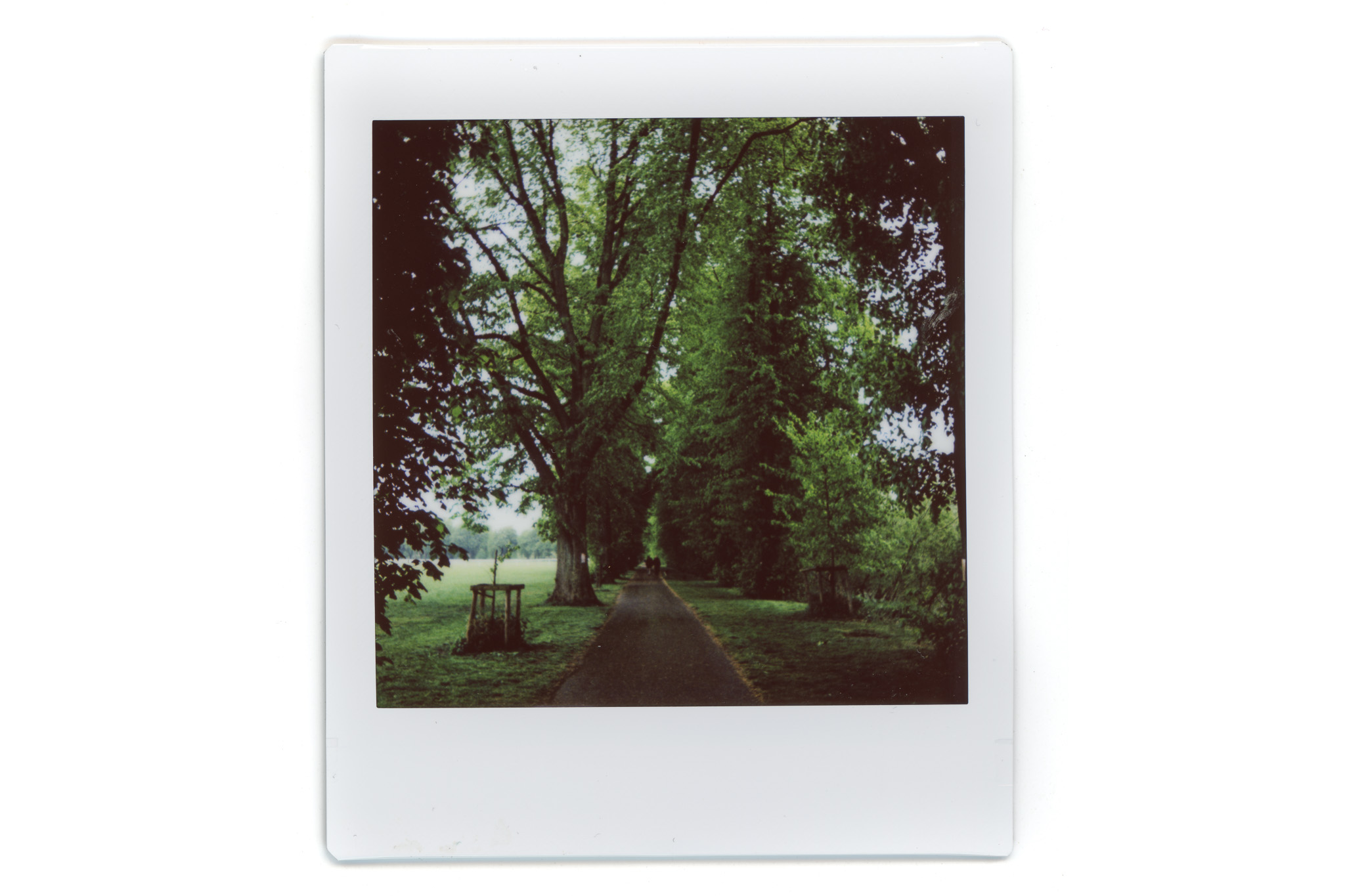
After about a week of quarantine I gave in to an urge that I’ve been fighting for a number of years and bought an instant camera. Over the last 6 weeks I’ve taken about 80 pictures with it, and I’m really glad I caved.
The last time I felt the need was about two years ago and I borrowed a Leica Sofort from my friend, Hamish. This helped postpone the inevitable. Since then the instant camera market has grown and diversified, and I’ve dipped in and out, managing (until now) to not buy a camera.


Choice
Where you enter the market affects what you can do with the camera, and there are arguments for each of the options. There are entry-level ‘fun’ cameras, wonky enthusiast models, and high-end, high-fidelity rigs. Part of the reason it’s taken me so long to actually fall off the cliff is a sense of stranded confusion about which to buy.
These waters have been muddied further by the crowdfunding of a number of Instant/Instax backs for Hasselblad cameras, which I want. Also, around the time I was playing with Hamish’s Sofort, Mint Cameras were starting to ship their really lovely InstantKon RF70, which I also really want.
These options aren’t cheap, but I’m no stranger to spending money on cameras. The issue is that I still view instant photography as a pleasant frivolity, and have thus struggled to justify spending serious money on it.


Finally
I bought the Fujifilm Instax SQ6. It had to be the SQ6 as it is cheap, square, and instant, (as opposed to their hybrid offerings). In the past I’ve either learned from lo-fi projects, had fun, or both. Working within limitations can produce interesting and creative work and teach you about your wider process, it can also drive you crazy.
I bought 30 shots with the camera, and almost immediately ordered another 50. Aside from practising with the camera, so I can get good with it, I also need to practice not being too precious about the film.
Bulk buying can get your costs down to about 75p pence per photo, significant when compared to digital, but not to lab-developed and scanned 35mm film. (It’s positively cheap in comparison to medium and large format). Having made my peace with all the film I get through, it would be churlish to complain about instant costing the earth, (although there is the single use plastic issue to consider).
Much of what I’ve made so far has been delightful crap. I’ve been experimenting with various options and possibilities, testing various modes and trying to get a handle on things like minimum focus distance and correcting for parallax when shooting close-up. (I’m either really struggling to frame with this camera, or have been cropping everything else).


Challenges
The SQ6 is a basic camera, with a few picture modes rather than controls. As someone who is used to having more input in setting exposure I’ve found myself trying to think like the camera, or in some cases trying to trick it into giving me what I want.
I have a lighten, darken, selfie, double exposure, macro and landscape mode, as well as full-auto, but you can’t combine modes. You can’t darken a selfie, or double expose for macro. It’s also quite hard to gauge how the film is going to respond to a given scene. I’ve been surprised on a few occasions as to the film’s performance. I’m evidently expecting too much from it.
Deliberately using the camera for things it wasn’t intended for, like studio work, is bound to produce an outtake or two. However, I’ve even had to have multiple goes at a few landscapes that I thought would work first time. In terms of results there have been a few occasional gems, usually when I’m working to the camera’s strengths, or where I’ve been prepared to throw some film at the problem.


Instant versus Instant
My first serious jones for an instant camera coincided with the imminent arrival of the intern (my son). I had ideas about immutable, intimate and original photographs that captured moments and printed them without edits. I didn’t buy one.
What we have instead is a wealth of photographs and videos shot on cellphone cameras. These exist in such number that they remain unedited, awaiting a nostalgic moment. They stand as a record instead.
Likewise I had a vision of a series of instant photographs that would capture the essence of our familial lockdown. This we have to some extent, but again the cellphone generated media has eclipsed it in terms of intimacy, immediacy, and volume.

Deliveroos rather than takeaways
I’ve had fun playing with the camera so far, and I’m glad I decided to experiment. While I can foresee a time when I’ve run out of film for it and getting more isn’t a priority, I’m going to be messing around with this for a while to come. At least now I don’t have to obsess about which one to buy and whether it would be a waste of money.
There is something lovely about the fact that it is printed, warts and all. I’ve begun peppering the wall of my studio with prints of my family and our lockdown together, pictures I would never have printed if the choice had been mine. I’ve been concentrating on the feeling engendered by the picture rather than the de facto quality of the image, and that has been a breath of fresh air. An inability to achieve perfection frees one from its pursuit.
Would I be making better photographs with the RF70 or my Hasselblad with an instant back? Possibly. Would I be feeling guilty about how much I’d spent?
Probably.
There may be another instant camera in my future but I’ve bought myself at least two years, and who knows what will have made it to market by then.


0 Comments