History
Over the last ten years or so, the family trip to Italy has become a cornerstone of my personal practice. I got to know my Hasselblad in 2013, I shot my first colour large format in 2015, and last year I got to grips with my Leica. Deciding on the gear shapes the nature of the trip, and this choice is the downside of an embarrassment of riches. Having recently re-engaged with my Hasselblad, I was tempted to take him, likewise a blast with my newly acquired Canon EOS 1 felt likely. Last year I went analog only. This felt like the culmination of something, the final stage in a process that had taken a few years. My confidence with analog photography was high. The trip included some time alone in Rome and a large-format workshop in EUR, the trip ticked a few boxes. Last year I found out that the local cheesemaker made fresh mozzarella twice weekly. I really wanted to shoot it. There was something simultansously universal and yet quintesential, mundane and yet romantic about mozzarella production that had me hooked. I resolved to shoot it this year if I could.
Perpetuation of Stereotypes
Reportage in photography is something I love, so part of the push for these kinds of opportunities comes from that in-built love of storytelling. The other part comes from a converstation I had a few years ago with a friend. He noted that the rustic aesthetic of “derelict barn nestled between rolling hills” reinforces an impression of a country that was at most only partly true. In the past I have been guilty of producing previsualised images that are based upon my preconceptions. The photographs aren’t responses to a place, they are photographs of my idea of a place. This ‘postcardisation’ is something now I try to avoid. I don’t want to reduce these spaces to themeparks. My friend’s comment was driven home further when I saw Steve McCurry’s “Sensational Umbria”. It was an exhibition in Perugia a few years ago produced in partnership with the Umbrian Tourist Board. There were many faultless postcard pictures of an Umbria that I didn’t fully recognise. (That’s not to say that Umbria isn’t beautiful, or that I’m able to completely eschew a personal context when I’m shooting or selecting subjects). By photographing people making things, living and working, I hoped to go beyond the sunflowers, to capture something ‘real’. When planning the shoot in the cheesemakers, I wasn’t sure of the space, light, time of day or process (beyond some googling), and thus decided to pack my most flexible loadout: DSLRs and fast glass. Once I knew I was going digital it made sense to pack my good tripod and filters, landscape lenses, and…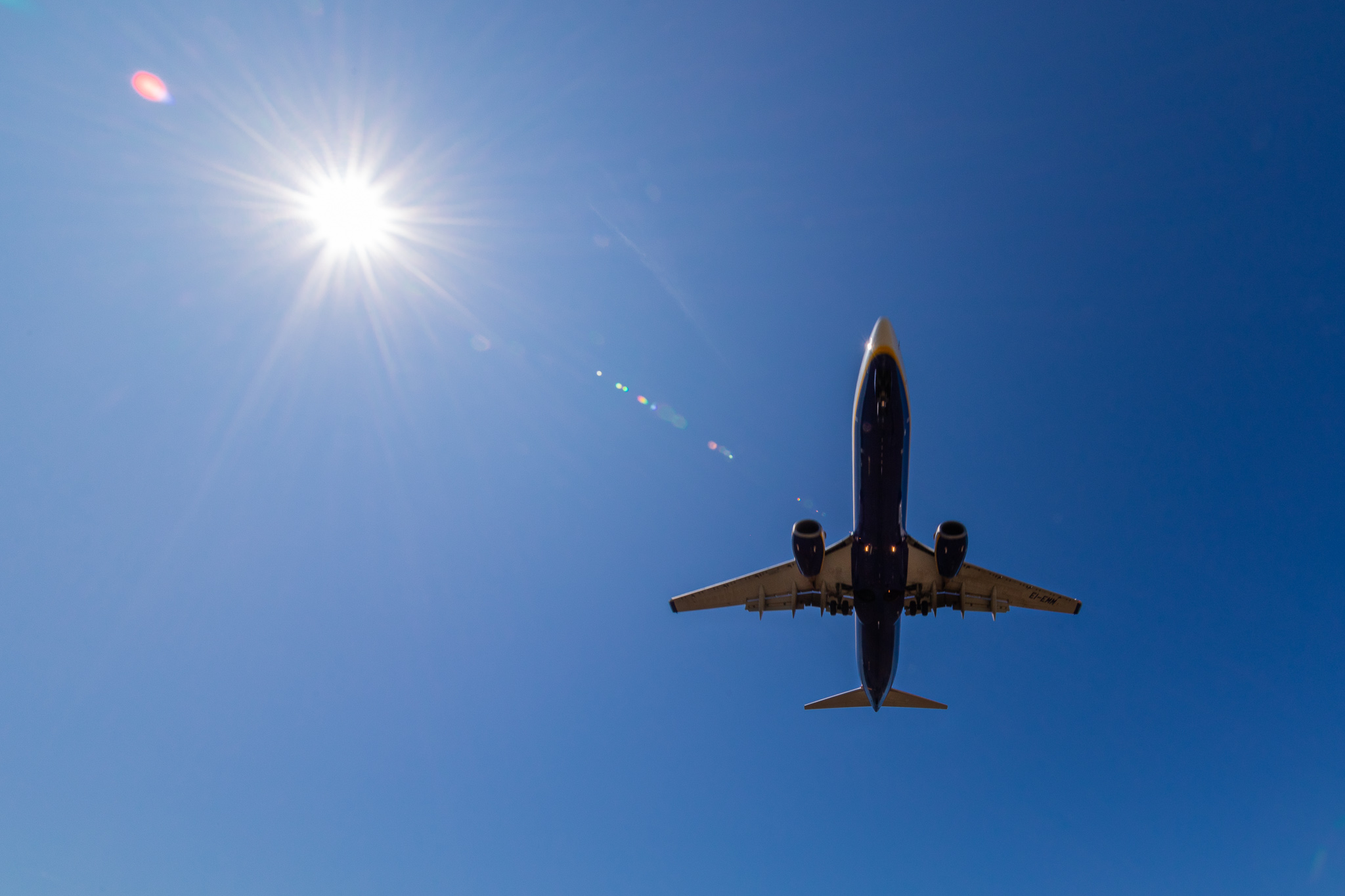
Learning Curves
In the week running up to my trip I received a message from a friend, he was parting with his recently purchased Irix 11mm F/4 in order to avail himself of a Canon 11-24mm f/4L. This raised a number of difficult questions for me, which I ignored. I’ve followed the progress of the 11mm Irix lens with interest over the last few years. When I first came across this lens it existed as an unseen prototype, and then as a dummy chassis behind glass. Each successive photography show brought it closer to reality until it went on sale, at which point I decided I couldn’t afford/justify it. This one was secondhand, in great condition, and hitting the market just as I was due to start photographing interiors for a new client. The widest lens I have is the canon 16-35mm, which is great for loads of stuff, but stuggles with small spaces. This trip would be a great chance to get to grips withe the new lens. Done deal.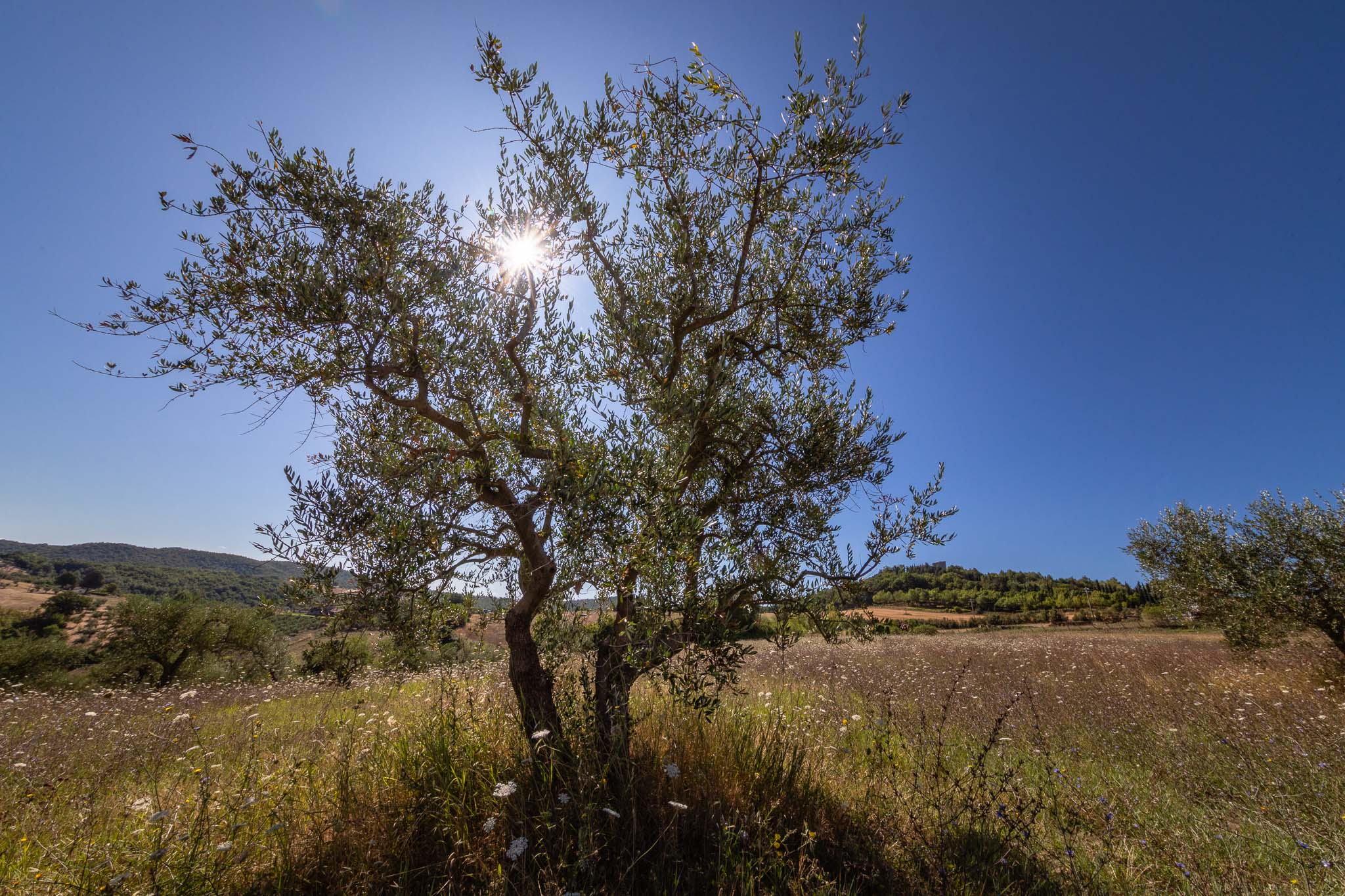

Unforgivingly wide
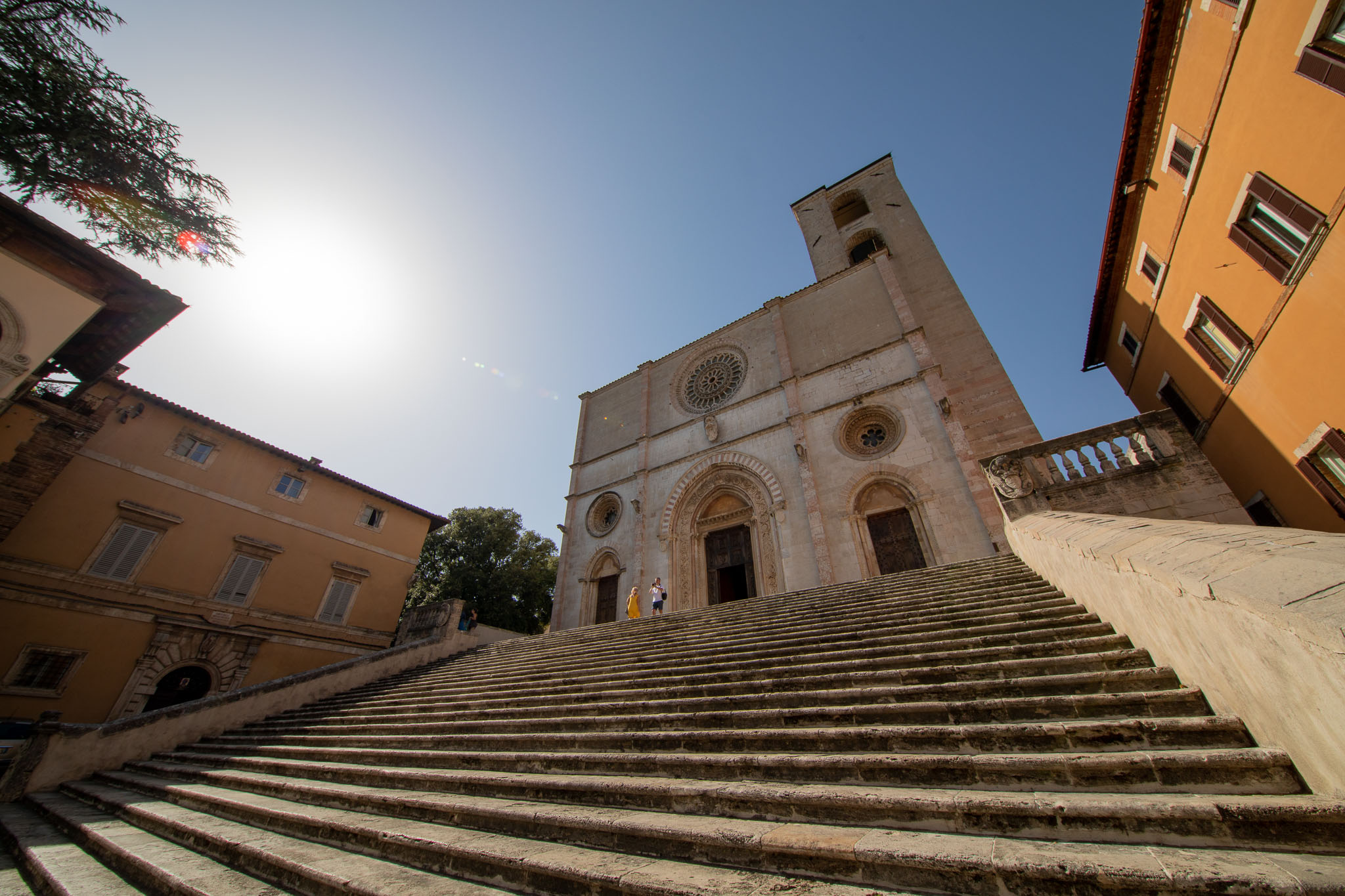
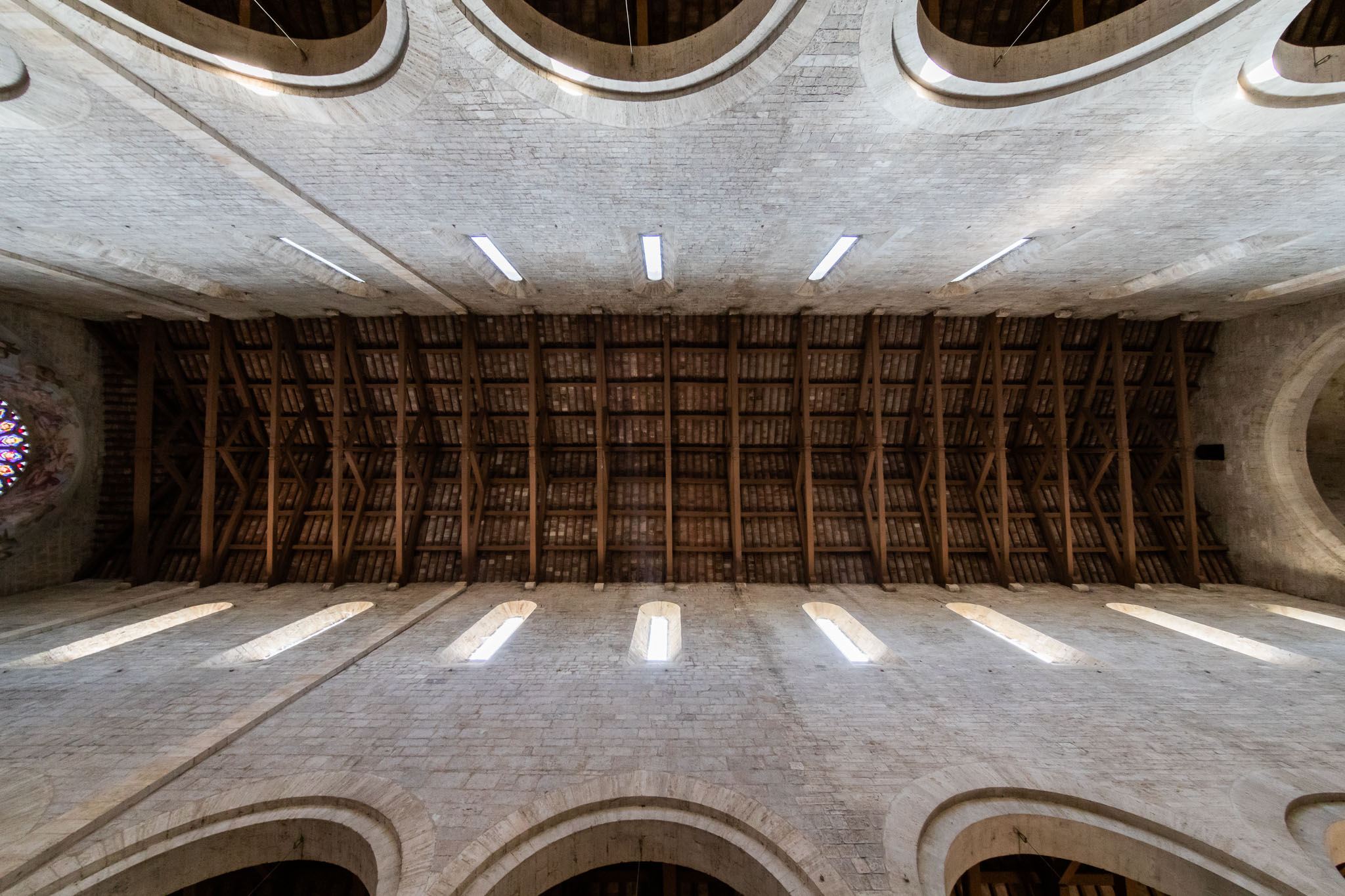
To clarify, the 11mm is seriously, massively, and unforgivingly wide. It’s hard to explain how much of the world forces its way into your viewfinder when you mount this for the first time, or how small everything looks once it’s in there. In my first experiments I was always too far from my subjects. I would set up only to find that the world had climbed into my camera and left my subject a small detail, over-powered by the periphery. In the shots above I had to very nearly climb the olive tree in order to fill the frame with it, likewise I was nearly in the pool. The lens is aspherical, rendering straight lines at the edges, as opposed to a fisheye which has a characteristic circular distorion. Provided you pay attention to the the focal plane’s relationship with your subject you can retain verticality. Once you veer away from a parallel engagement things get pretty funky pretty quickly, but then it is bending light around a pretty tight corner.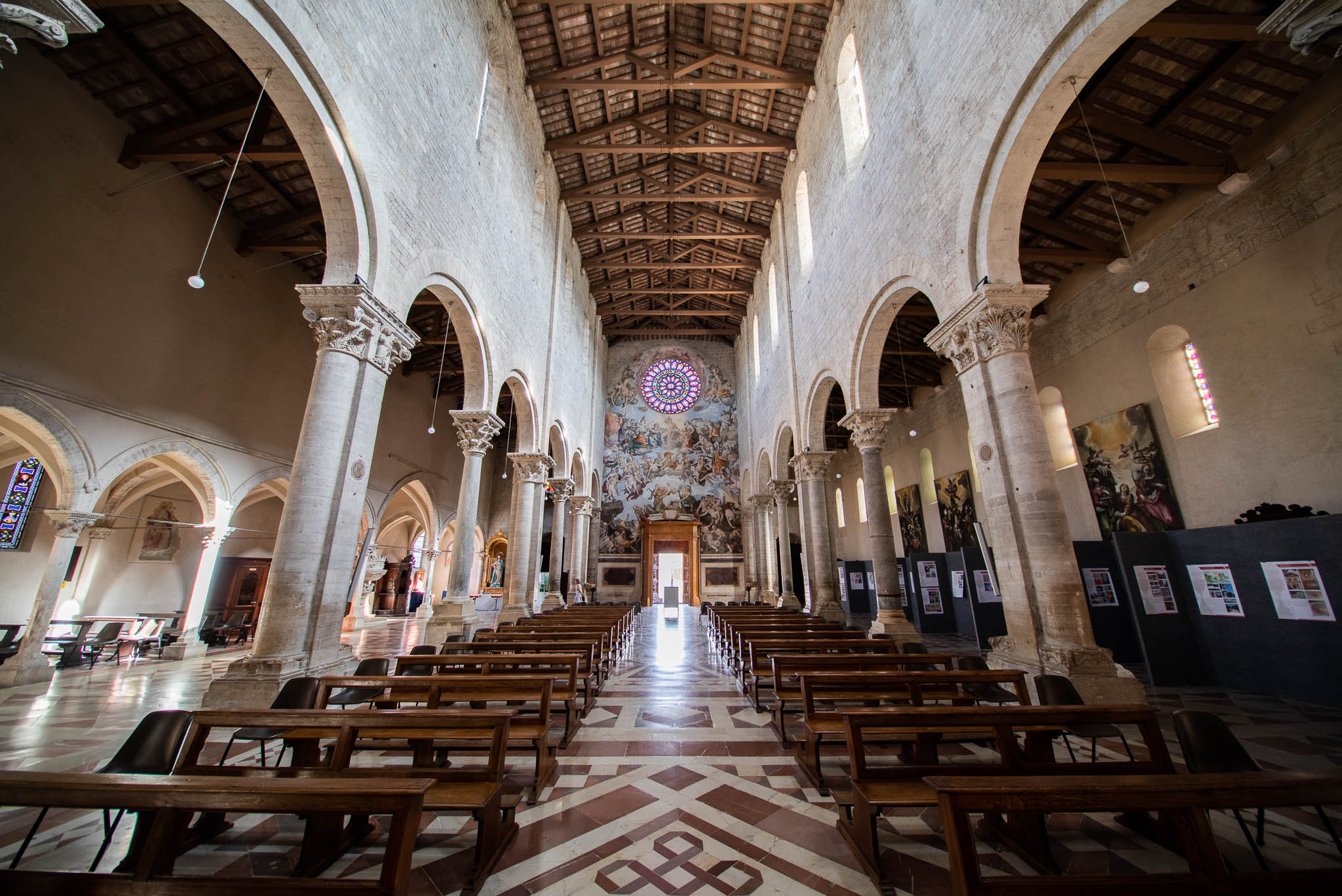
Woodyard Reportage
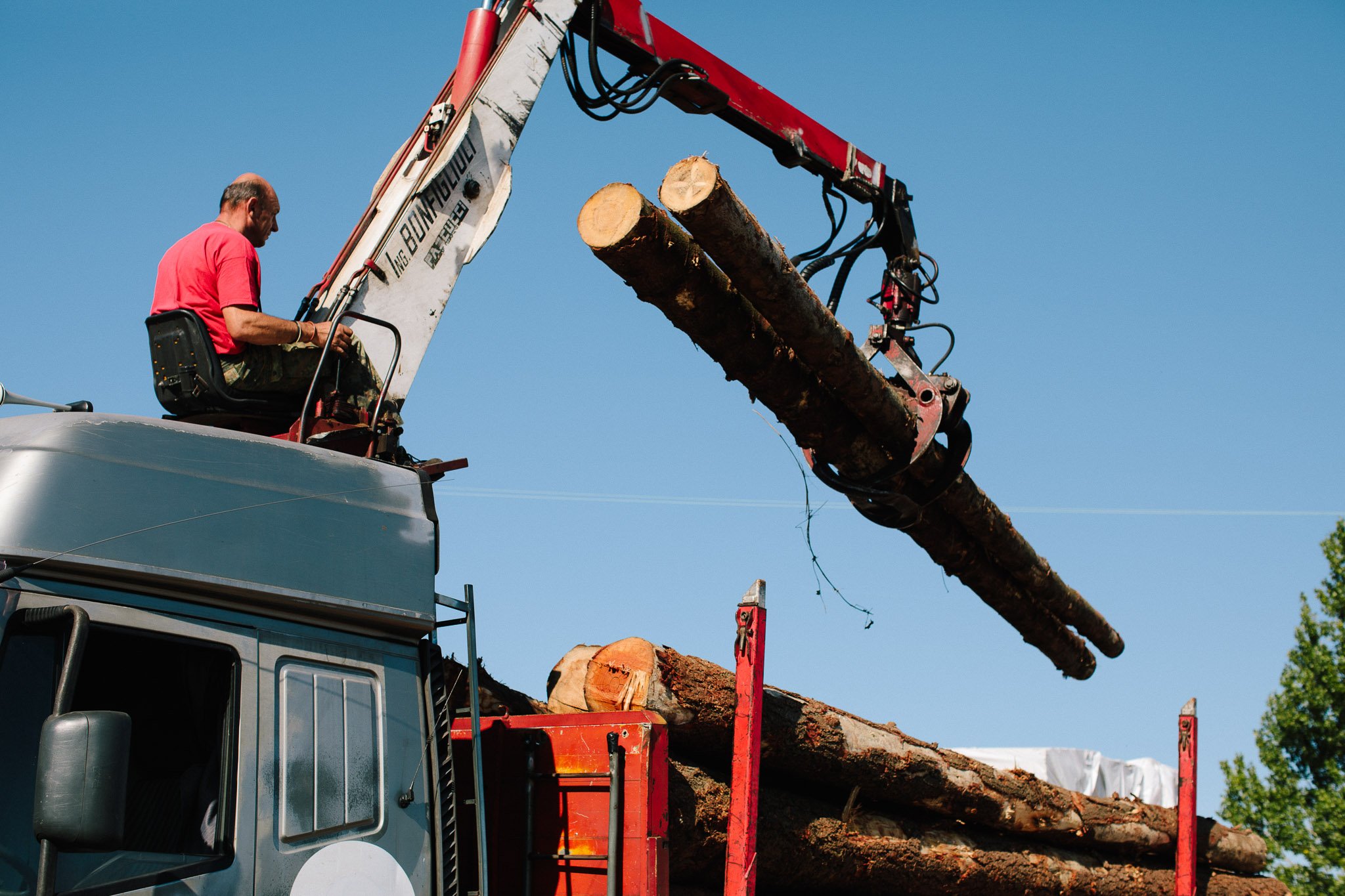
The shoot at the cheesemakers’ fell through. They were due to have some building work done and weren’t making cheese for the duration of my visit. I was crestfallen. I had built up the shoot in my mind for a year, and mourned the photographs that I was not going to take. Everything else paled in comparison. I was left with a load-out that could tackle almost anything and I had no idea what to point it at. I was craving a story, some access to something that would fill the gap left by the cancelled shoot. My father-in-law kindly set me up with a brief spell in the local lumberyard and I joined them early one morning, it was already hot.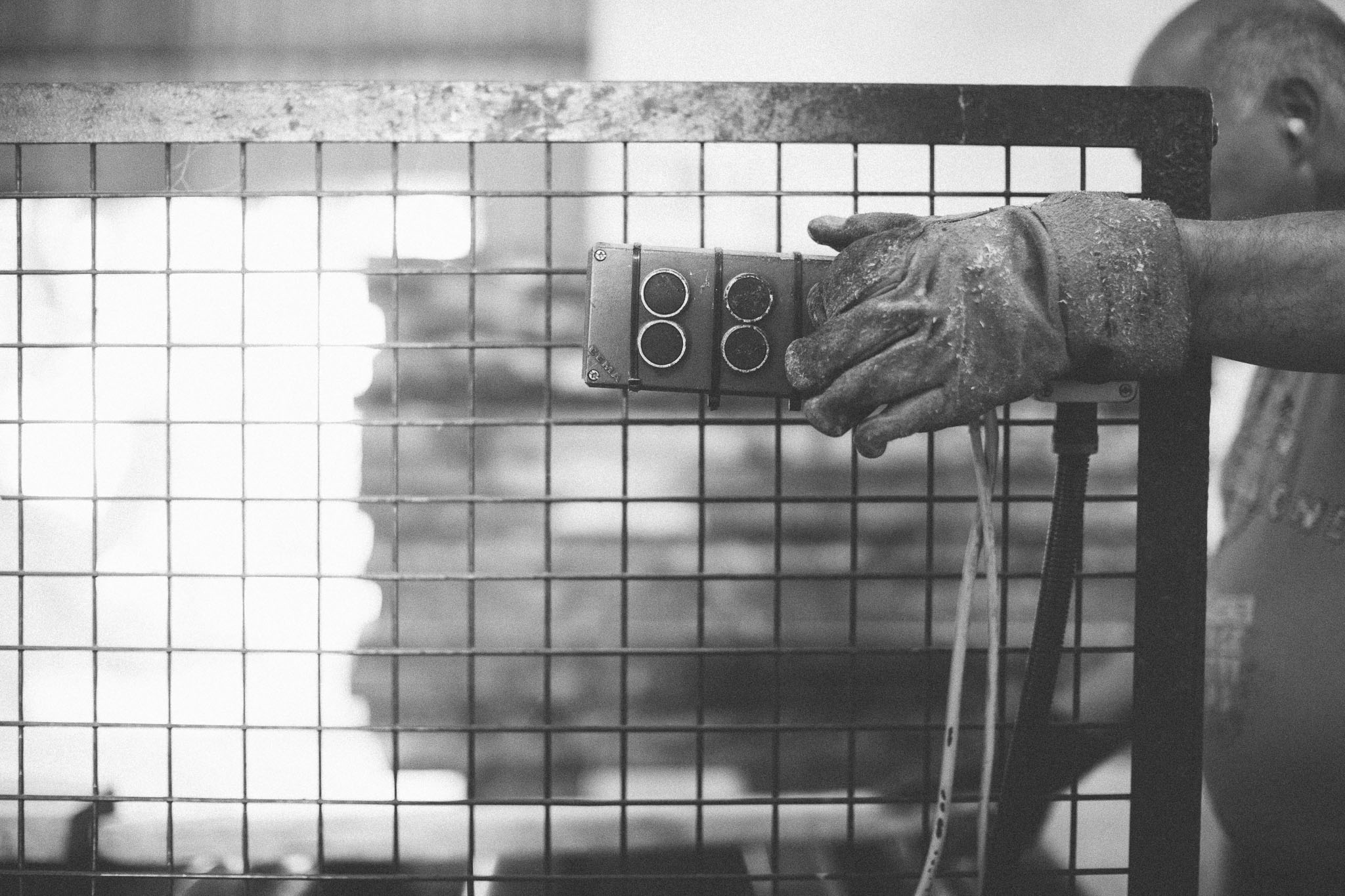
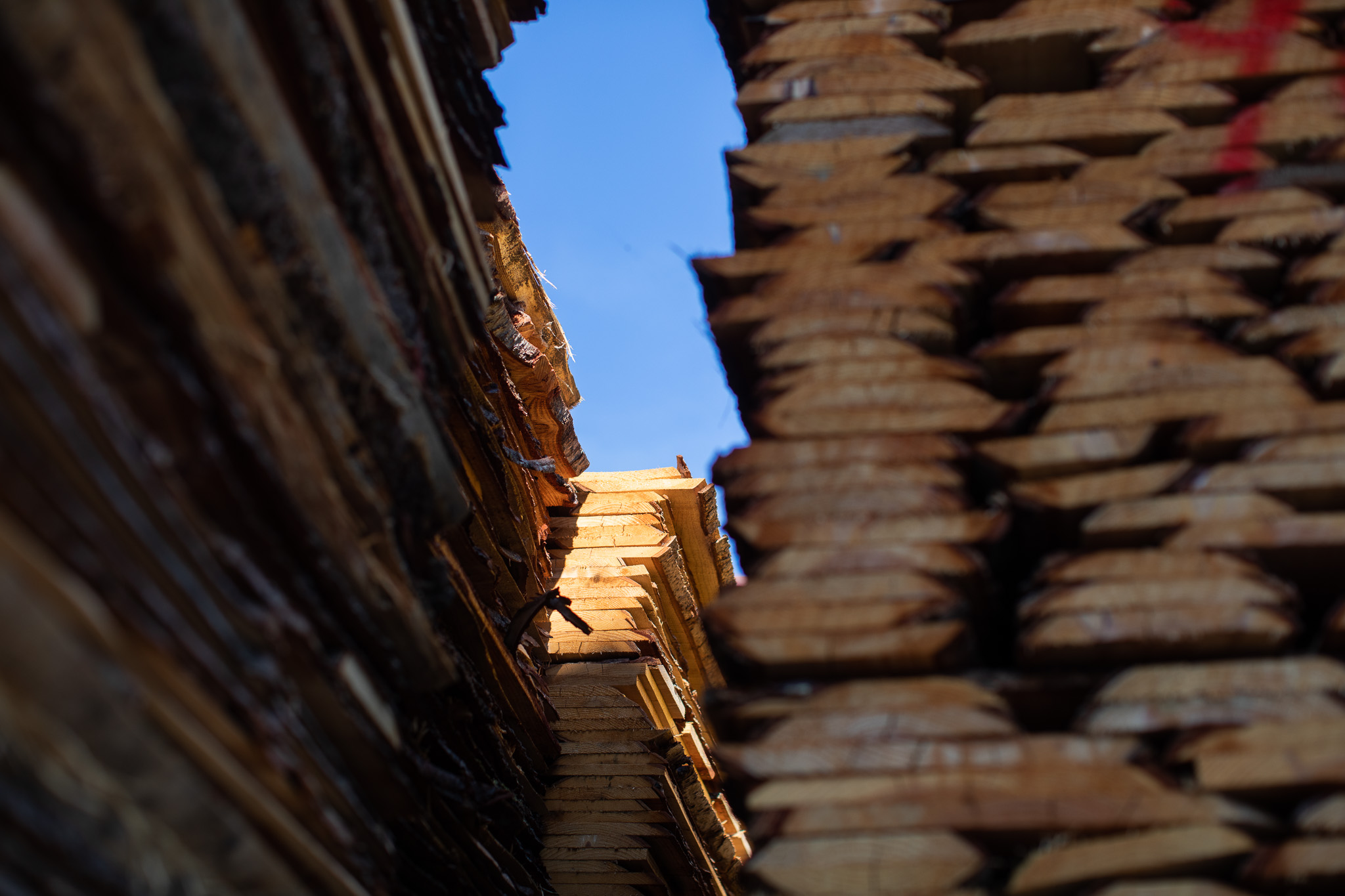
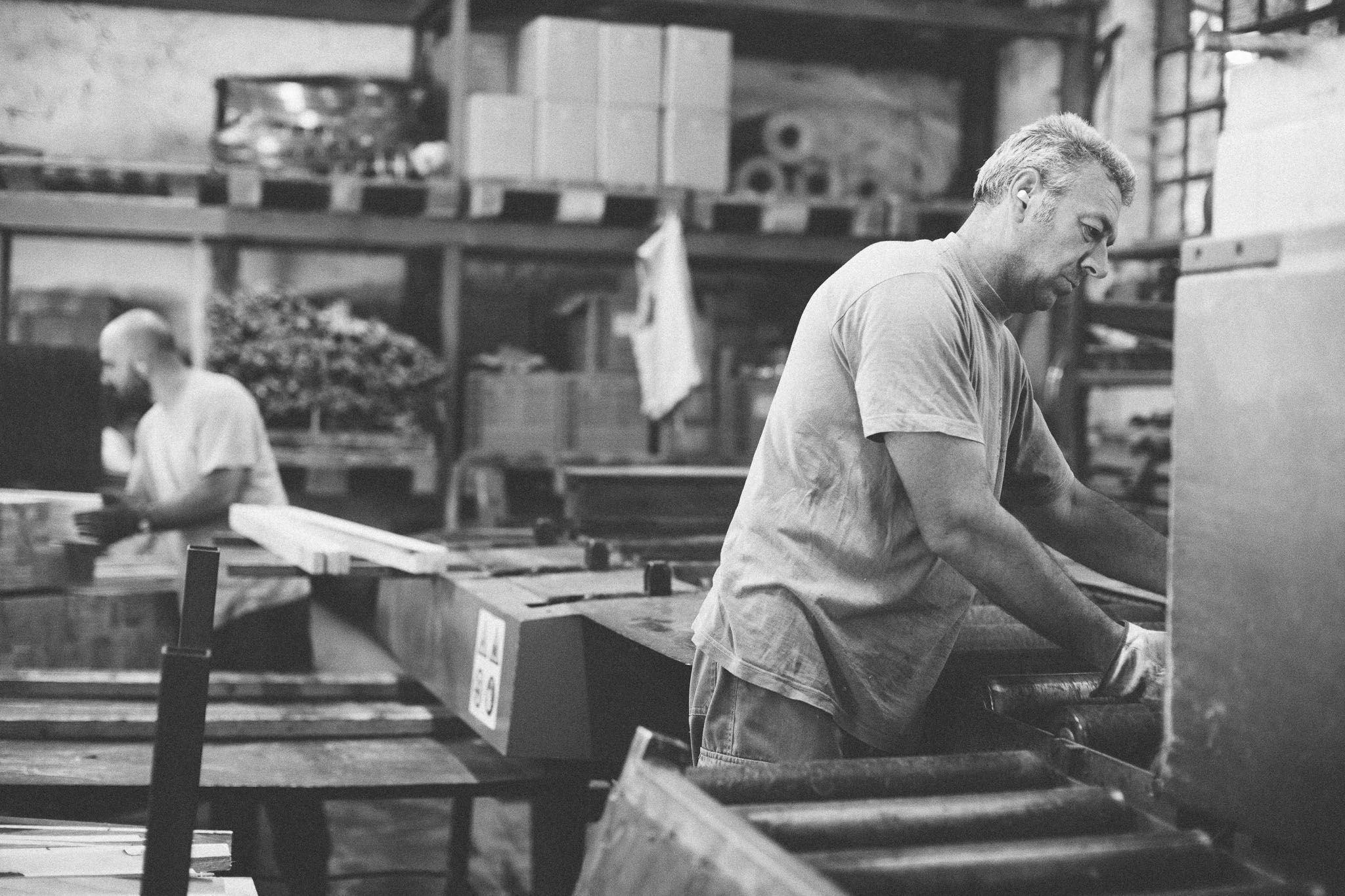
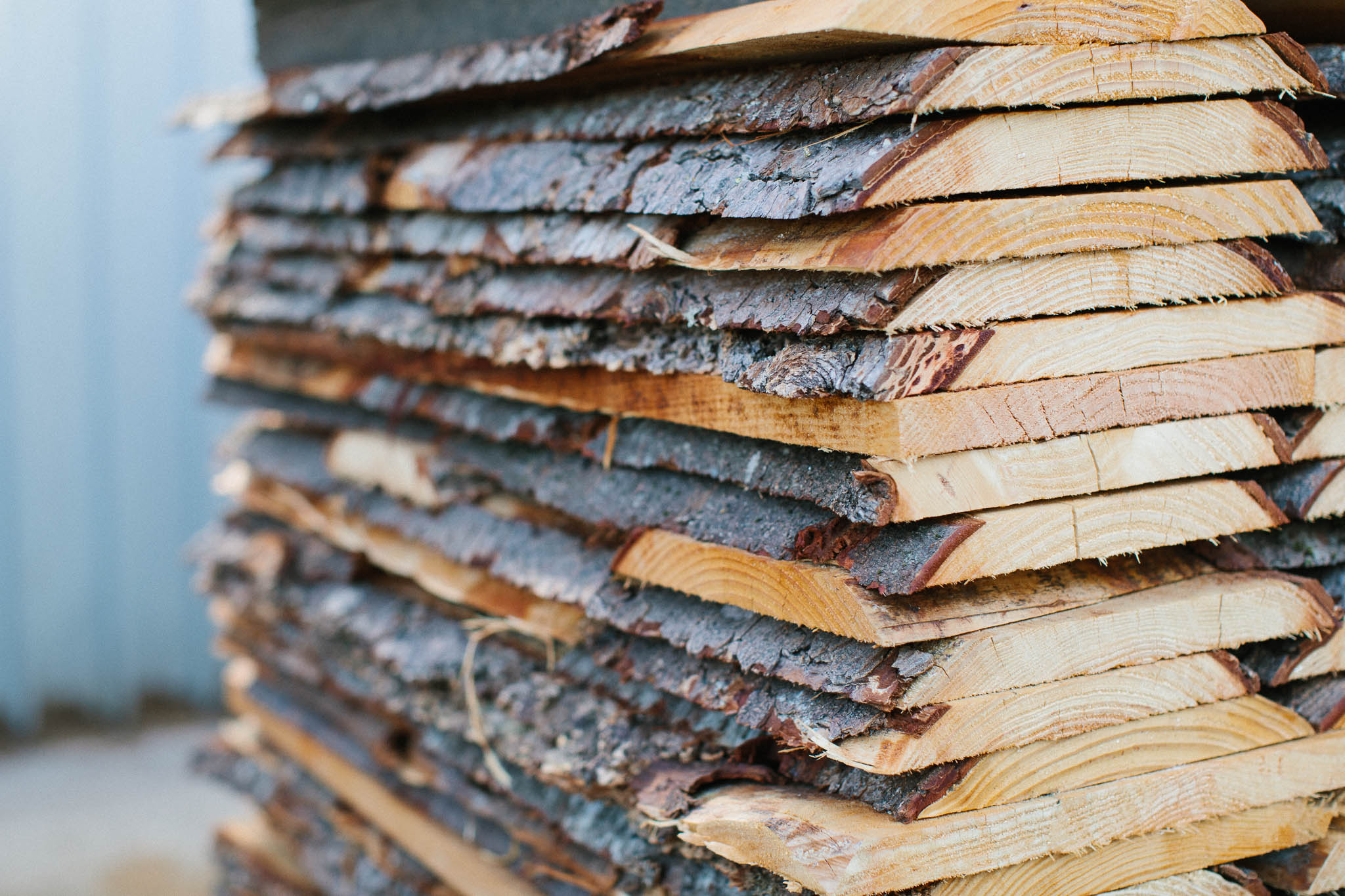
Photographing the guys was difficult, it was a noisy and dusty environment, with little opportunity to talk. My Italian is weaker than it should be and, combined with the noise and focus required for their work, it was hard to forge any kind of connection.
Then there was a general confusion as to why I was there. Which makes sense: you get to work and a tourist starts photographing you at your desk, you’re going to wonder why.
They were also concerned as to whether my photos could aid their competition, I agreed to limit my photography of the machines. These caveats, coupled with the cancelled shoot meant that my heart wasn’t in it and neither was theirs, understandably so.
The result was not a repeat of the night spent in the bakers, or the morning in the quarry. An inability to make a connection with my subject made it harder to get excited, the heat and the dust felt more pervasive and after an hour or so I was done. I’m was glad I got to shoot it and liked a number of the pictures, but it felt like I was still missing the valid/relevant work that I try to make on these trips.
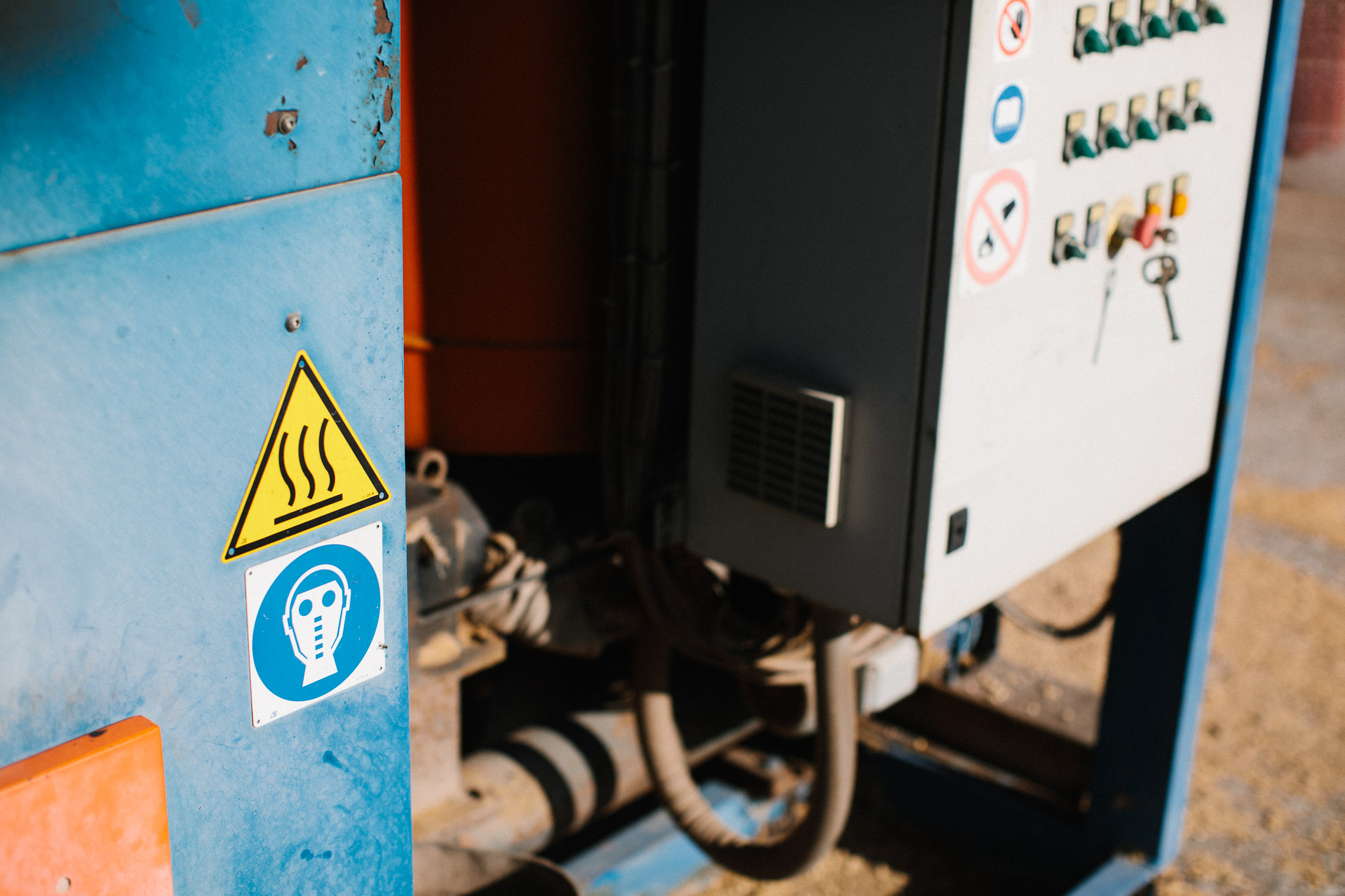
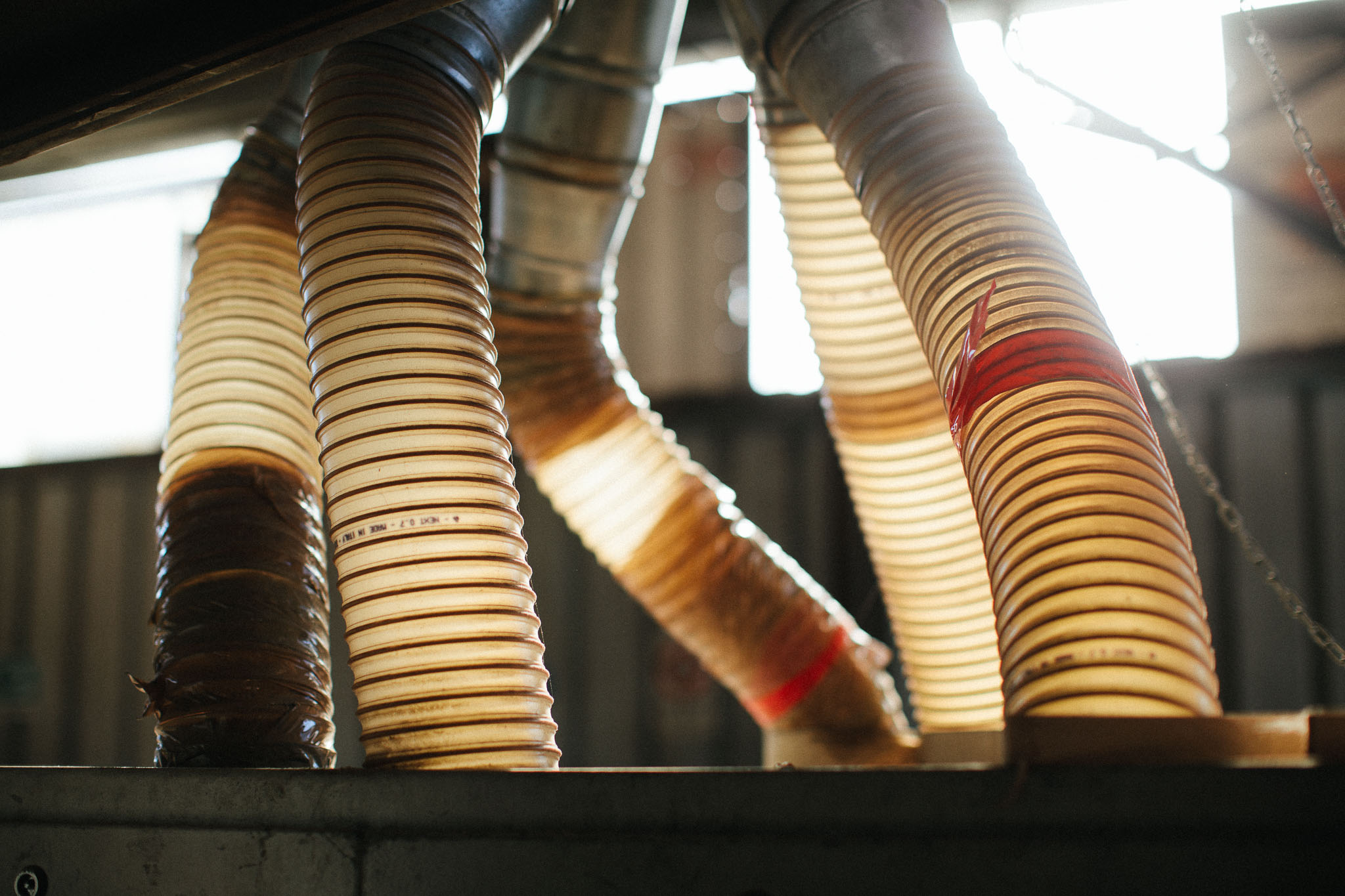
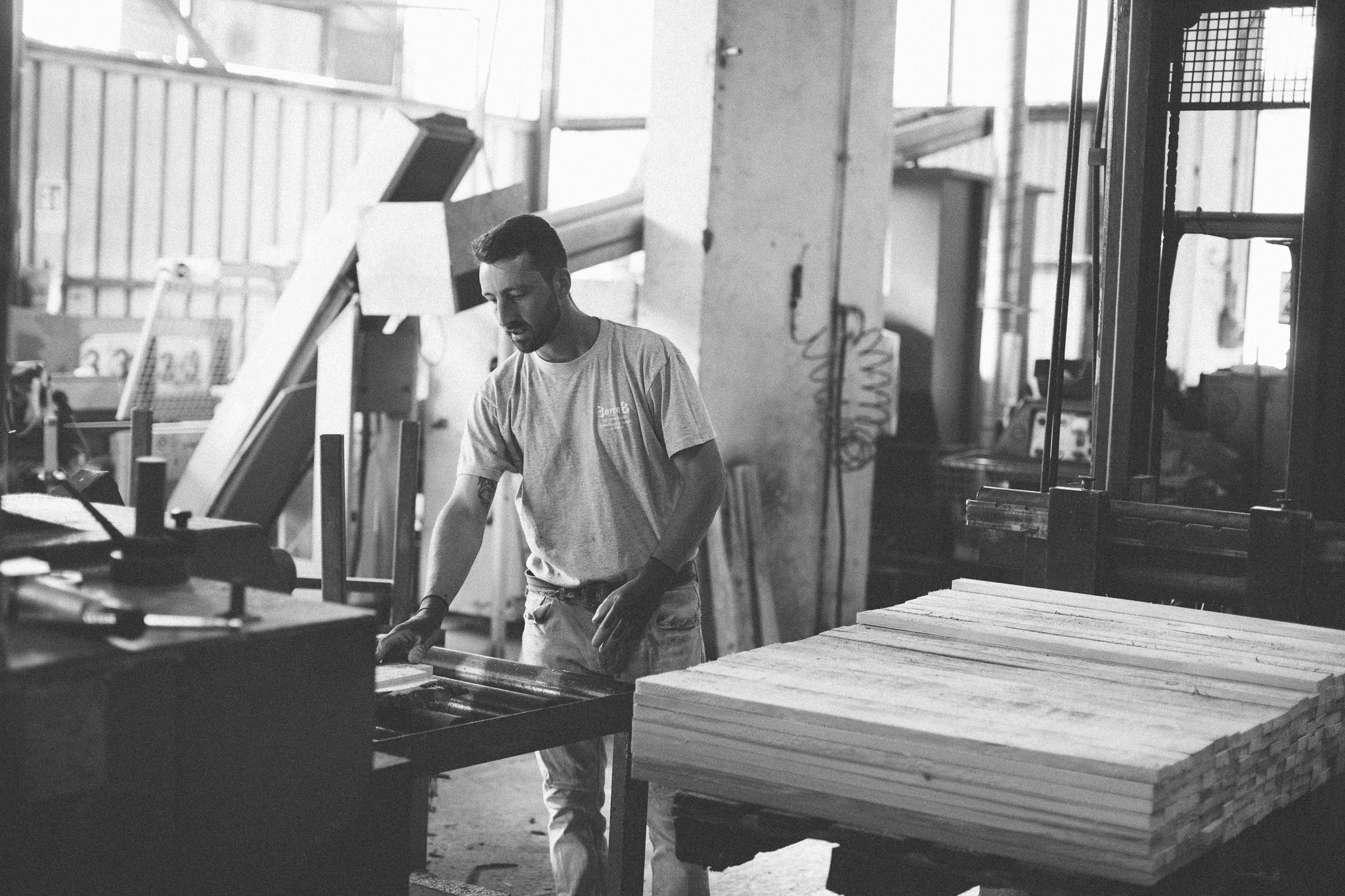
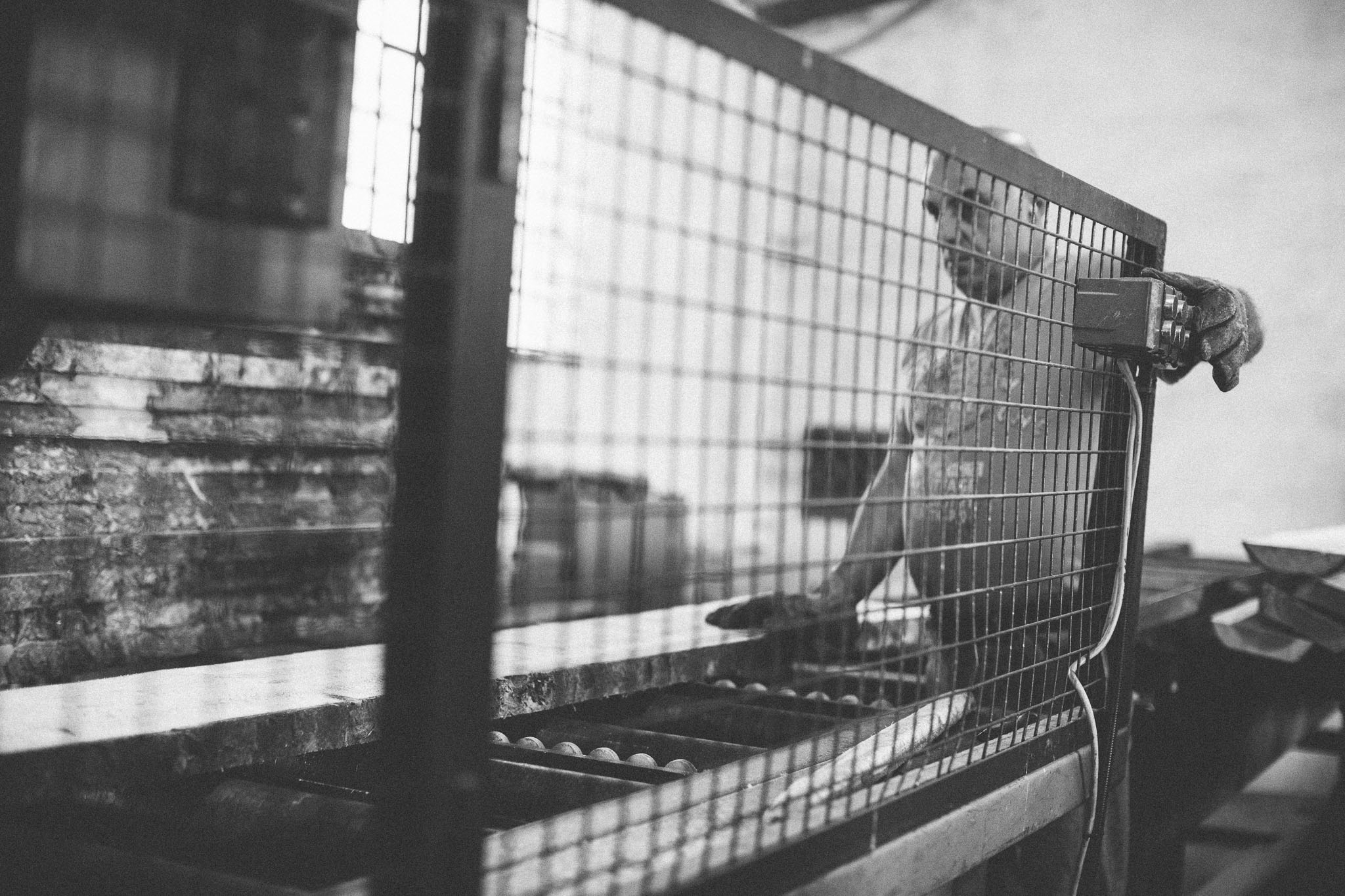
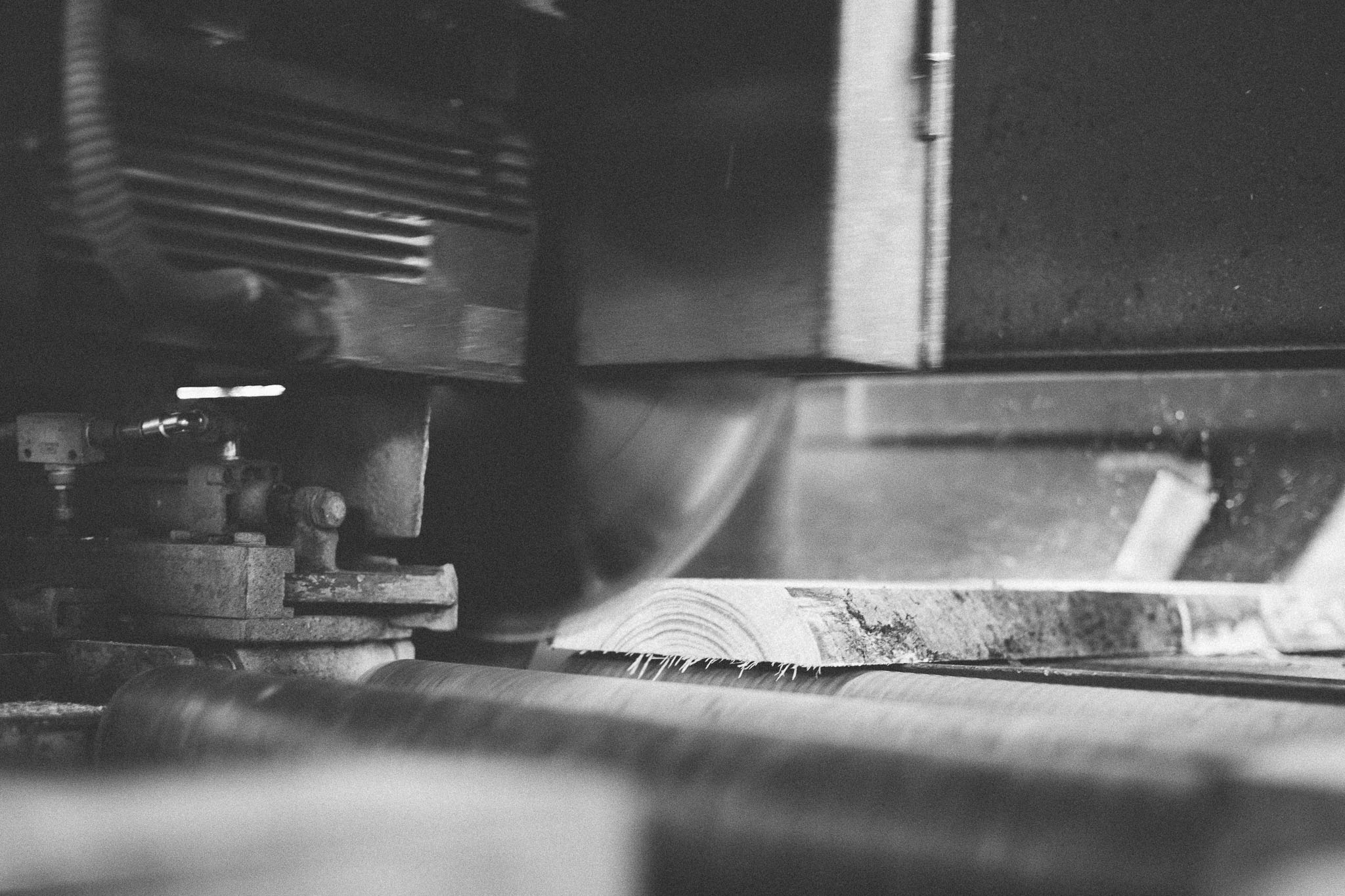
#sticksandfilters
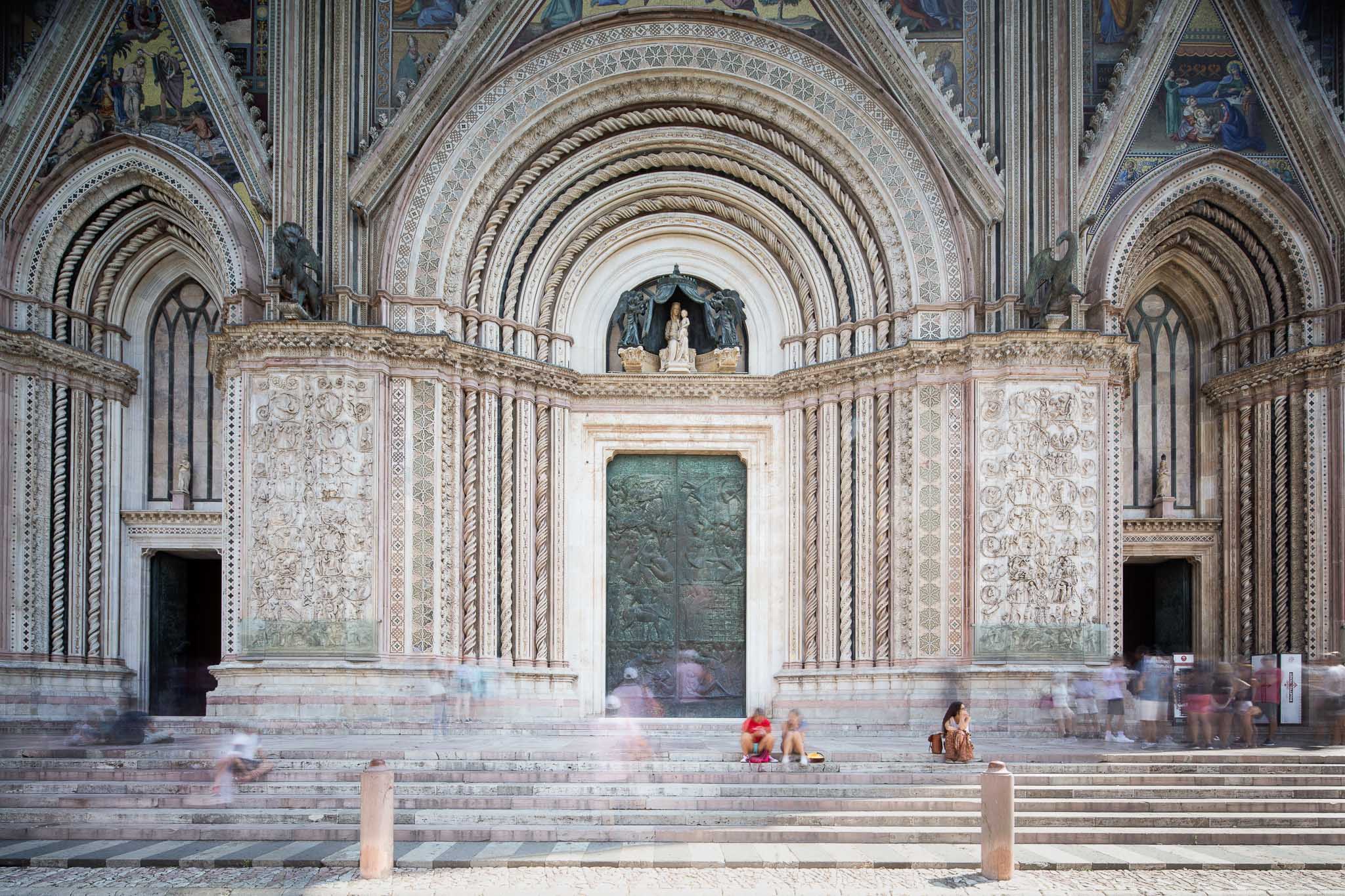
I don’t do a huge amount of work with a tripod and filters in my general professional practice. As such the use of #sticksandfilters has come to represent work that is personal, or at least differently paced than my usual ‘run and gun’ style. (I also secretly hoped to christnen the 15 stop Super-Stopper I bought in March and have yet to use). Alongside this I planned to try some astrophotography with the 11mm as the sky around that part of Umbria, while not devoid of light pollution is pretty dark. Neither opportunity presented itself, but I did get to play with both in Orvieto. The facade of the Duomo di Orvieto (the cathedral) is remarkable. I’ve photographed it many times, and now bring people who’ve yet to see it via a special route in order to maximise its impact. Each time I photograph it I fail in some way which means I can keep coming back to it. This time I photographed the lower section with the 17mm tilt-shift that I love more than is reasonable.
This year I wanted a populated space, one that includes the tourists who mingle alongside locals, chatting and sitting in the shade. I also wanted the movement, the speed of the lives lived in the monument’s shadow to be captured.
I used my little-stopper, also purchased in March, to extend my shutterspeed to 60 seconds, thus retaining some detail in the characters who passed in front of the camera, but blurring everyone enough to emphasise the stalwart and stoic nature of the facade in the face of our brief lives.
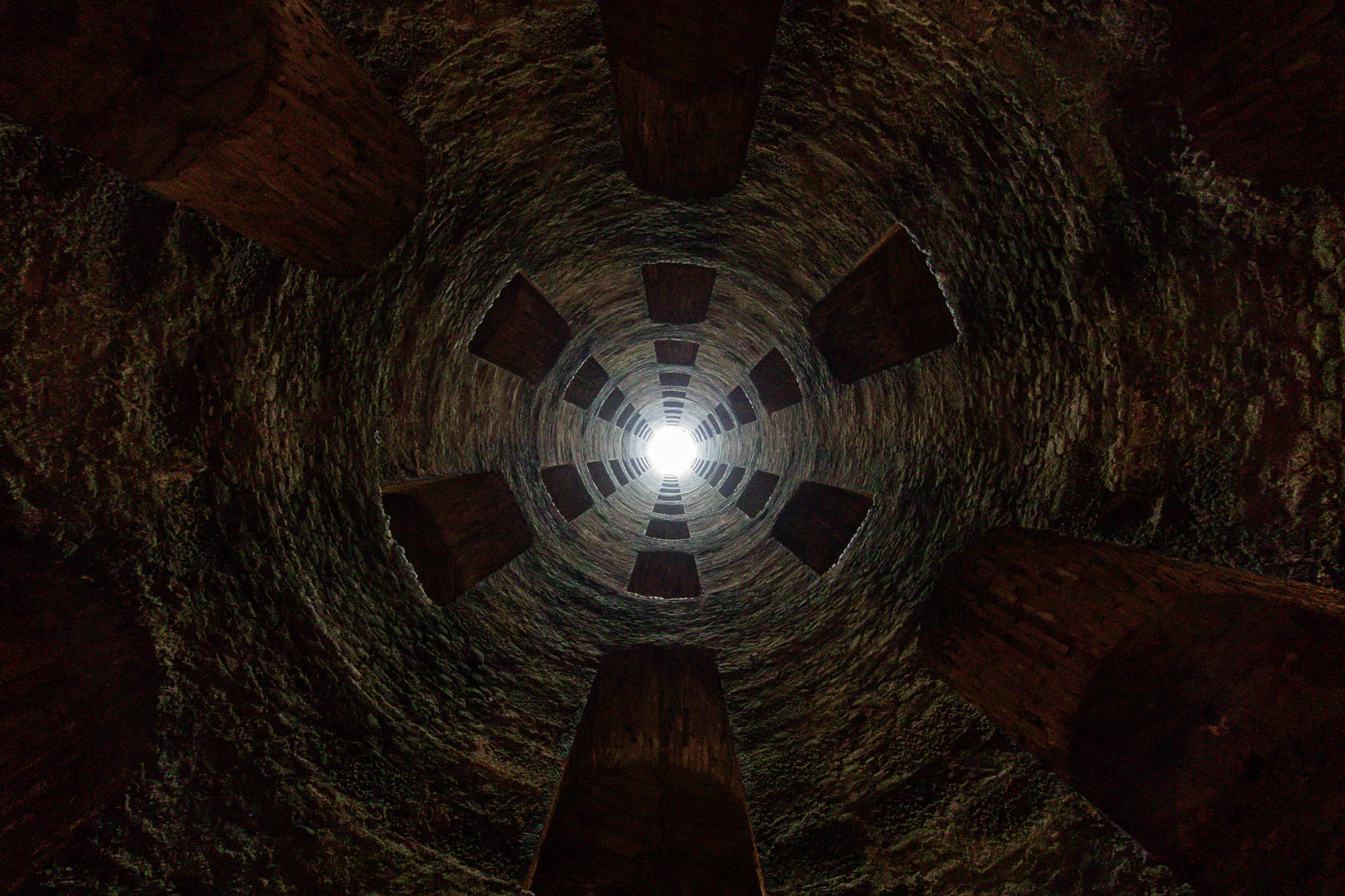
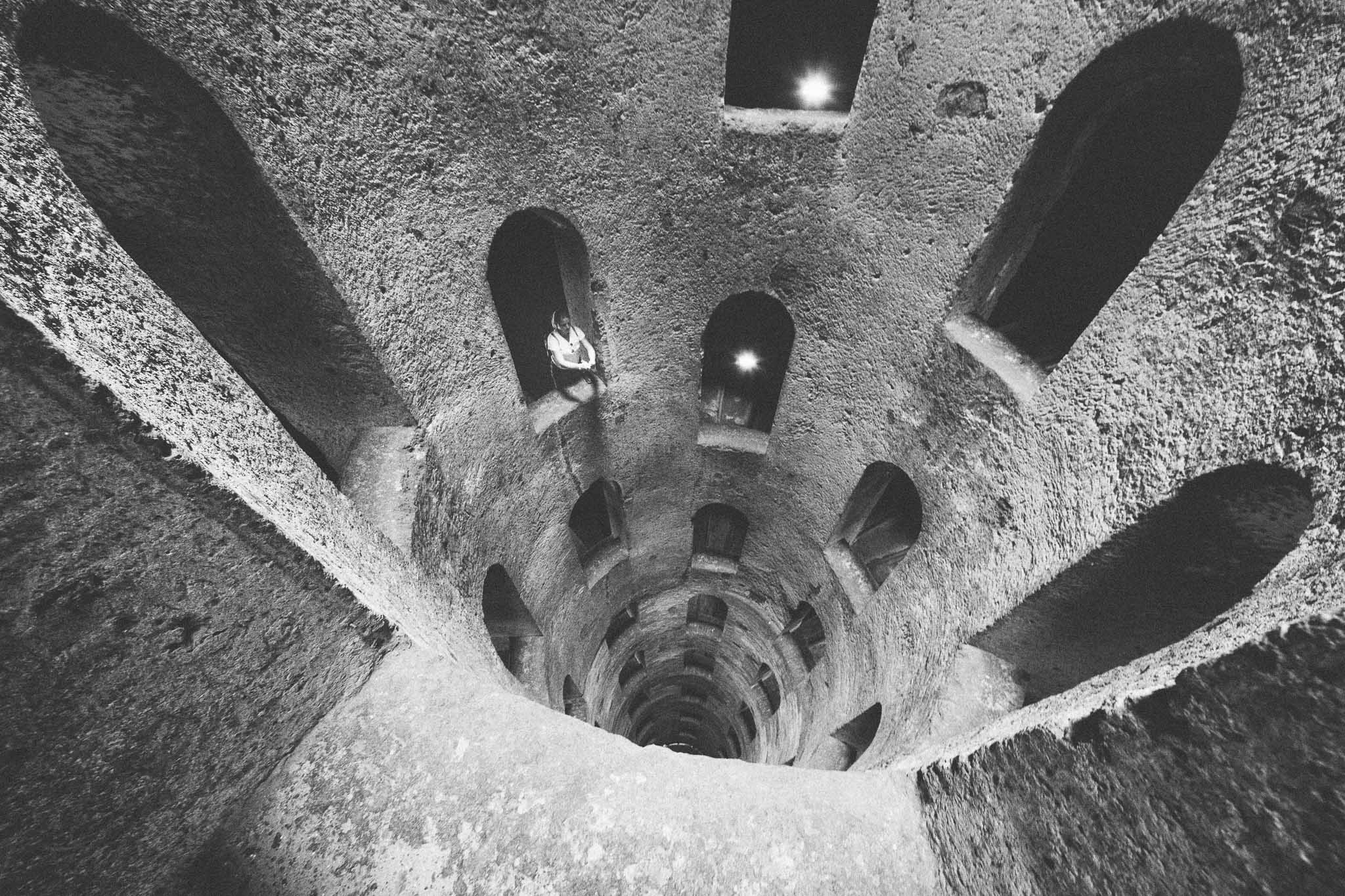
Once our party had had coffee, cake and icecream it was time to head underground. The Pozzo San Patrizio (Well of St. Patrick) is over 50m deep. Constructed in the 1500s by Antonio da Sangallo the Younger of Florence, it was intended to secure the city’s water supply in the event of a seige.
The central shaft is surrounded by two staircases that run in a double helix. This meant that mules could be lead down to the water, across a bridge and through a second door, and then be led laden up to the surface without meeting other mules on their way down.
The air gets cooler and stickier as you descend the stairs toards the water’s surface. I had not taken my tripod, assuming that I would be barred from entering with it, and found that I could have taken it in had I wanted. The resultant handheld, live-view shots (trying to reduce mirror-slap) came out well given the light level in the base of the shaft. Maybe next year I’ll take a tripod down, bracket some exposures…
Validity
I had some plans to hook up with pals based out there but didn’t manage it. I had attached too much to the shoot at the cheesemakers’ and struggled to rebound from its cancellation. This left me feeling like I’d failed. I’d looked to the summer adventure as a chance to learn new techniques and generate important personal work. My search for a greater ‘validity’ led me to the lumberyard, to Orvieto, and out with the 11mm. Each of these was a chance for experimentation. Once home, I took some time to review the images and I felt less like I’d dropped the ball.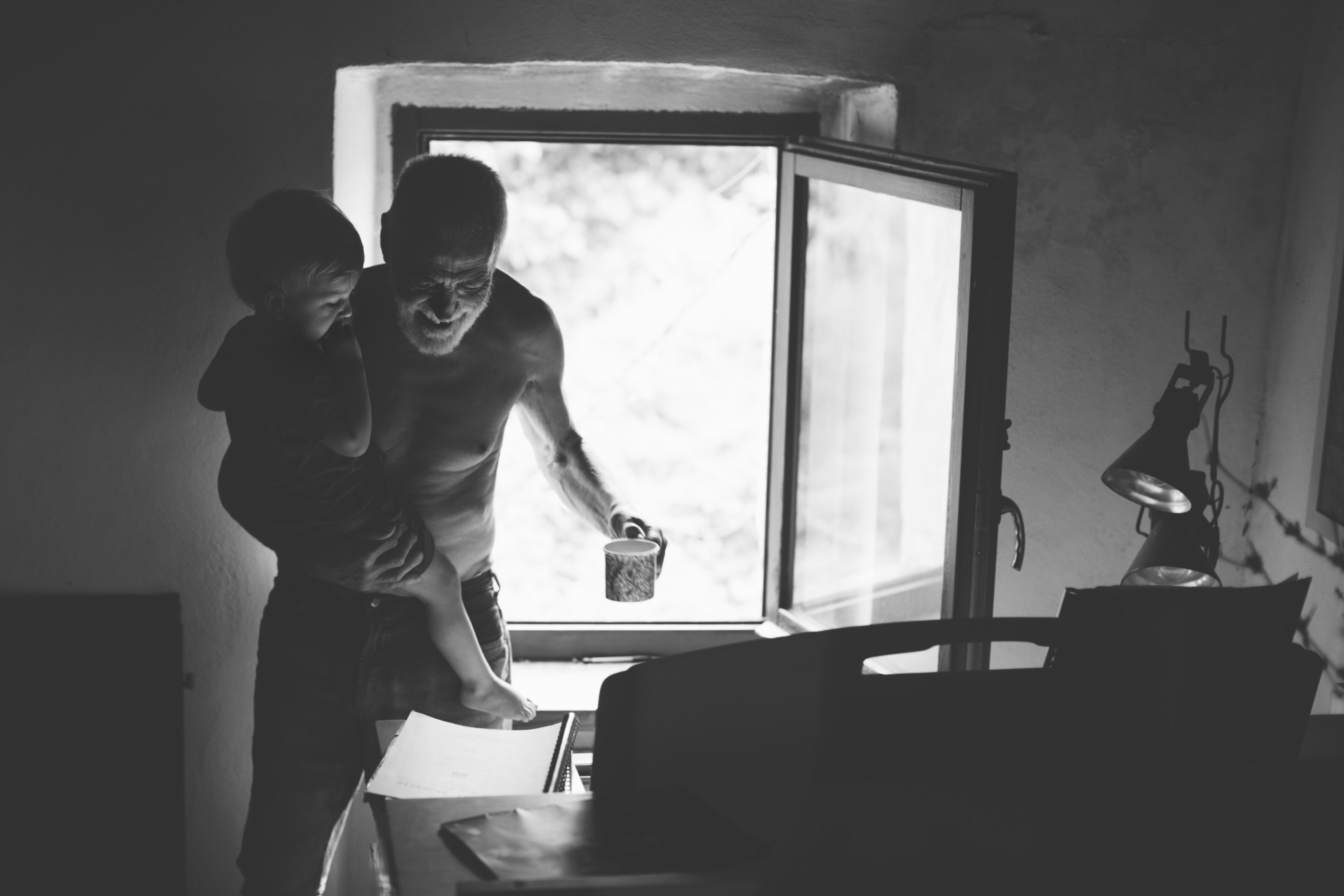
Familial Reportage
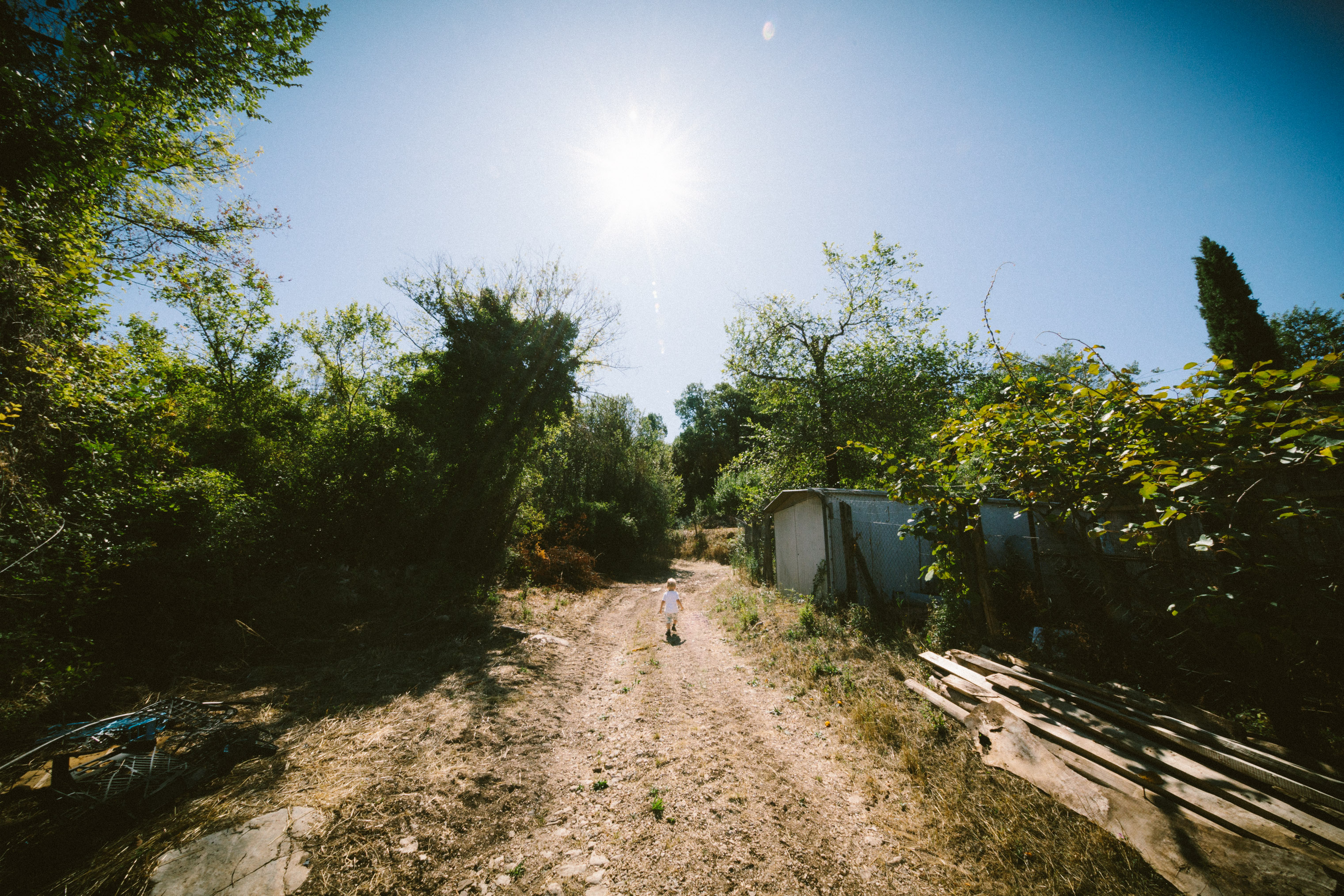
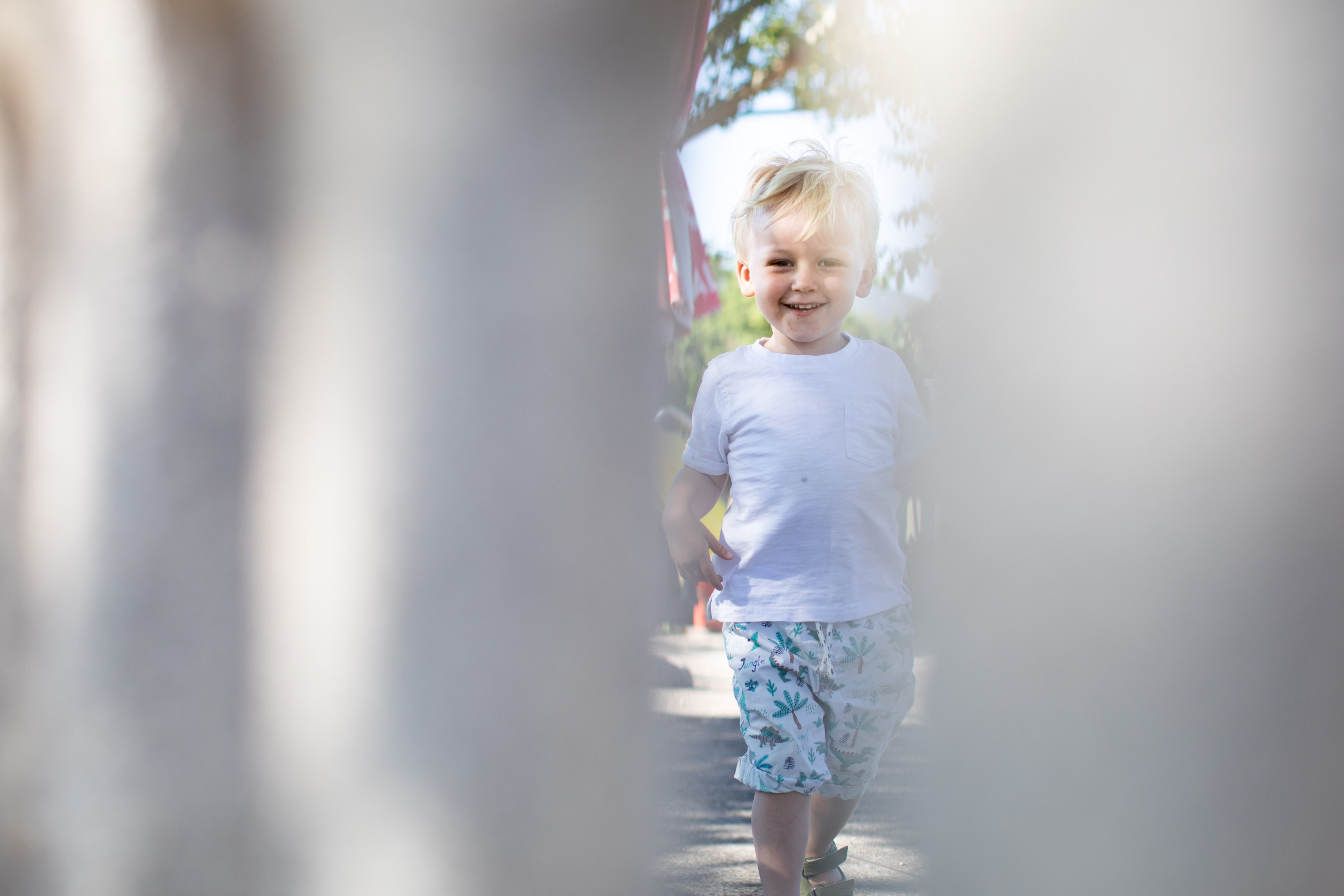
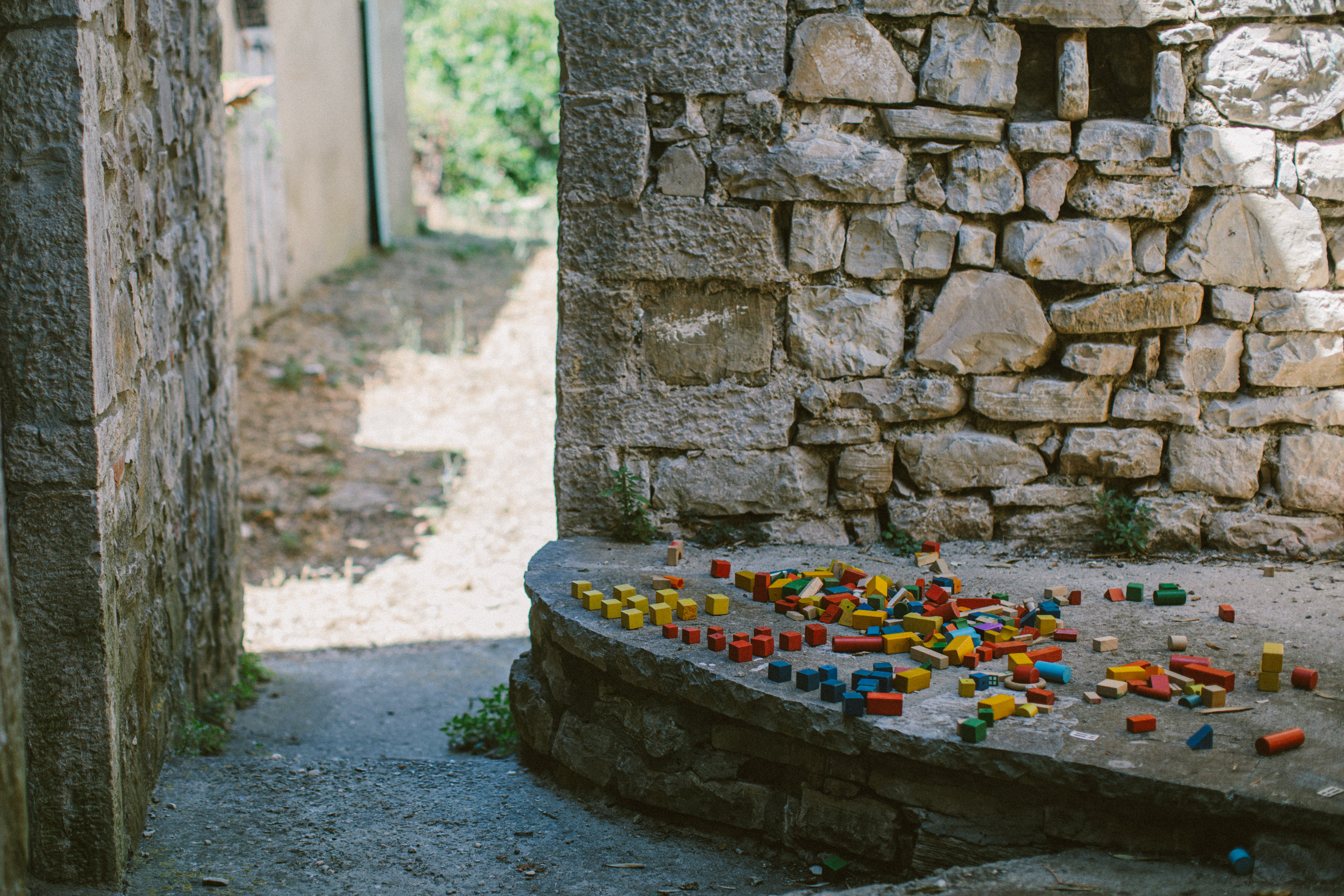
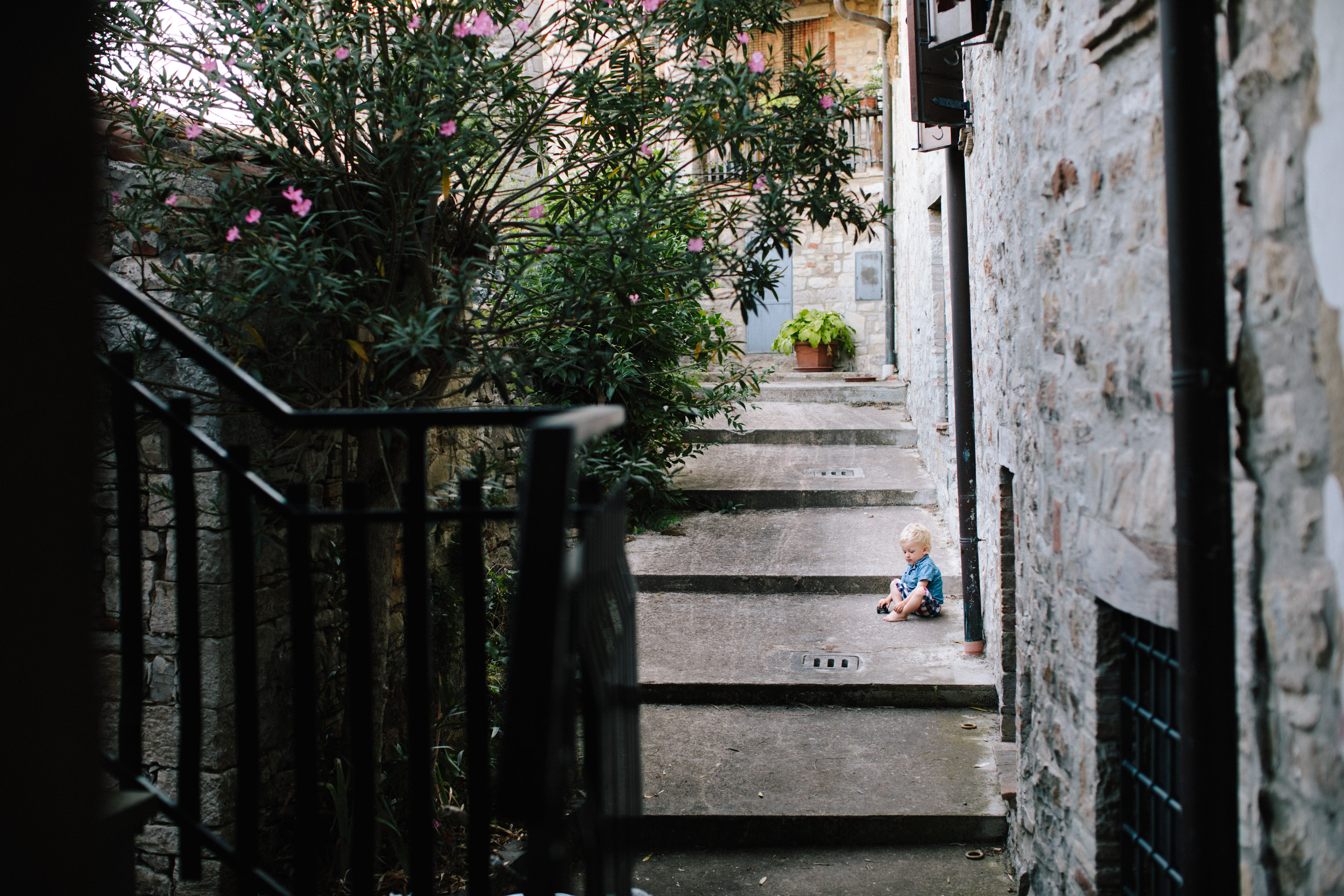
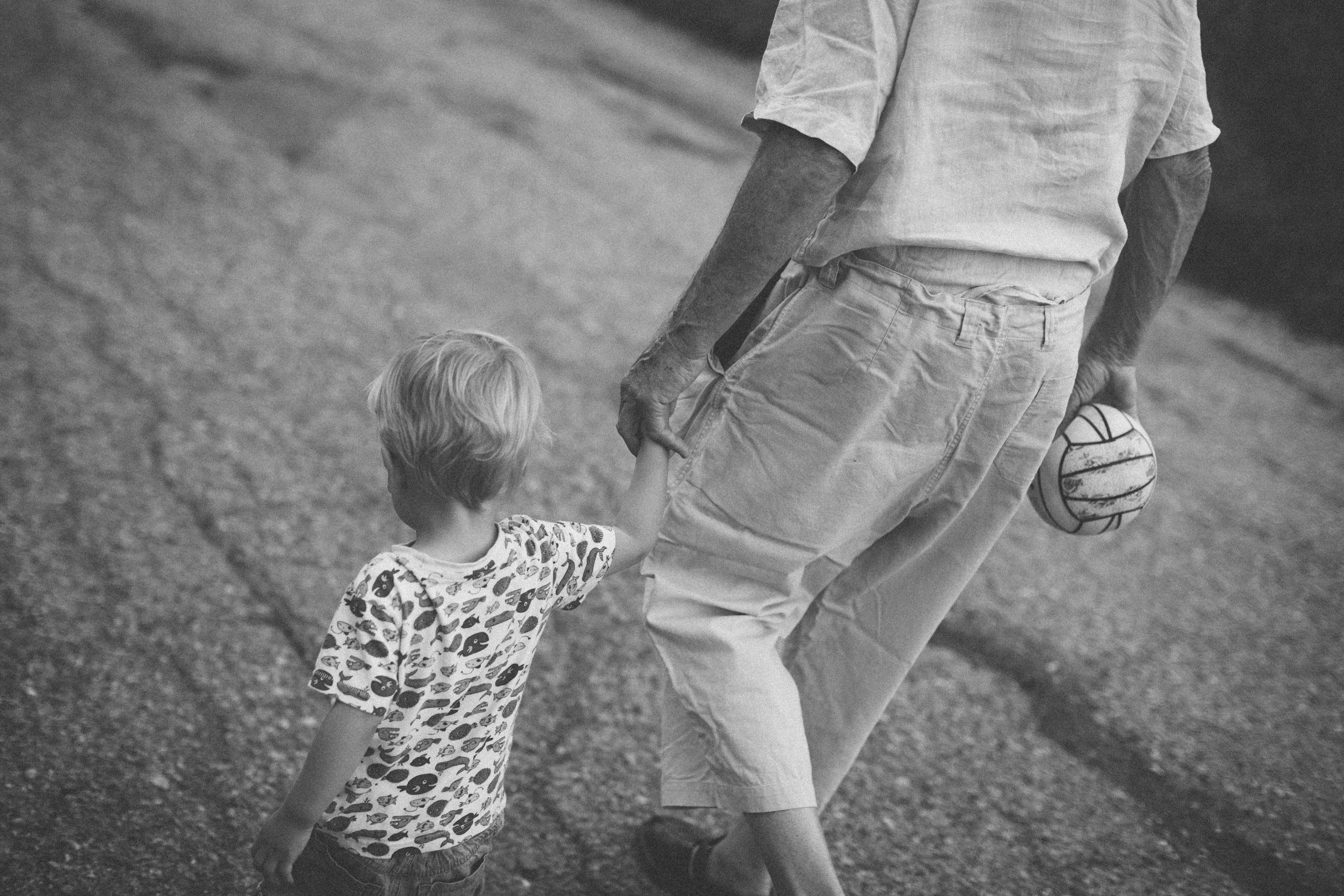
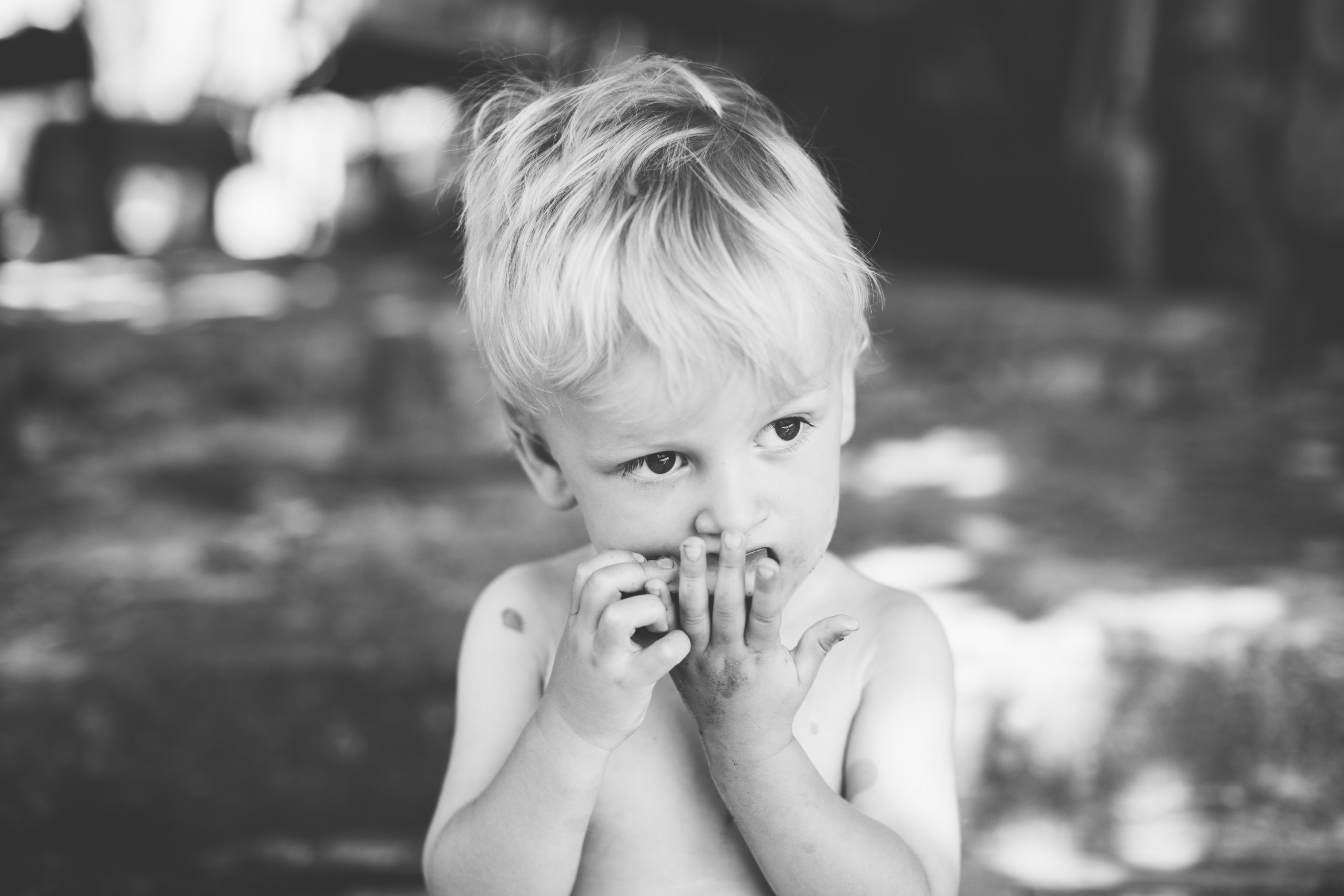
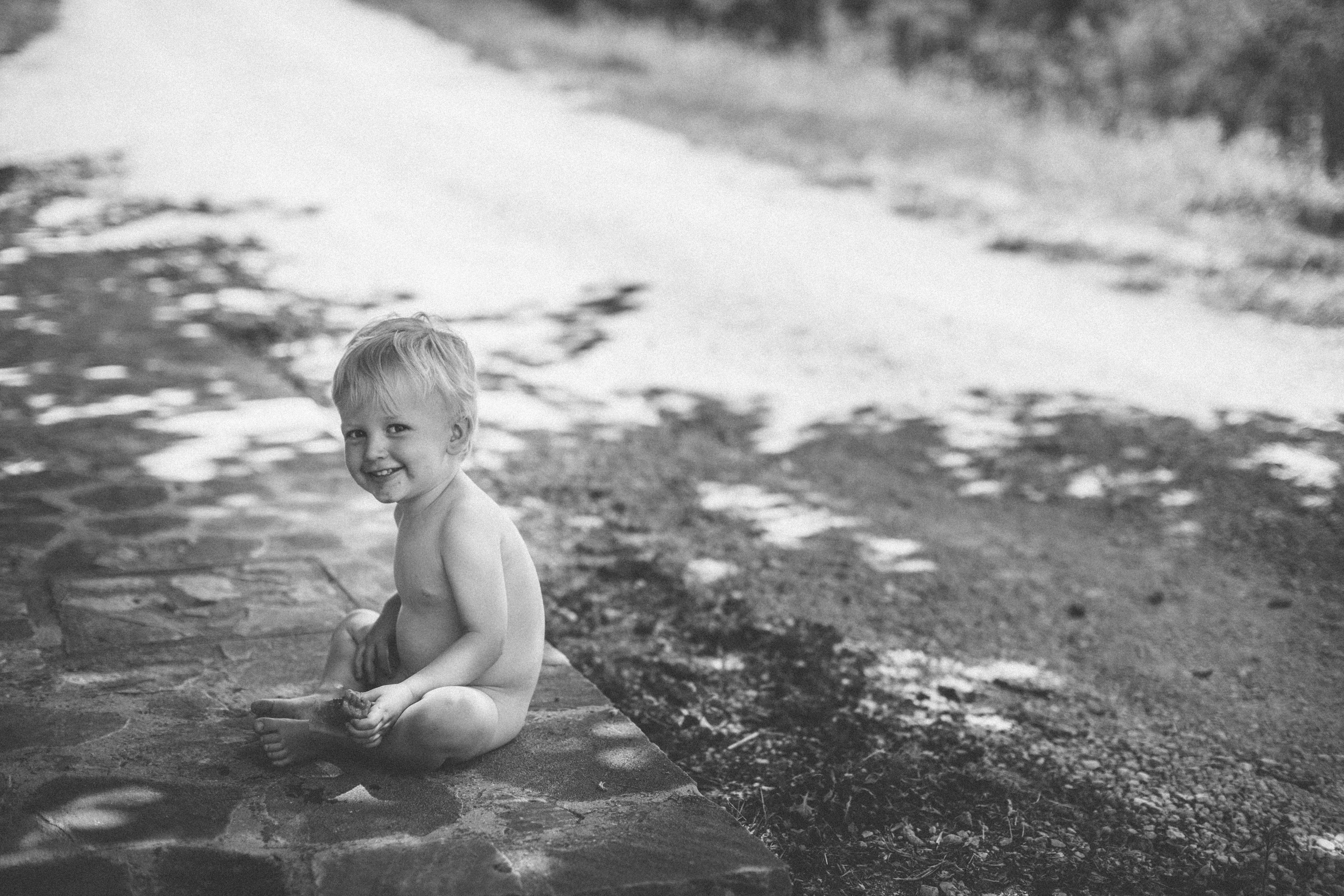
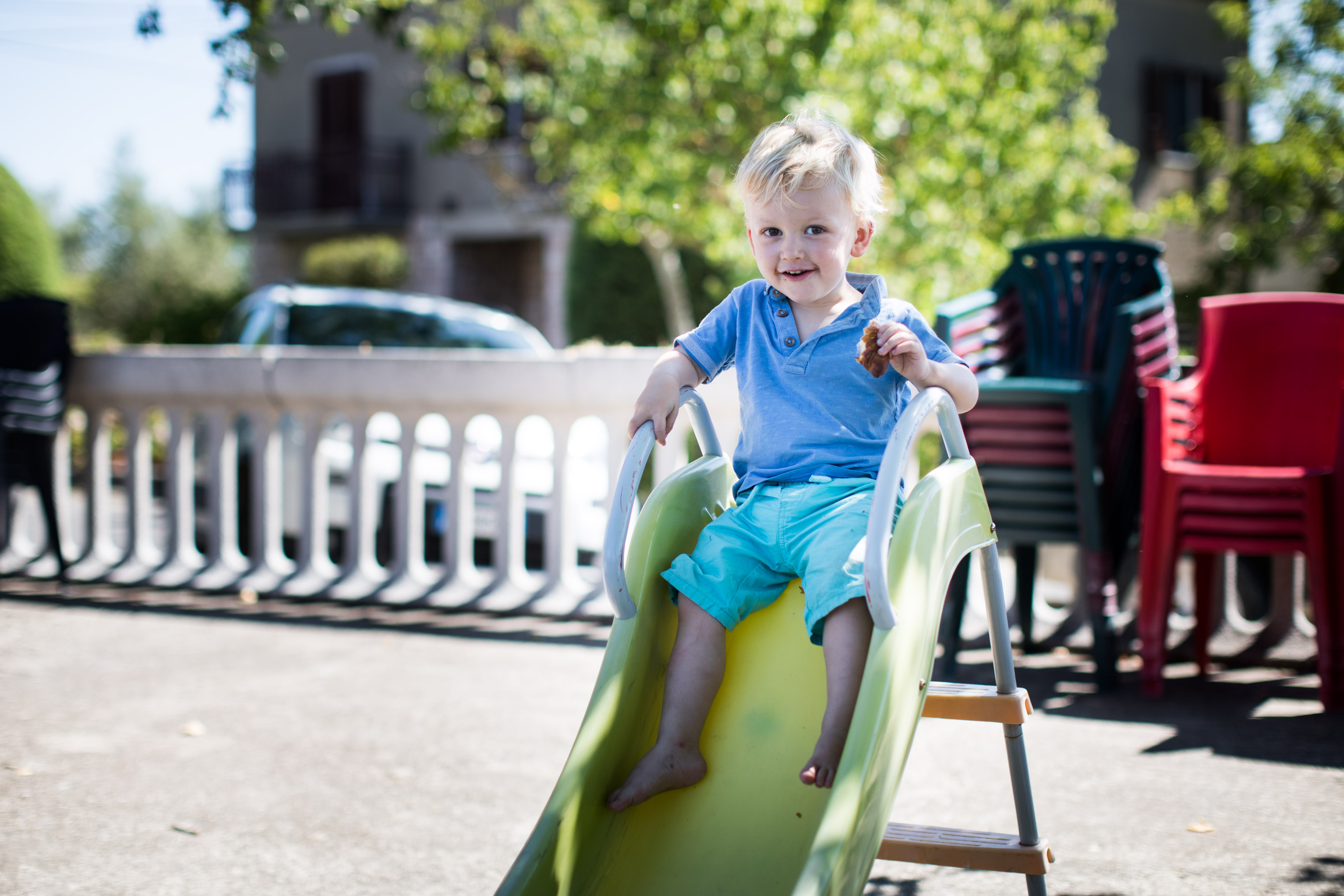
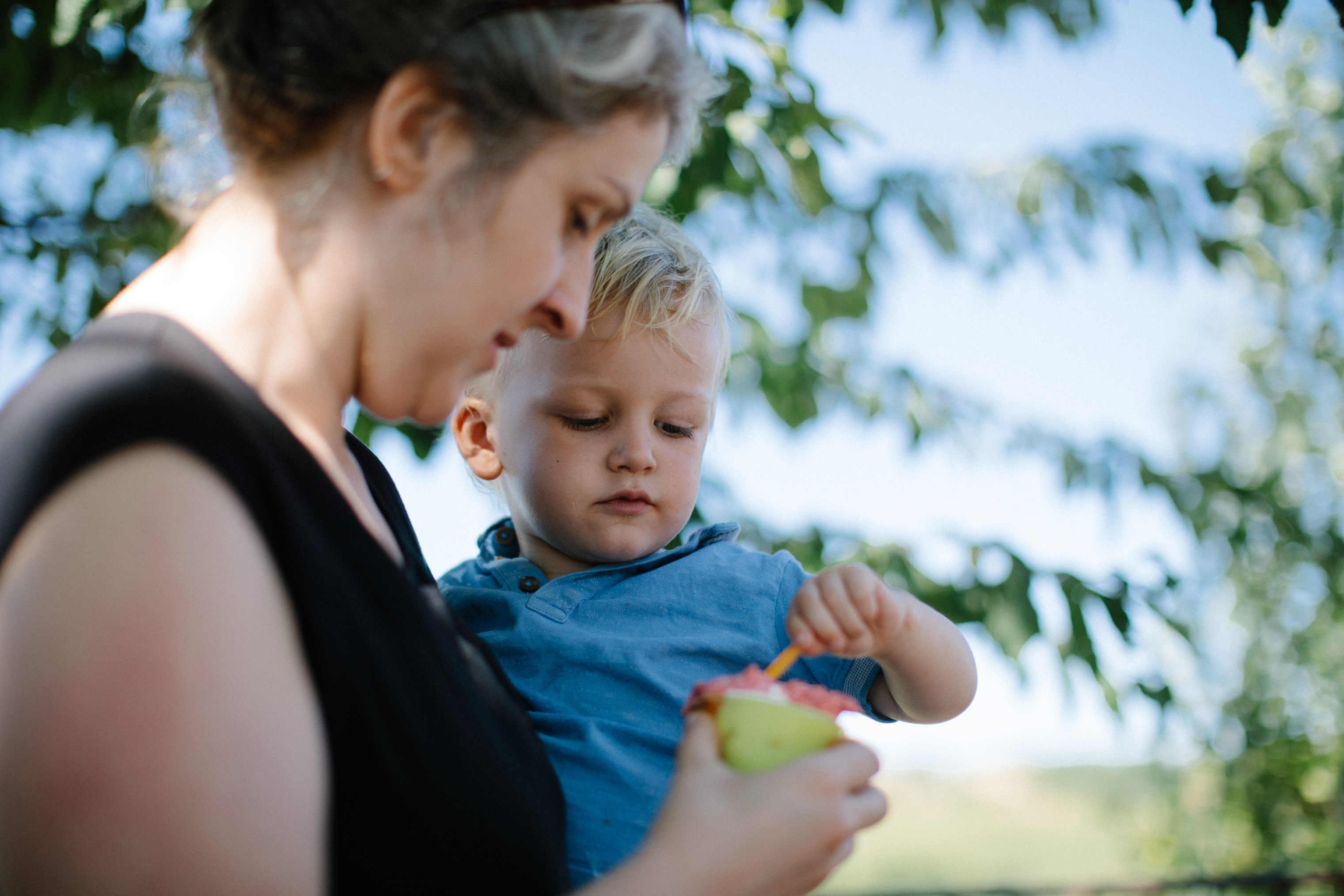
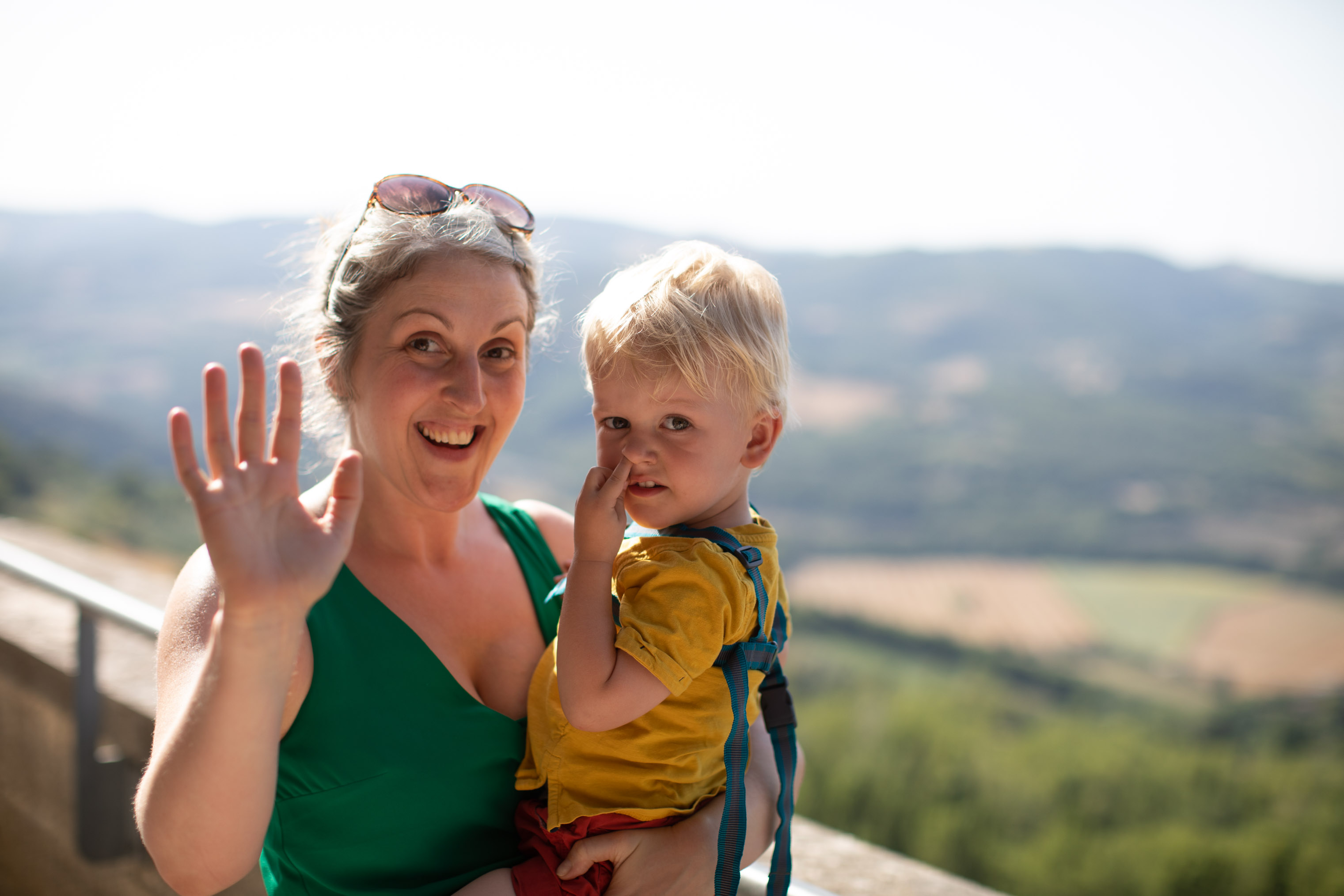
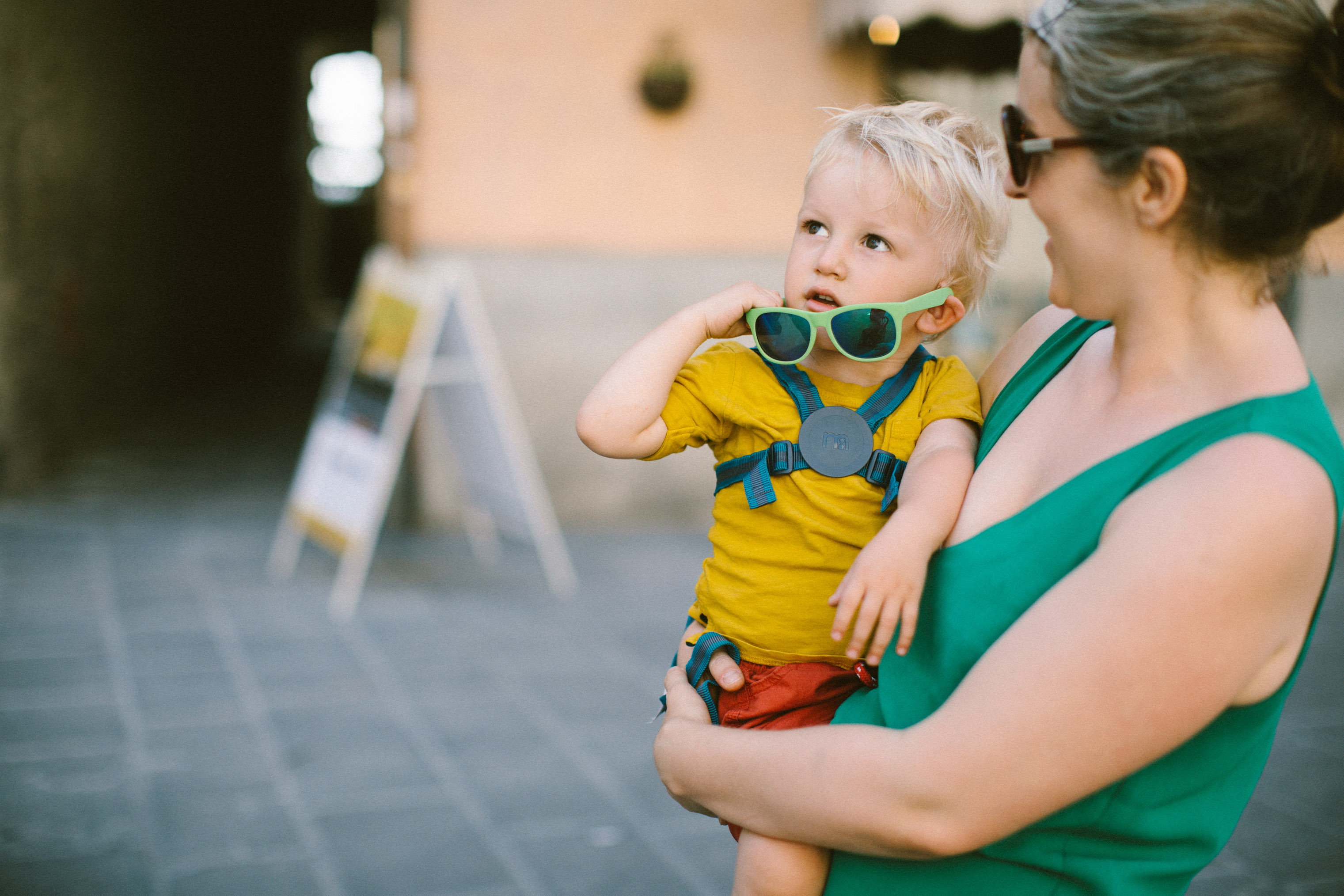
This was my son’s third trip to italy, having been out there at three months, and again at fifteen months. It was the first time he was the only grandchild at the house and had unfettered access to his grandparents, he was also more aware of his surroundings and those around him. Having the time and the kit on hand to photograph his adventure was fun, and has produced a record of a lovely time away. I’ve cheated, and over-used analog emulation but I put that down to not having a film camera with me. (I’ve been on a Portra binge since I got home to balance this out.) I invariably come away from these trips with mixed feelings, and this year is no different. I’m aware that I squandered some opportunities, and made little of others. The pictures I love are the pictures of the intern, the others will grow on me as time passes. Whatever the photography it was a really good holiday.