
Fables and Reflections
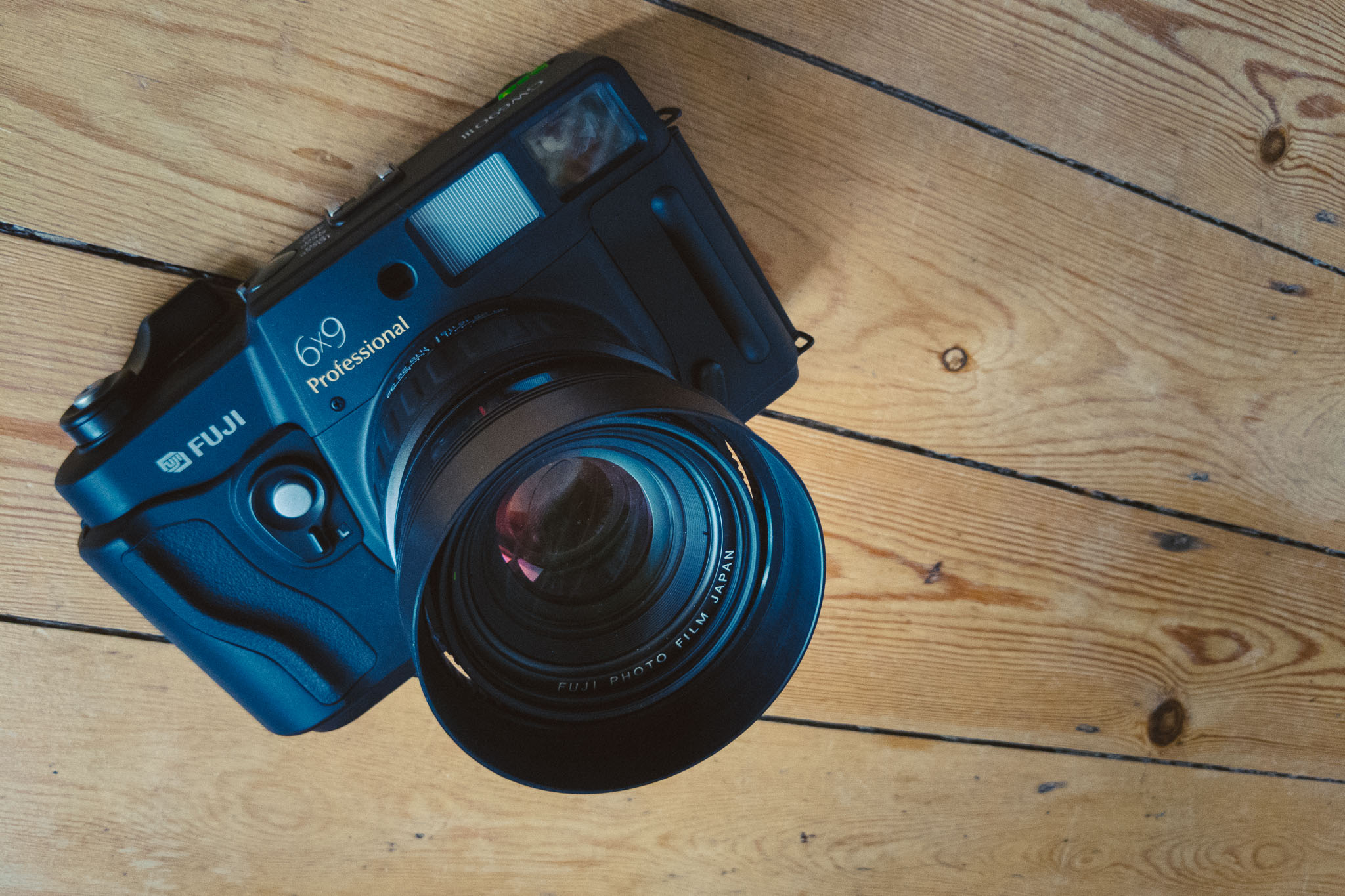
About 18 months ago I lent my Fujinon GW690 (hereafter ‘690’) to a buddy of mine called Andy. I was happy, the camera hadn’t seen much recent action and I figured that when I got it back, I would be able to reengage with it as if it were a new camera.
Time passed and Andy and I didn’t see each other. I was starting to miss the camera so I nudged him to get it back to me. He wondered aloud whether I might sell it to him. A seed was planted.
Some more time passed and the camera wizard let me know of a GW690 MkIII, [hereafter Mk III], that might be hitting the market.
Within 24 hours Andy had bought and paid for my 690. The transaction was so efficient that I had sold my camera before the Mk III was available.
Cue a few days of nervous-contrition. What had I done? I eyed the photos I had made with my beloved 690, and wondered if this was going to be one of those “One that got away stories”. I was now the fabled dog, dropping his bone in the river in order to eat the one reflected in its surface.
Having bought it sight-unseen, and not wanting to enquire about its condition once I’d committed to buying it, I just waited, dreading its arrival.
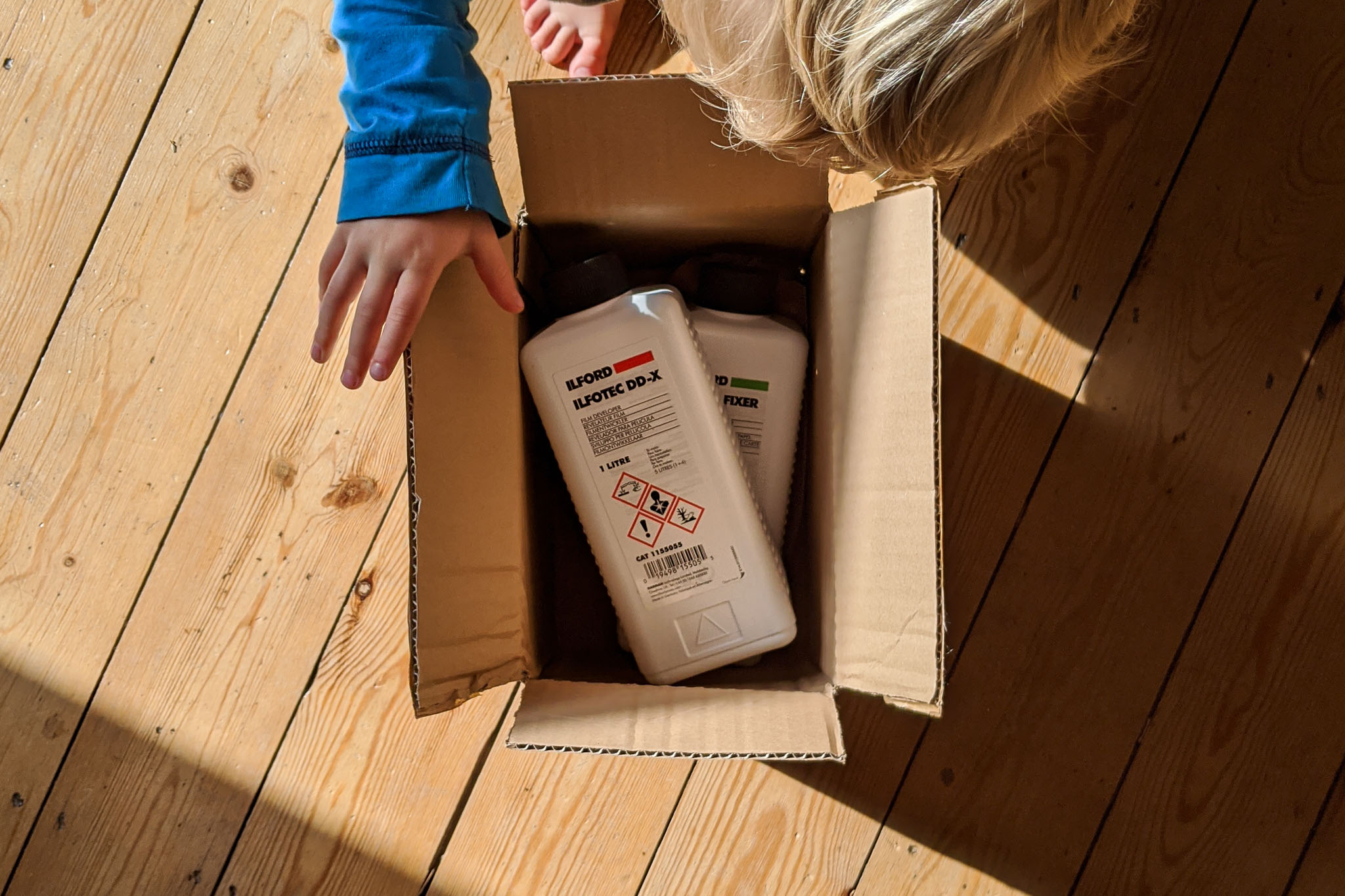
While I waited I decided to return to developing my own film. I would be able to test the new camera once it arrived and it would be fun to get back into it. I haven’t developed anything in a few years, it’s something I’ll do when I have time, and I never have time, until now, sort of.
When I inspected the box in the cellar I found that the black & white chemistry was so old that it actually rattled when I shook the bottle. I ordered more.
I took a fairly reasoned (for me) route through the process. Beginning with a camera I knew and trusted, new film (in date at least), and new chemistry, I first tested my developing skills. I put a roll of HP5+ through my Hasselblad. Once the new chemistry arrived, I developed my first roll in years.
It turned out I could still develop a picture.

Skipping a generation
Once the MKIII arrived I realised that I should have just trusted the Camera Wizard. The counter suggests it has taken fewer than 600 pictures, and the general condition would seem to tally.
The MkIII is heavier, has a bulkier more plastic feel than its predecessor, which it is optically identical to. This begs the question, why spend the money to upgrade?
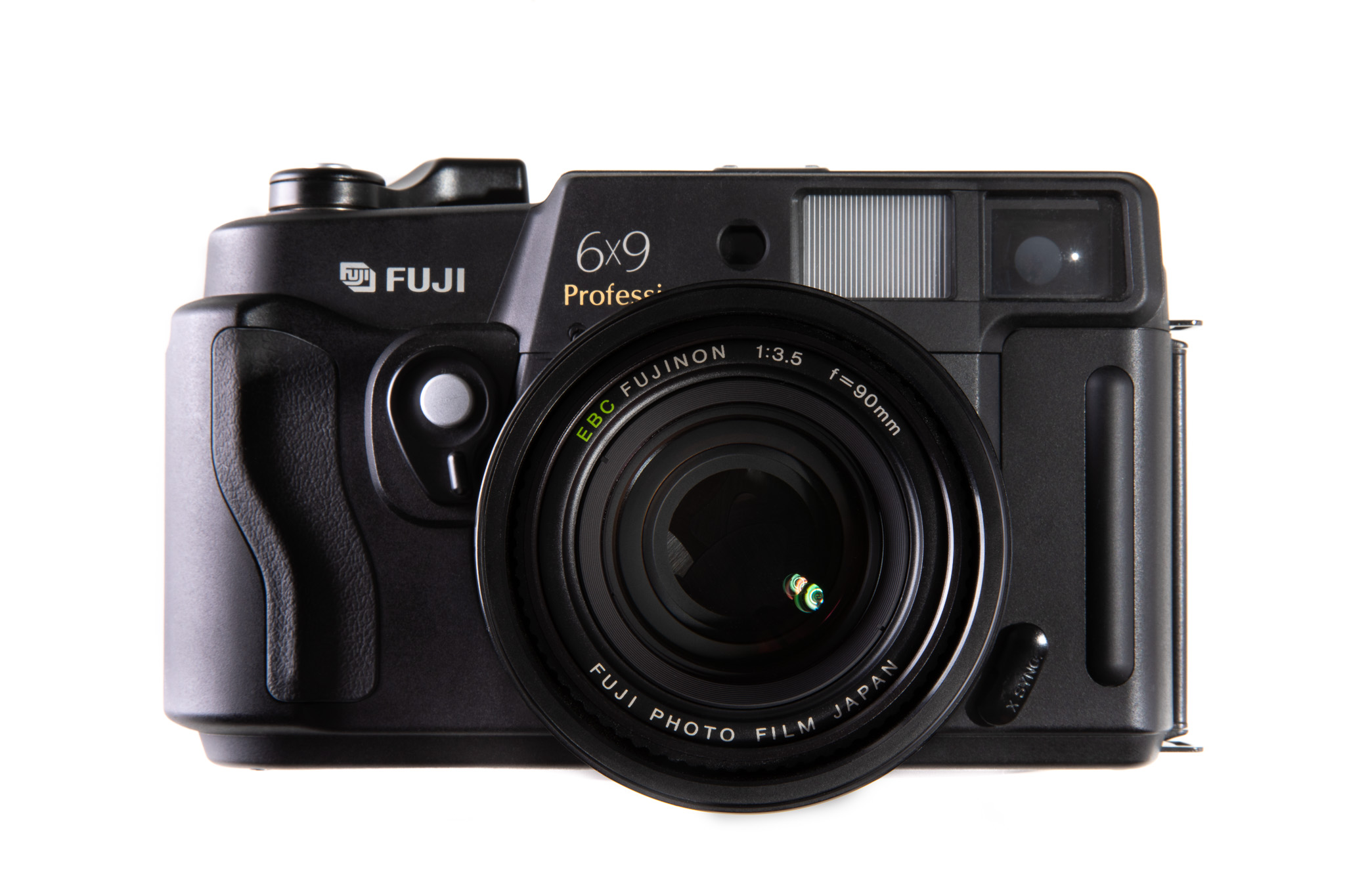
The main reason is that the camera has a shutter lock. I have a love-hate relationship with shutter locks. They stop me taking photos of the inside of my camera bag, which I do occasionally with both my Leica and did with the 690. They are however an extra thing to remember when you bring the camera to your eye. I have on more than one occasion tried to fire my Canon F1 to find the shutter locked and had to watch the moment pass through my viewfinder.
I always wind on but you could simply leave the camera uncocked as you put it away. When I’ve tried this in the past it has meant remembering to cock the camera as you bring it to your eye. It is quicker to unlock a shutter than to wind on and with only eight frames to a roll and an eye to reportage, a shutter-lock is good thing.
Also in its favour, the camera is two generations and 14 years nicer, (they were introduced in 1978 and 1992 respectively), and there are iterative upgrades to the ergonomics and peripheral systems like the spool pins and the closing latch.

A testing time
When the time came to test the MK III, having confirmed that I, my film, and chemistry where all operating within tolerance, I put a roll of HP5+ through it.
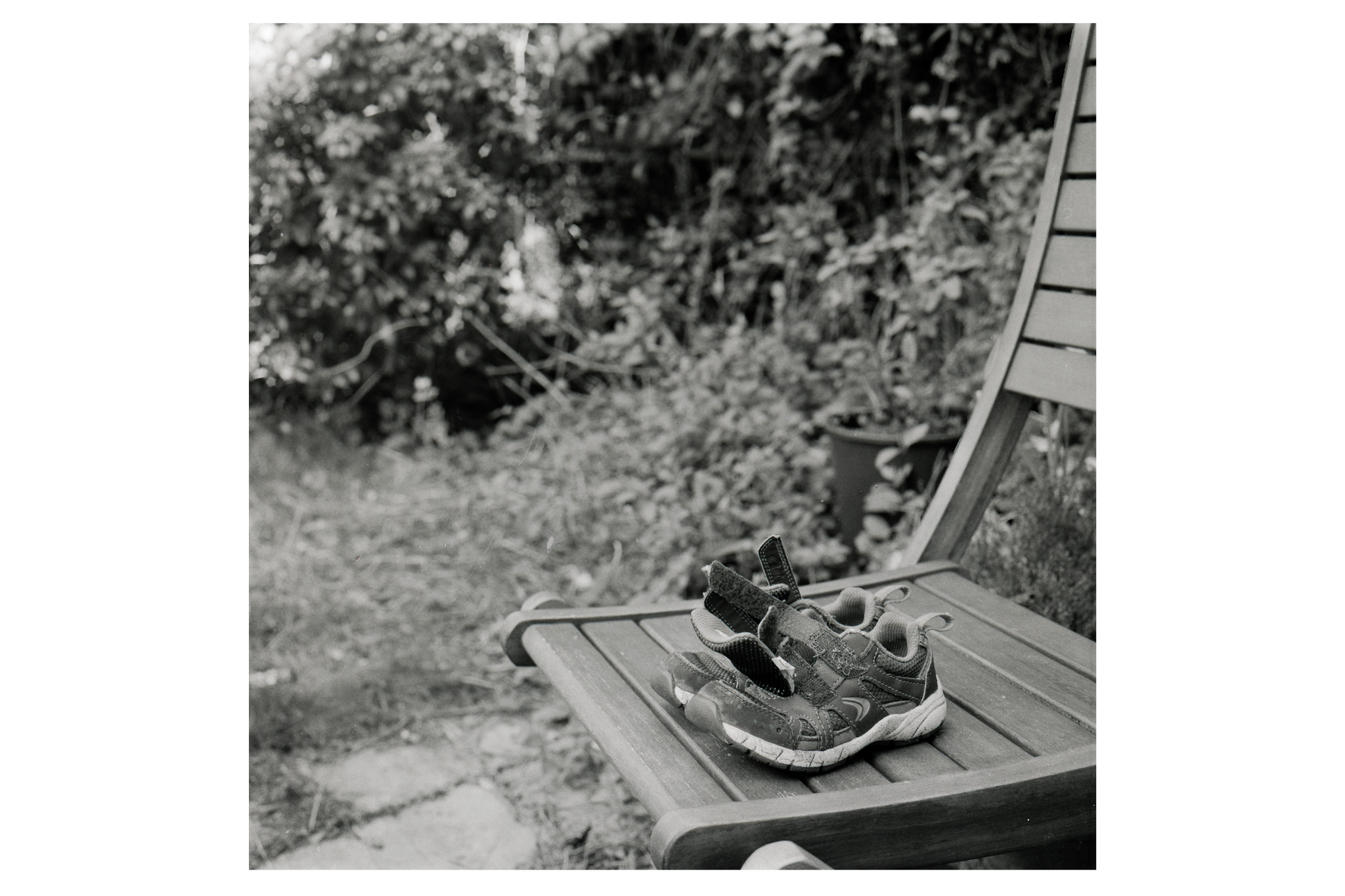
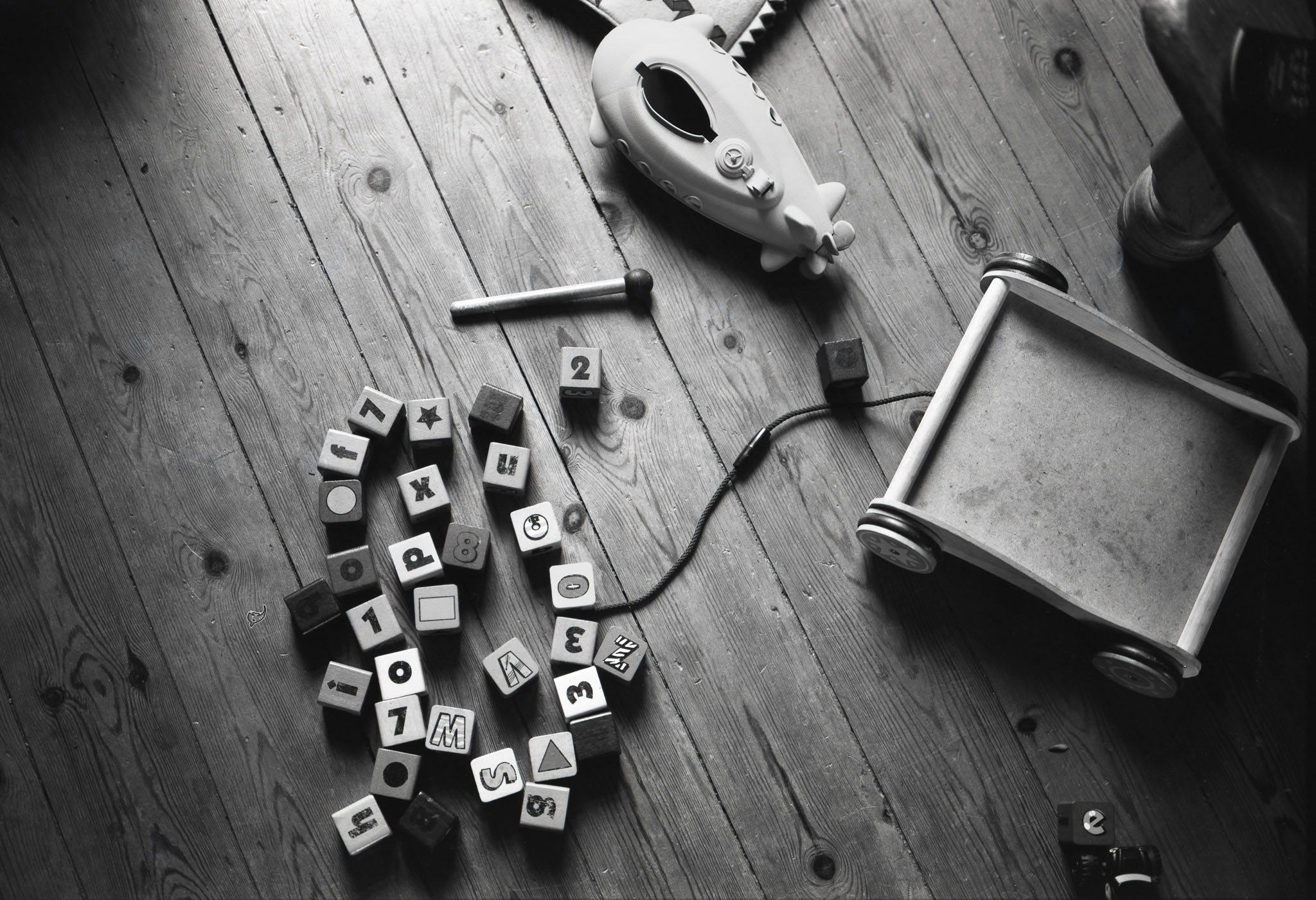
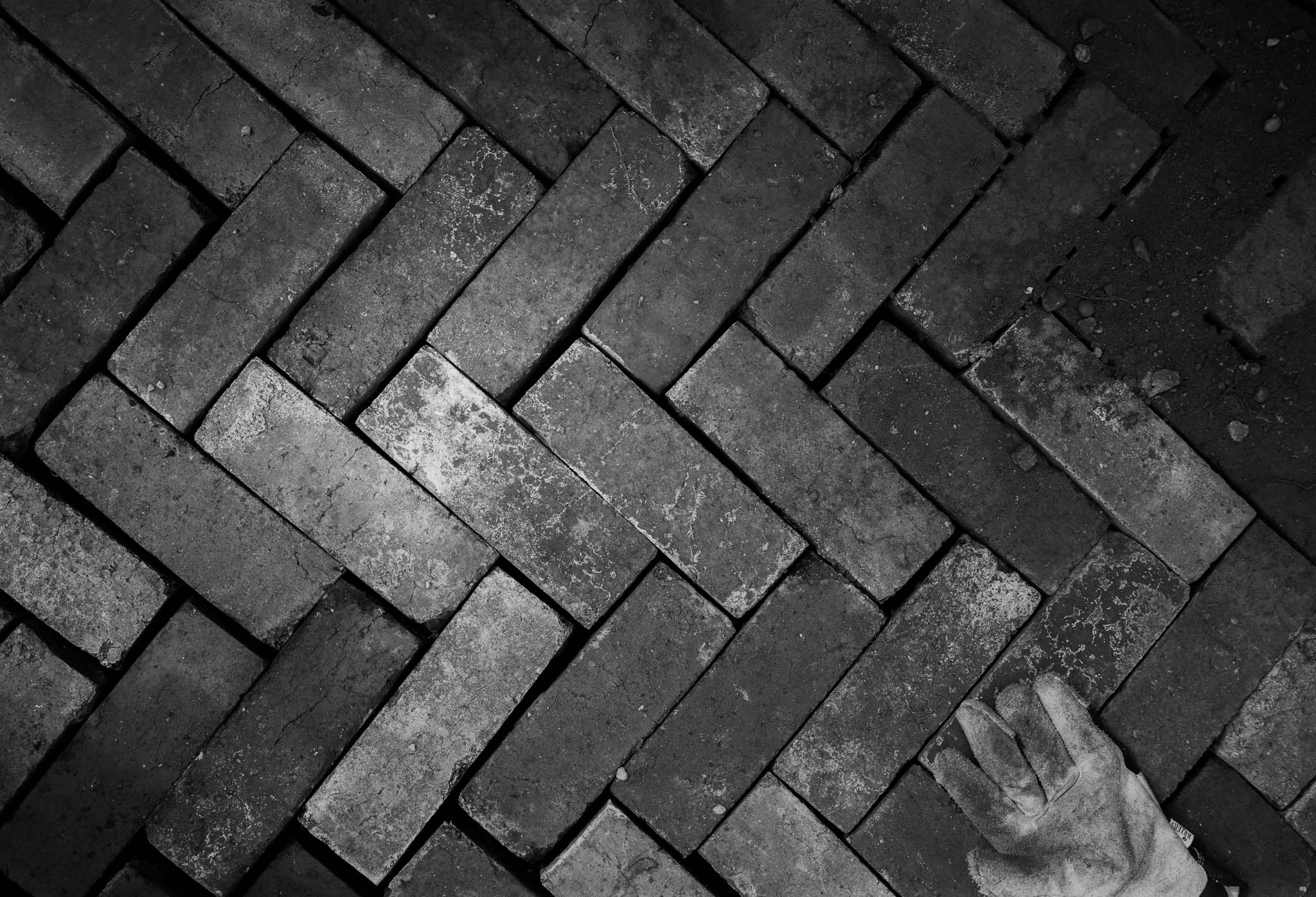
I intended to confirm that the camera worked as expected before shooting more film, but I shot my first roll of Ilford Ortho Plus instead of waiting. The results from each roll were pleasing, if not earth shattering, one of the downsides of lockdown is a dearth of varied subject matter.
Coming back to developing film has reminded me of how much I both love and hate it. I love the speed with which one can see results, the excitement and anticipation.
Developing the third roll reminded me about the bits I hate. For one reason or another the film kept catching on the spool, and I spent forty minutes spooling and re-spooling the first third of the roll only for it to catch again and again.
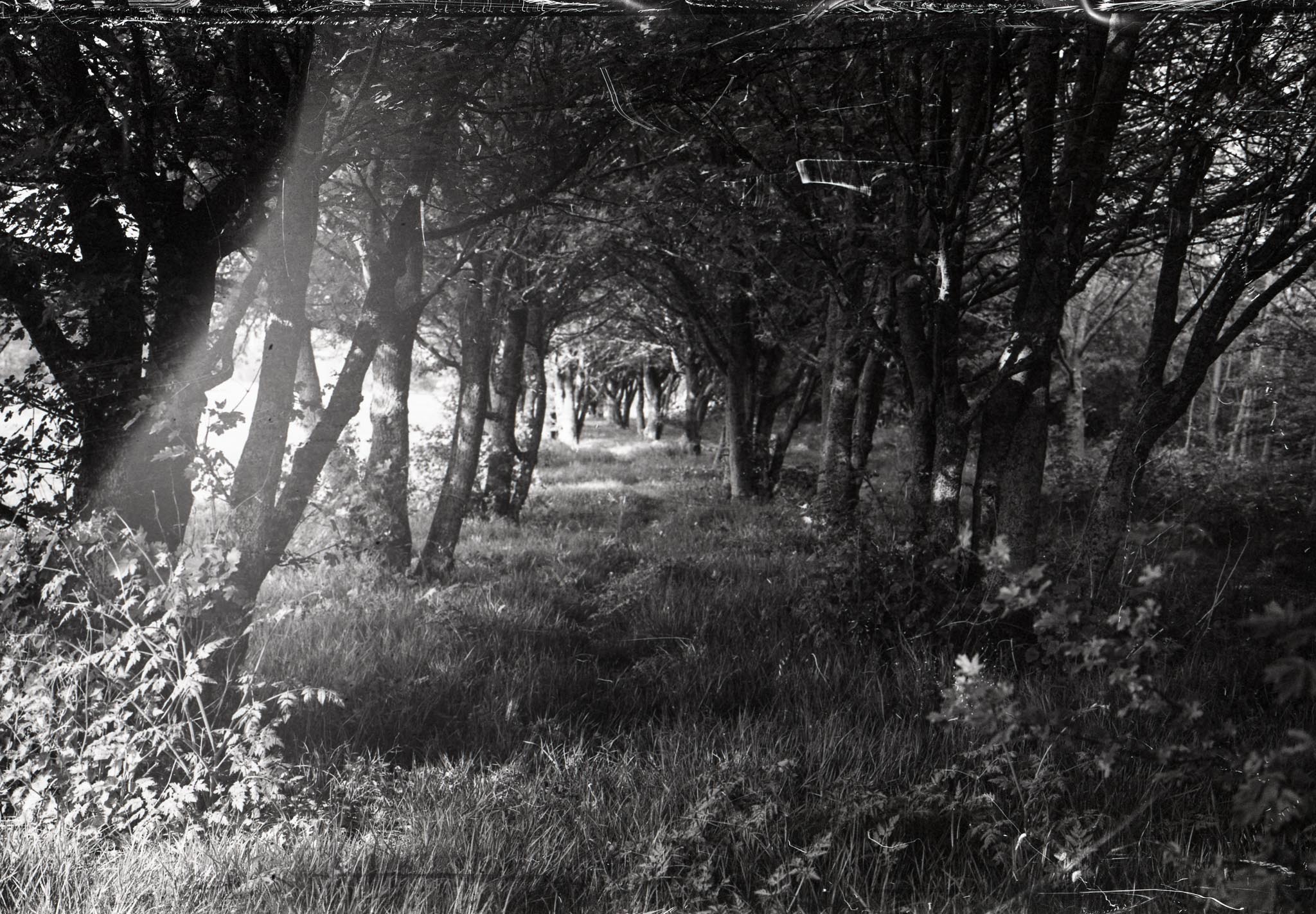
With my hands trapped in a constrictive dark tent, cramping and getting sweaty, it was a perfect reminder of all the reasons I hadn’t missed spooling film. I became really frustrated, certain that I had ruined the pictures with fingerprints and rough handling, to the point where I considered just opening the tent and walking away.
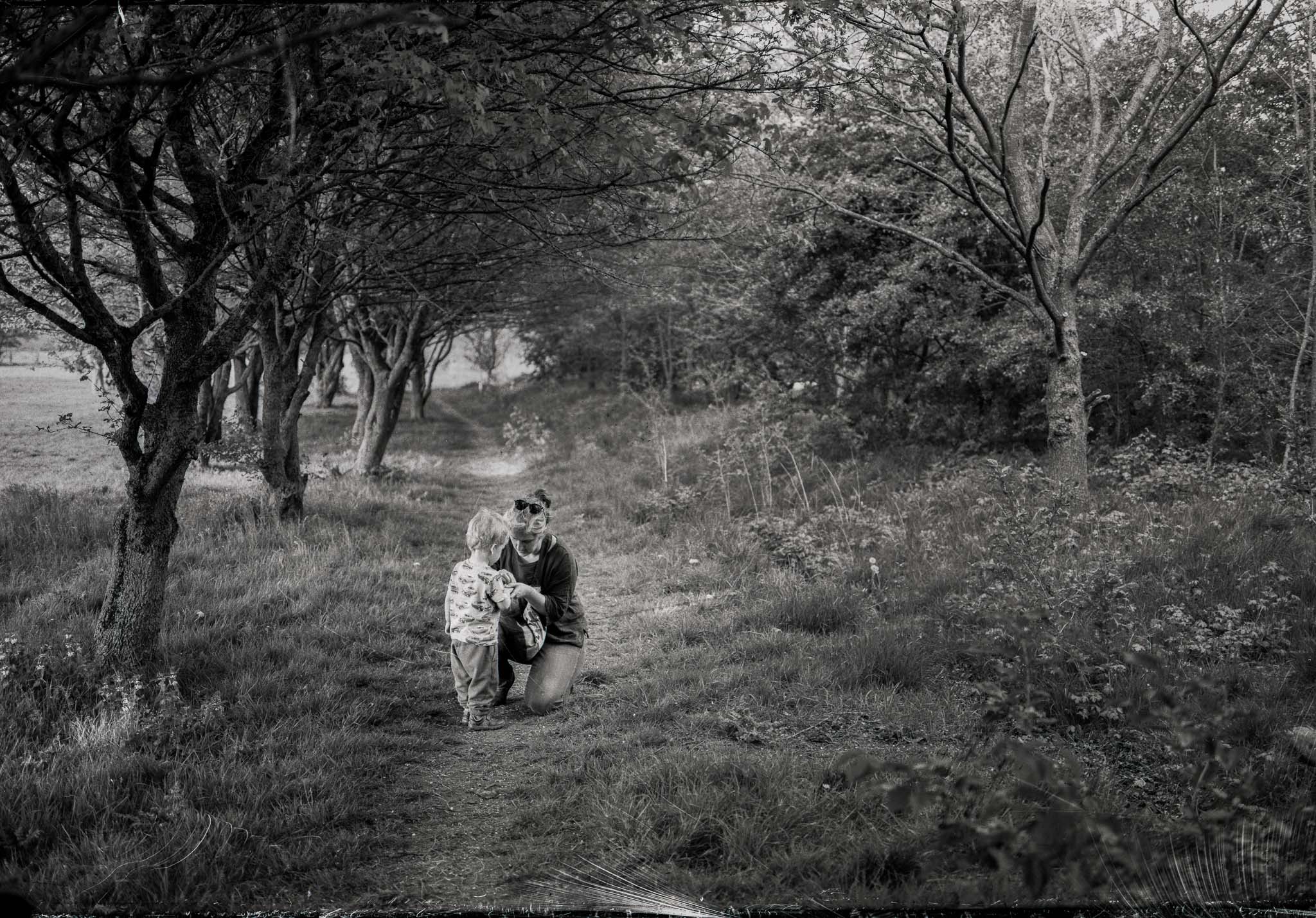
Eventually I resolved to complete the process, spooled as much of the film as I possibly could, and then shoved it, half spooled in to the tank. The results were scratched, with visible kinks and witness marks across each of the frames.
Even with these marks it was totally worth persevering. Aside from demonstrating how robust the process is, I really like at least one of the pictures, and with some photoshop work I repaired it enough to be happy with it.


A bit of colour
Prior to not developing film for a few years I bought new monochrome and colour chemistry. The black and white stuff had begun to fossilise in that time and so I replaced it, but the colour stuff remained a mystery.
The bleach, fix and stabiliser are all strong single solutions that require dilution, and each appeared to have remained inert. The developer is made up of three separate chemical solutions, as once mixed they have a shelf life of about six weeks. One of these bottles was off-colour, and slightly concave, and I wondered whether it was even going to work.
Now that I knew the MKIII was working, and had begun to fall in love with it, it felt like it was time to through some Kodak Portra at it. (One other advantage in this case is that I only need eight photos for a test roll).
It worked. I forgot how much I liked seeing the colour change in the vented chemistry when developing colour. The difference hints at what is going on inside the the tank.
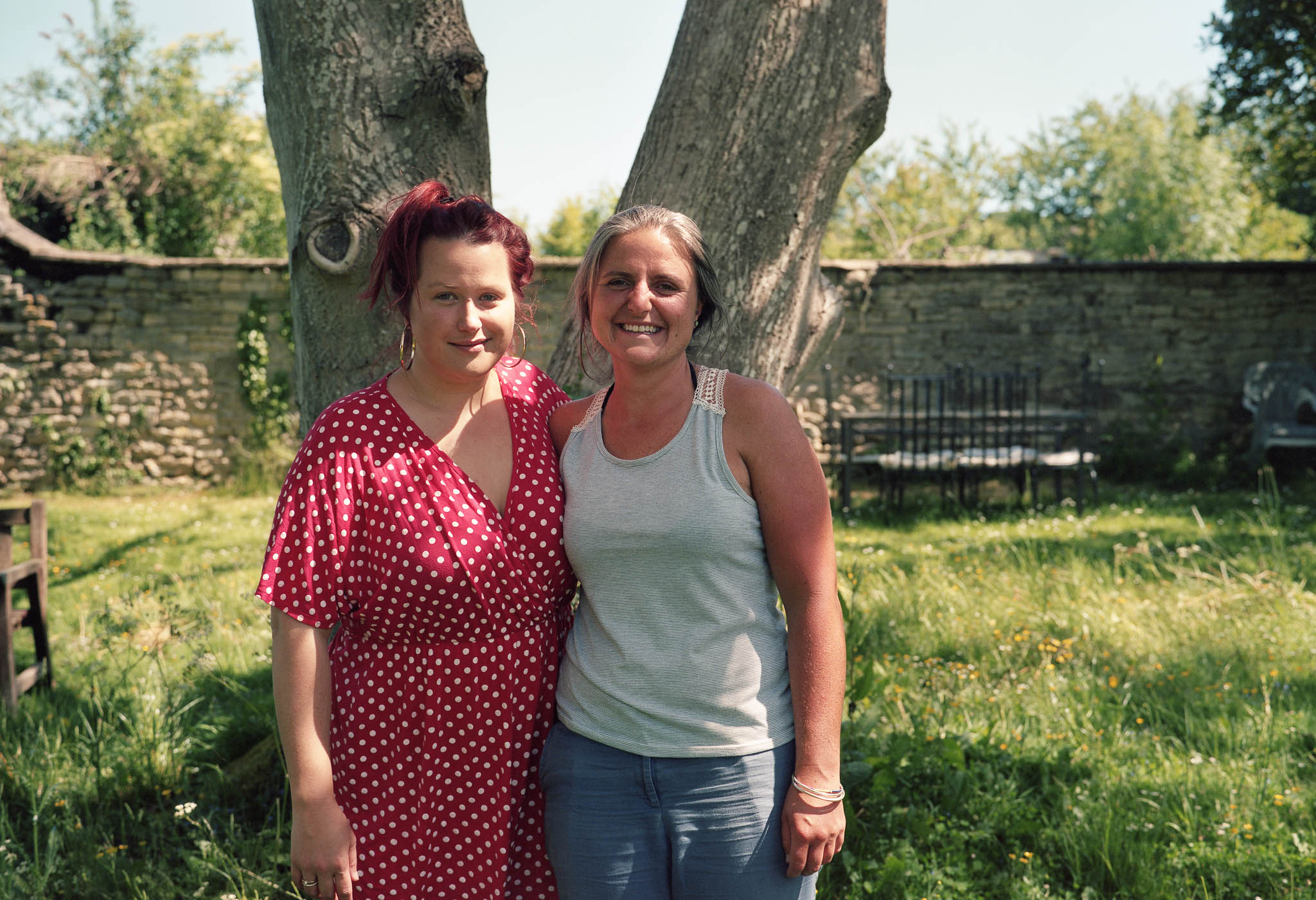
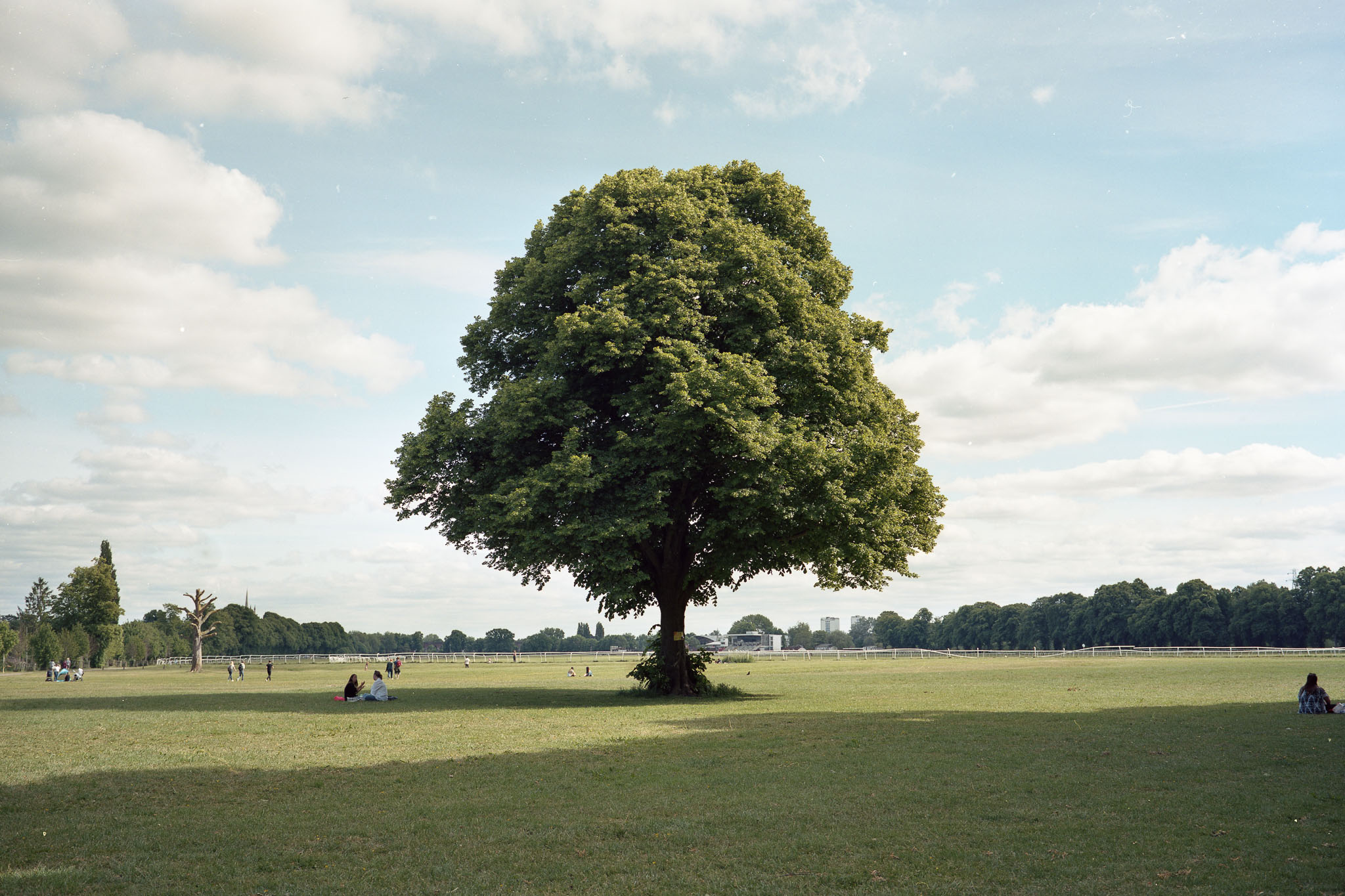
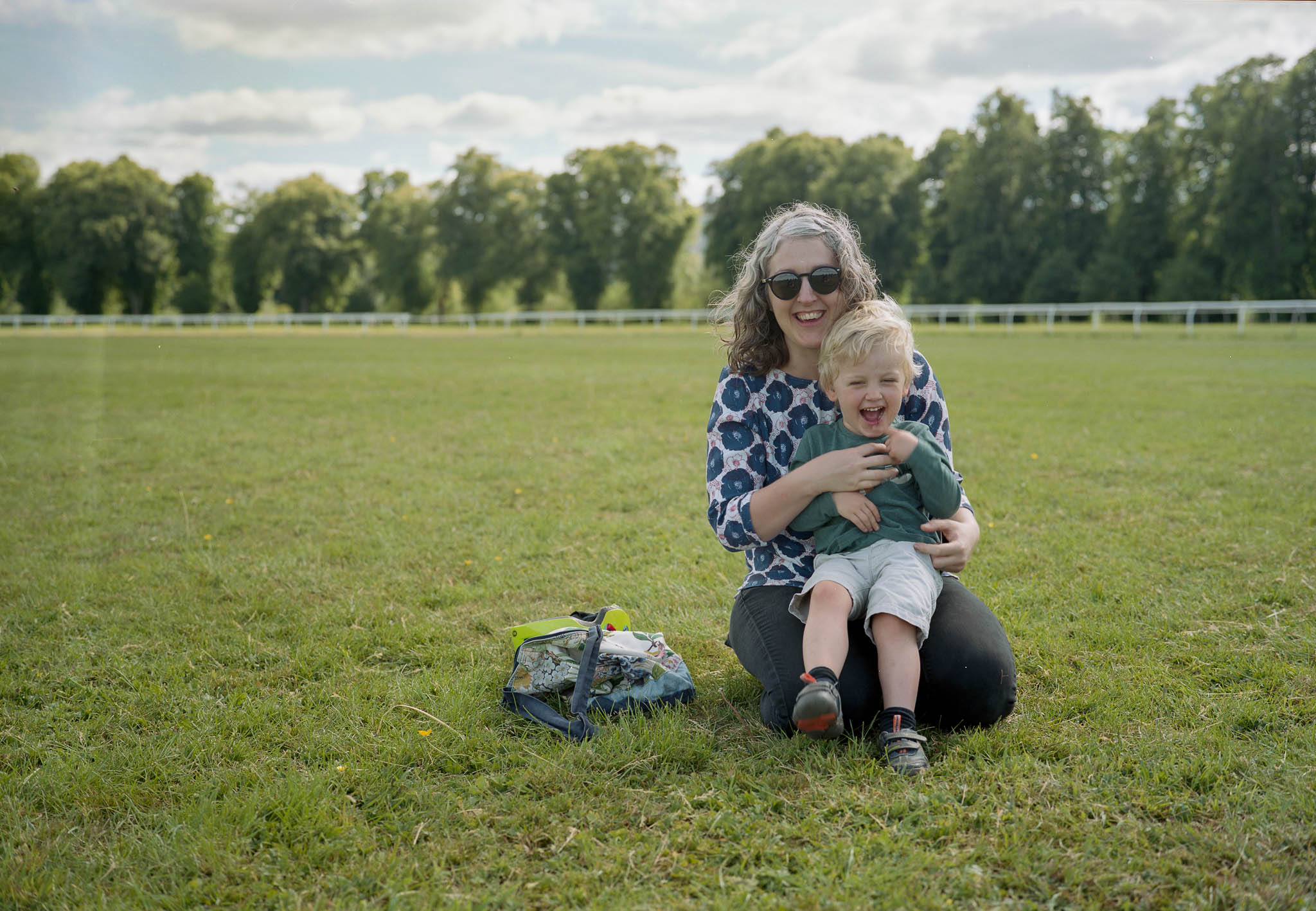

So the GW690 mkIII is big and heavy. It’s super loud for a rangefinder with a leaf-shutter and getting 8 frames to a roll is hardly economical, (it’s lucky that it’s a hard camera to use quickly).
The optics however are great and while the shutter-lock isn’t second nature yet, it soon should be. I just love how it feels to use the camera. The DNA of my beloved 690 is here, with tweaks. This thing is lush.