Back in 2020, I bought a Ricoh GR1 Date. I bought it as part of my continuing search for an everywhere camera, and I did it despite the lens being wider than I’d like, and knowing that it would die on me.
By the time I bought mine they were starting to get pricey, the compact camera resurgence was in full swing and cameras that few had sought out years before were starting to climb in value, the GR1 was also no longer serviced by Ricoh, and they were all around 20 years old.
I didn’t expect to like it, and it began its life with me almost as a begrudged right of passage, it was part of my film apprenticeship, and something to be borne.


A Hot Potato
Soon after buying the Ricoh, I took it to France and as soon as I saw the first roll, I knew the camera was staying. The pictures made me happy even as I did everything I could to not fall in love with the camera. I wanted to use it, like it, and sell it before its inevitable death.
The lens, which is definitely too wide, is perfect somehow when on that camera, even so I wanted to pass on the hot potato before it devolved.
One strategy included buying a digital version, a Ricoh GRIII which I didn’t keep. It just wasn’t the same.
In the time since all this happened a few cameras have come and gone, I’ve been shooting less film and prioritising my other cameras. This is how I came to shoot my 6th roll of film in the Ricoh while I was in Bournemouth a few weeks ago.
Ferrania P30
I was going to make a joke about how I supported the Ferrania Kickstarter campaign back in 1986, but it was in fact, only 9 years ago. I declined the option, at some point in the process to have some P30 in place of the colour film I so desired, and have since eschewed Ferrania’s P30 in some sort of weak and petulant protest.
This was until a few weeks ago when, (and I’m blaming Analog Wonderland’s marketing team for this), I was struck by the desire to shoot some mid-century Italian cinemascapes.
Ferrania P30 was a motion picture film that was made famous by master film directors like Pasolini, De Sica, Rossellini and Fellini (according to the Ferrania website). By 1958 there was enough of a call for the stock to be produced for stills photographers.
As a lover of Fellini’s black and white work, in particular 8 1/2 which was shot on P30, I wanted to very much to shoot the emulsion. I think I hoped that I could look as cool as Marcello Mastroianni in a selfie or two ( I did not).
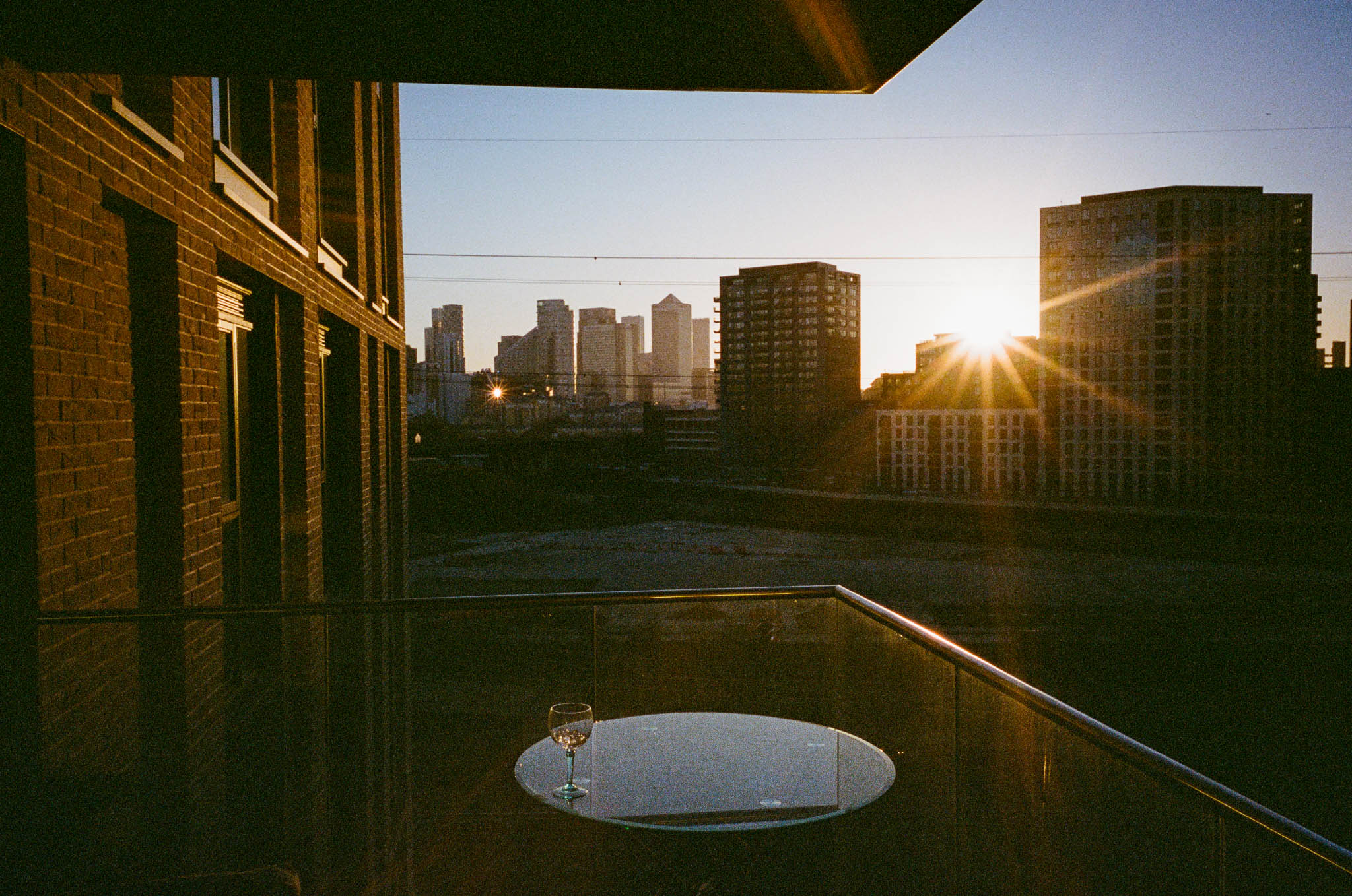
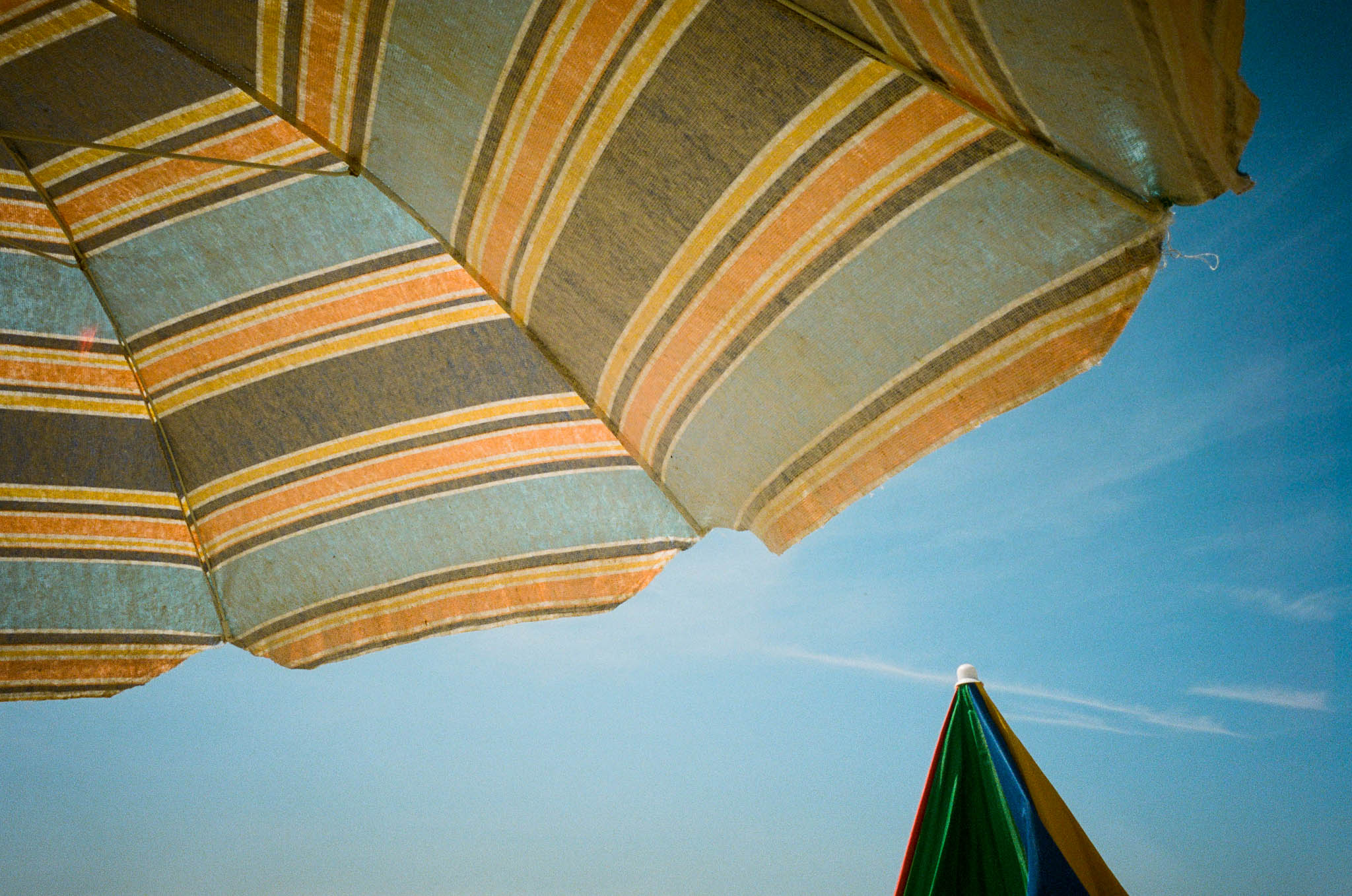
In order to load the P30 I needed to finish the roll of Portra 400 that was in the camera, (images top). The Ricoh winds the film all the way to the end when you load it and winds each exposed shot back into the can as you shoot.
This means that if you drop or pop the back off the camera mid roll, the images you’ve already made should at least survive. It also means that when you get your images back, each one takes you a step further into the past, much like shooting a film stock that’s nearly 70 years old.
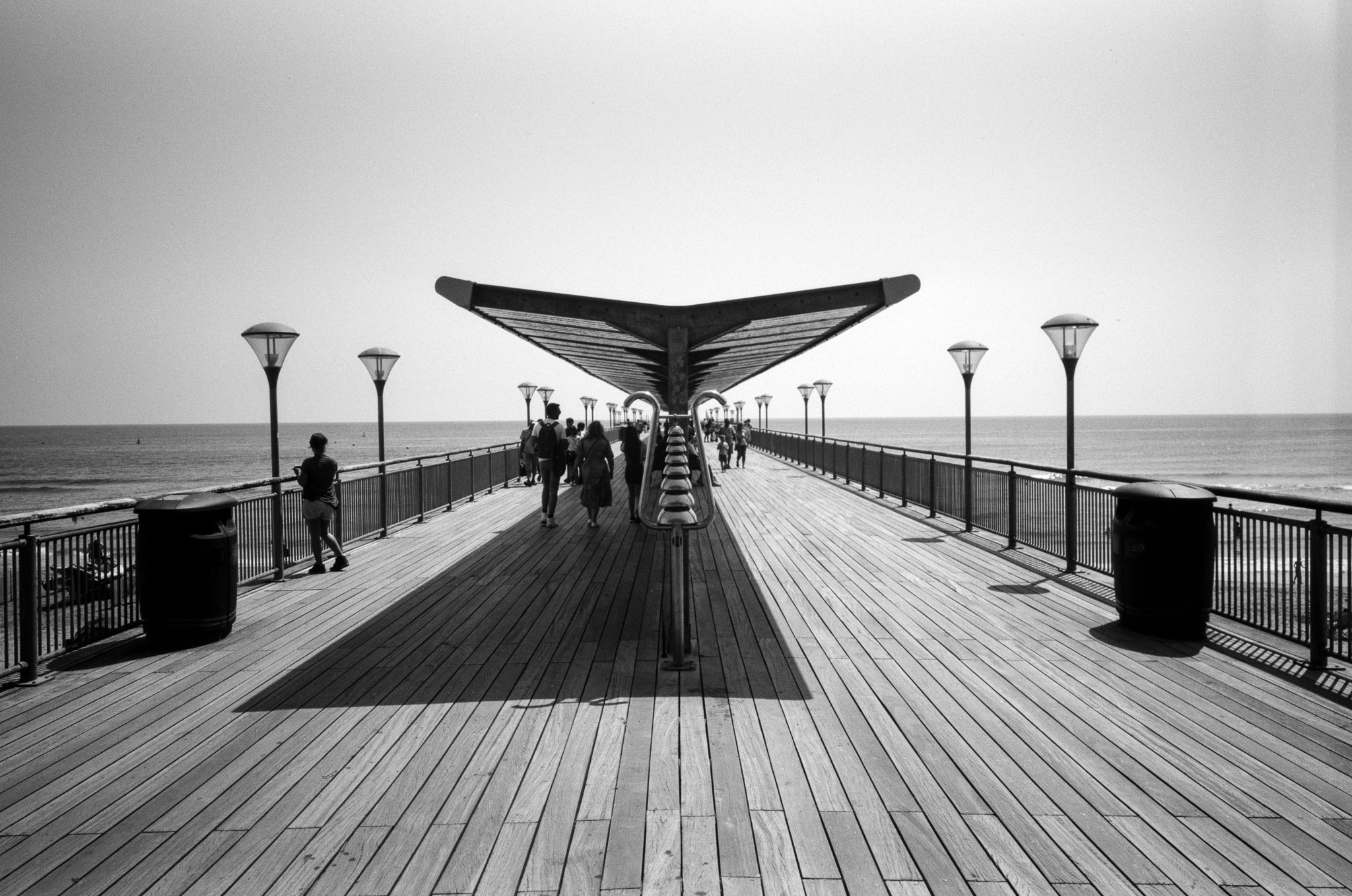
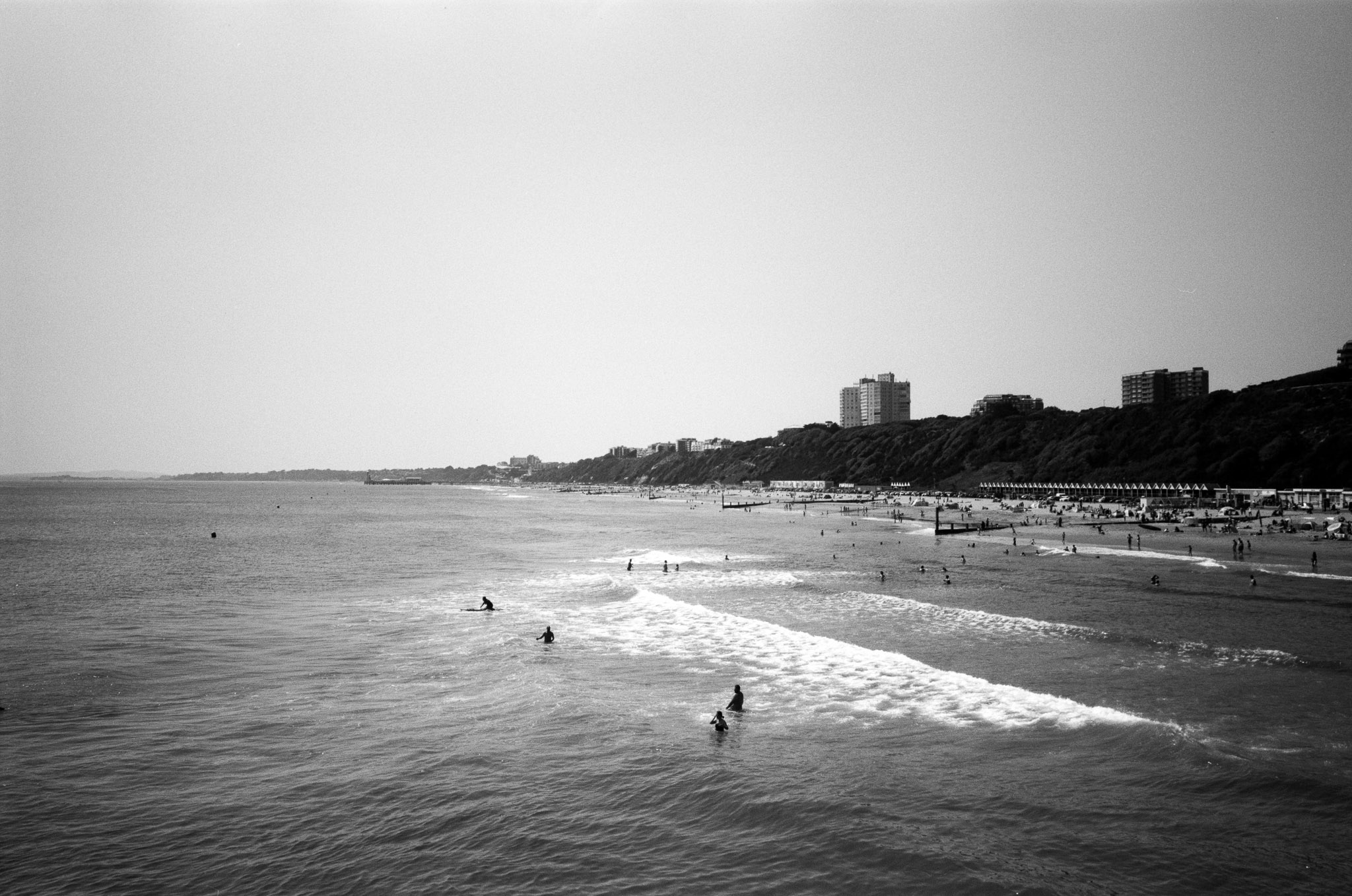
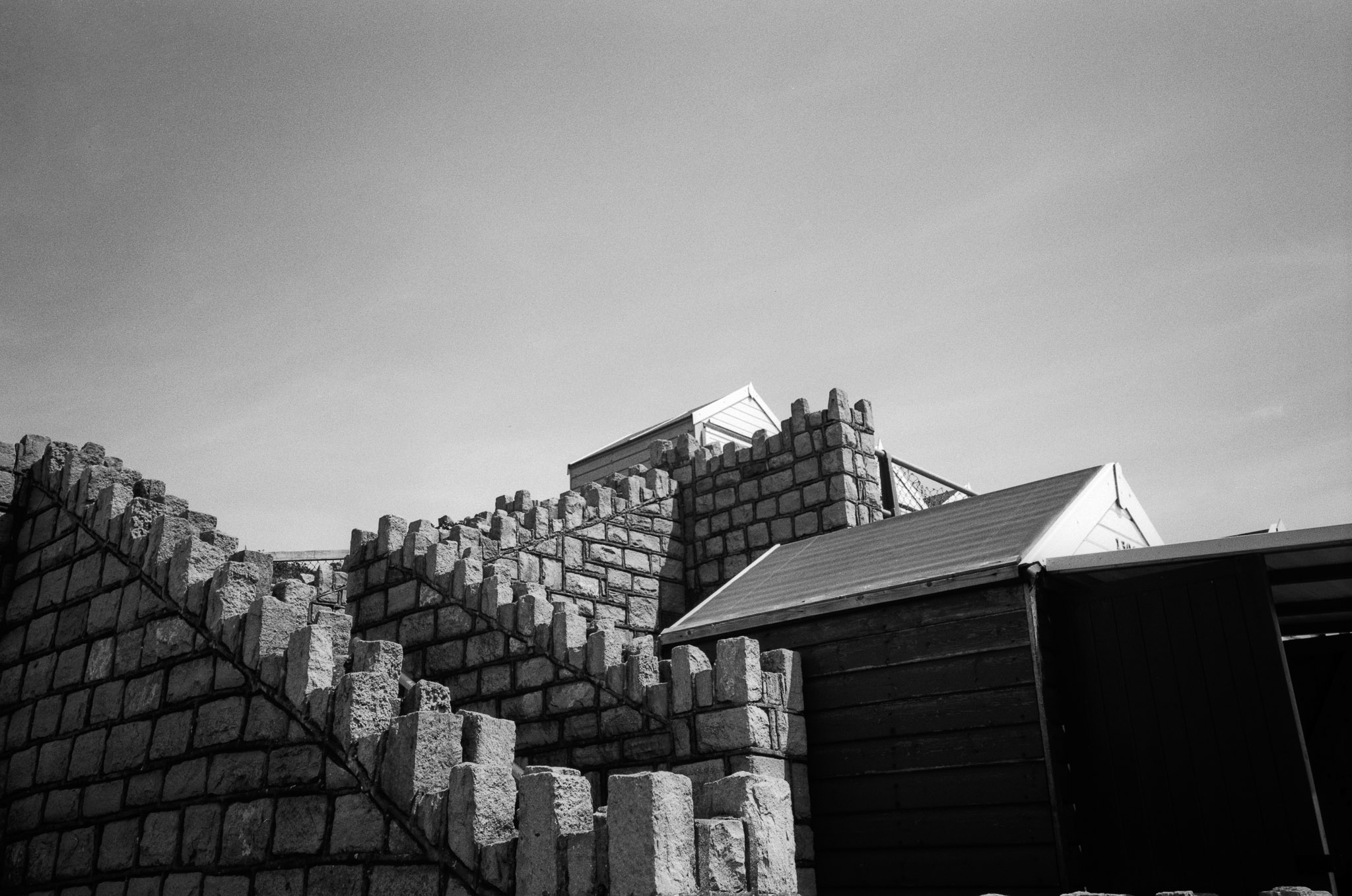
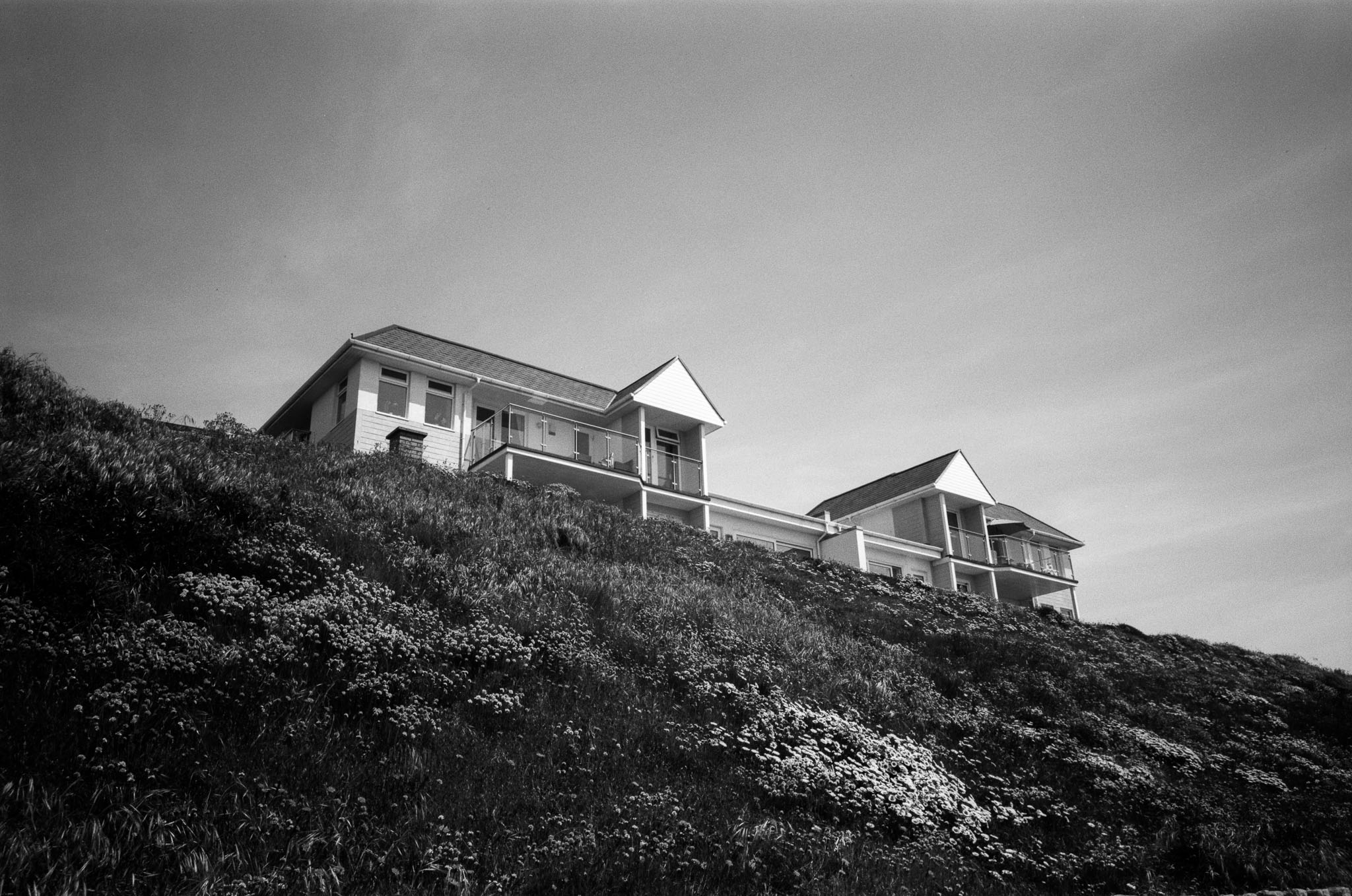
So I’m a little bit in love with Ferrania P30. Shooting it in the Ricoh gave me chance to just enjoy the act of walking and framing, without reflecting on settings and controls. In terms of the film I love the tone and contrast, the deep blacks and the fine grain.
My second roll in the lab as I type, this time shot on an SLR and where I took more control over the settings. Provided that Schrödinger’s roll echoes the promise of the first, I can see this becoming my go-to black and white film. I can’t wait to pass some behind the Zeiss Planar.
Paperweight
When I shot the GR in Wales back in 2021 it became clear that the foam around the film window was leaking light, towards the end of the P30 the motor started clicking loudly, a sure sign that it is on its way out. When I testing the camera at home, I noticed that the LCD was starting to fail.
The camera now exhibits the holy trinity of failures that it is famous for, and is likely dead. It seems fitting that I should finally admit to myself that I love this camera (despite all the things that are supposedly wrong with it) at exactly the point at which I can no longer use it.
Six rolls of film makes for 216 images. Including film, development and the cost of the camera I think they’ve cost me about £2 each. It’s expensive but I value a few of the pictures I’ve made with it enough to east the cost of the camera, I’m just not sure I would do it again.
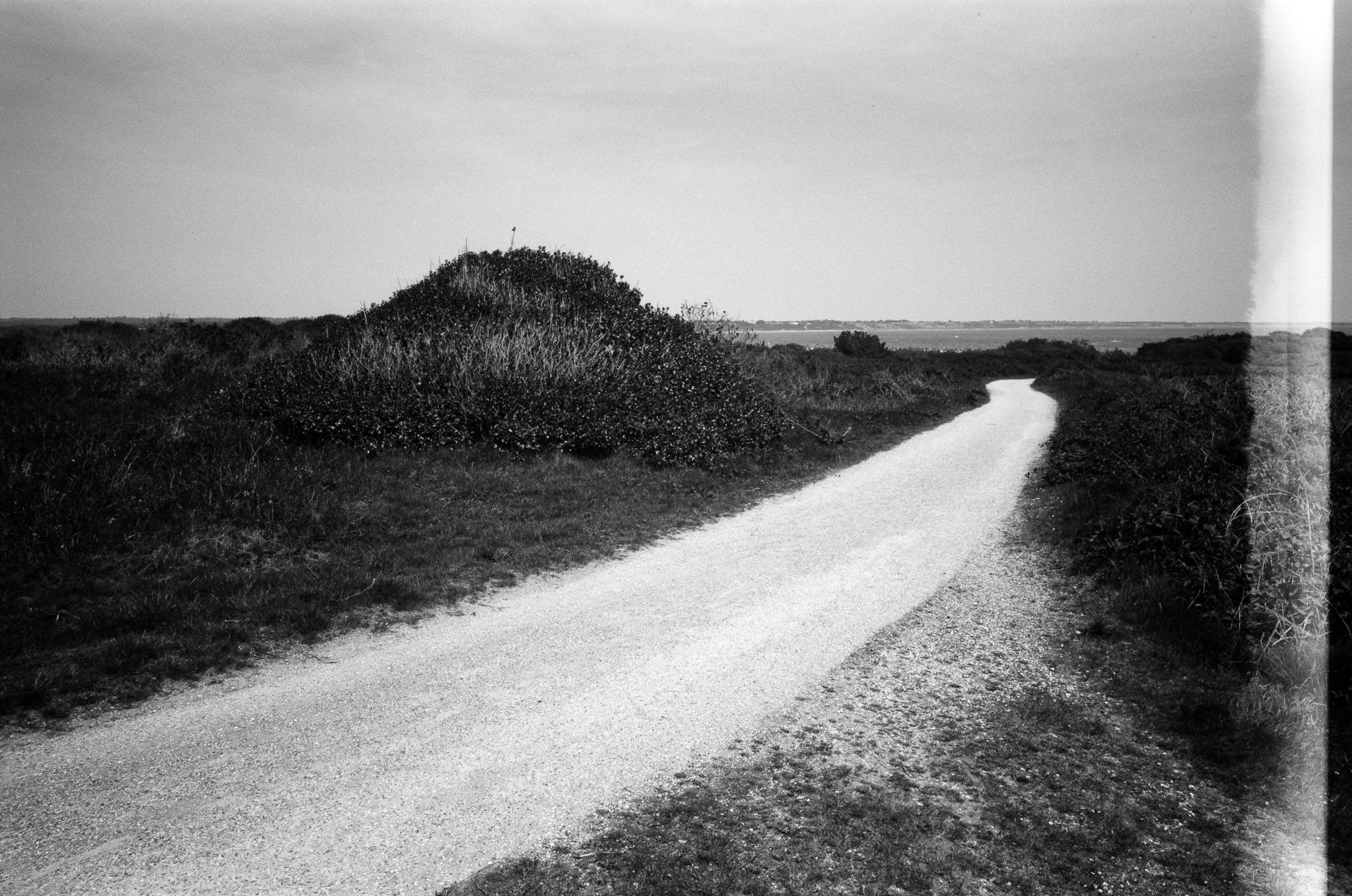
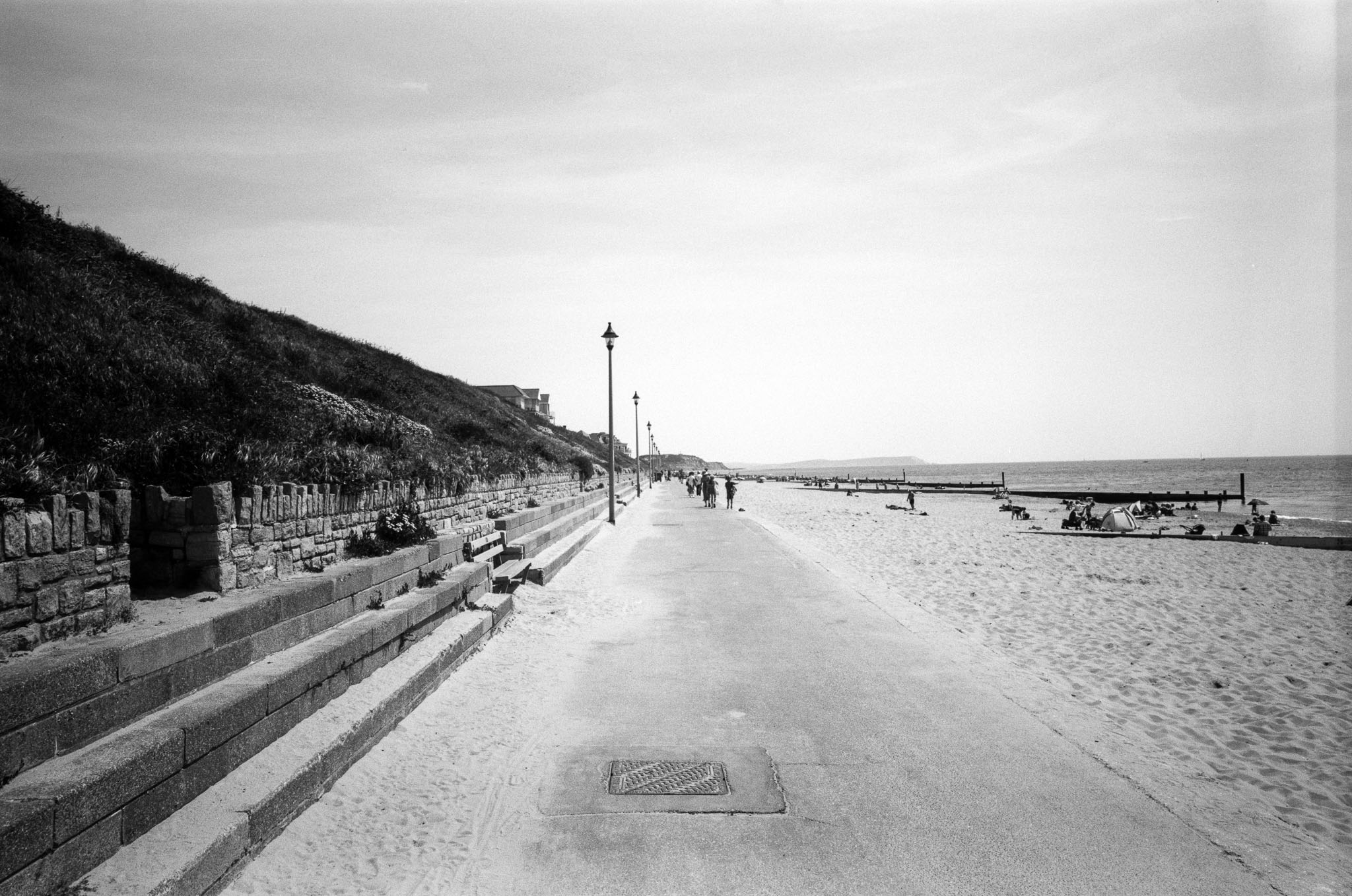
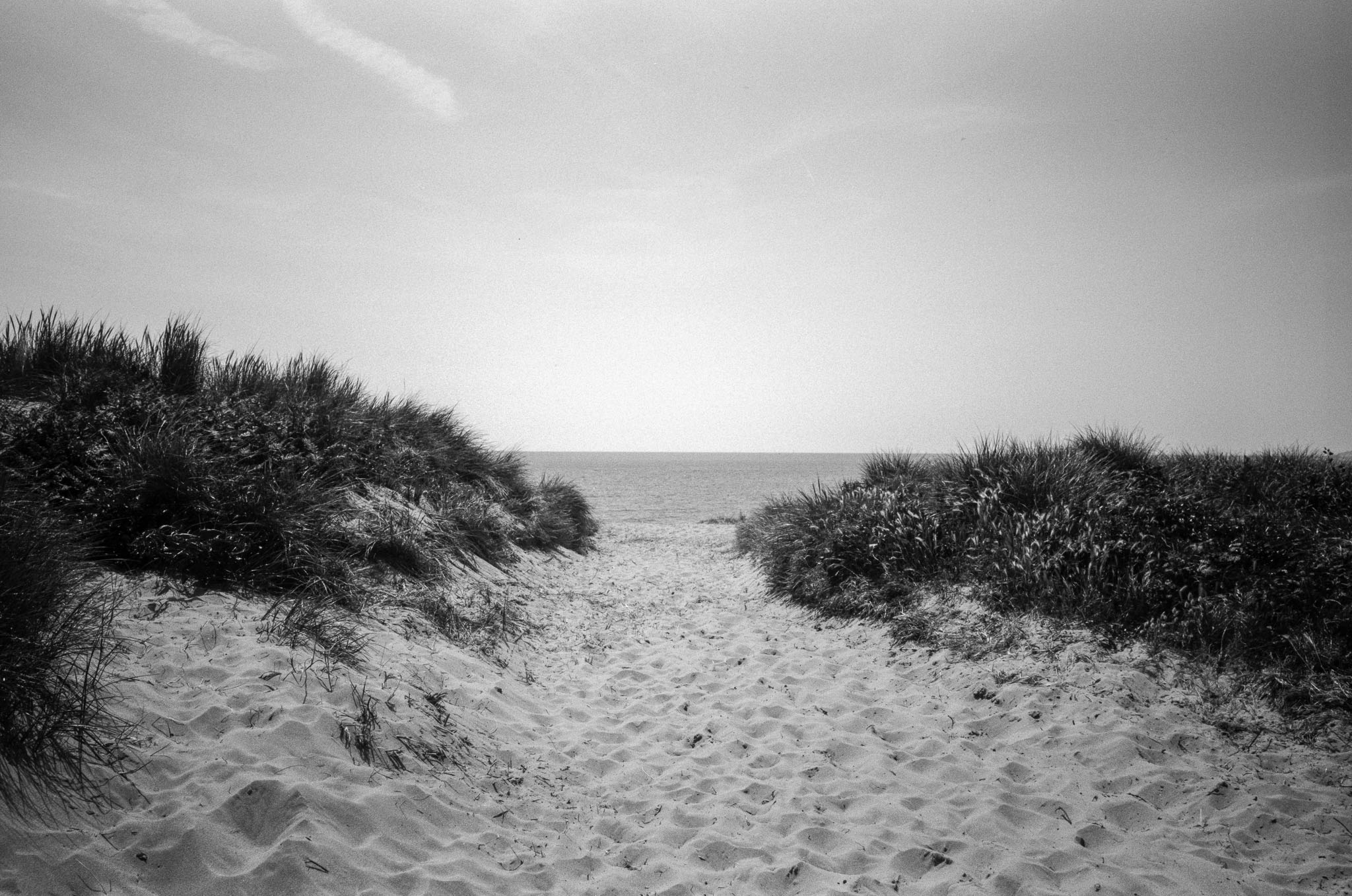
I’m considering my options, but I’m unlikely to replace it, it’s just too much money for a camera that could die at any moment. Getting it repaired is apparently an option, but it’ll be pricey and only offers a short respite from the ultimate truth, that the GRs I now love are a thing of the past.
I’ve been looking at the Leica mount Ricoh 28mm f/2.8 LTM as a possible option, it’s GR lens on a Leica mount. This would be cheaper than rehousing the lens I have, costs significantly more than replacing the camera, but probably has as much longevity as I can expect from a solution.
In the short term I have the RF 28mm f/2.8 on order, primarily as a lightweight video lens, although I’m excited to push through my ‘28mm is too wide’ issues and use it for travel.
Film Ferrania are moving gradually closer to making some form of fulfilment on their Kickstarter, with credits supposedly being issued to backers at some point soon. Now that I’m enamoured with P30 that will come as a bit of a boon, I’m clearly going to be shooting a bunch of this stuff.
As far as the Portra is concerned, it’s just further validation of my undying and bordering upon embarassing love of that film stock. It sat in the camera with a leaky film window and stayed awesome for nearly two years, two as it turned out, busy years.

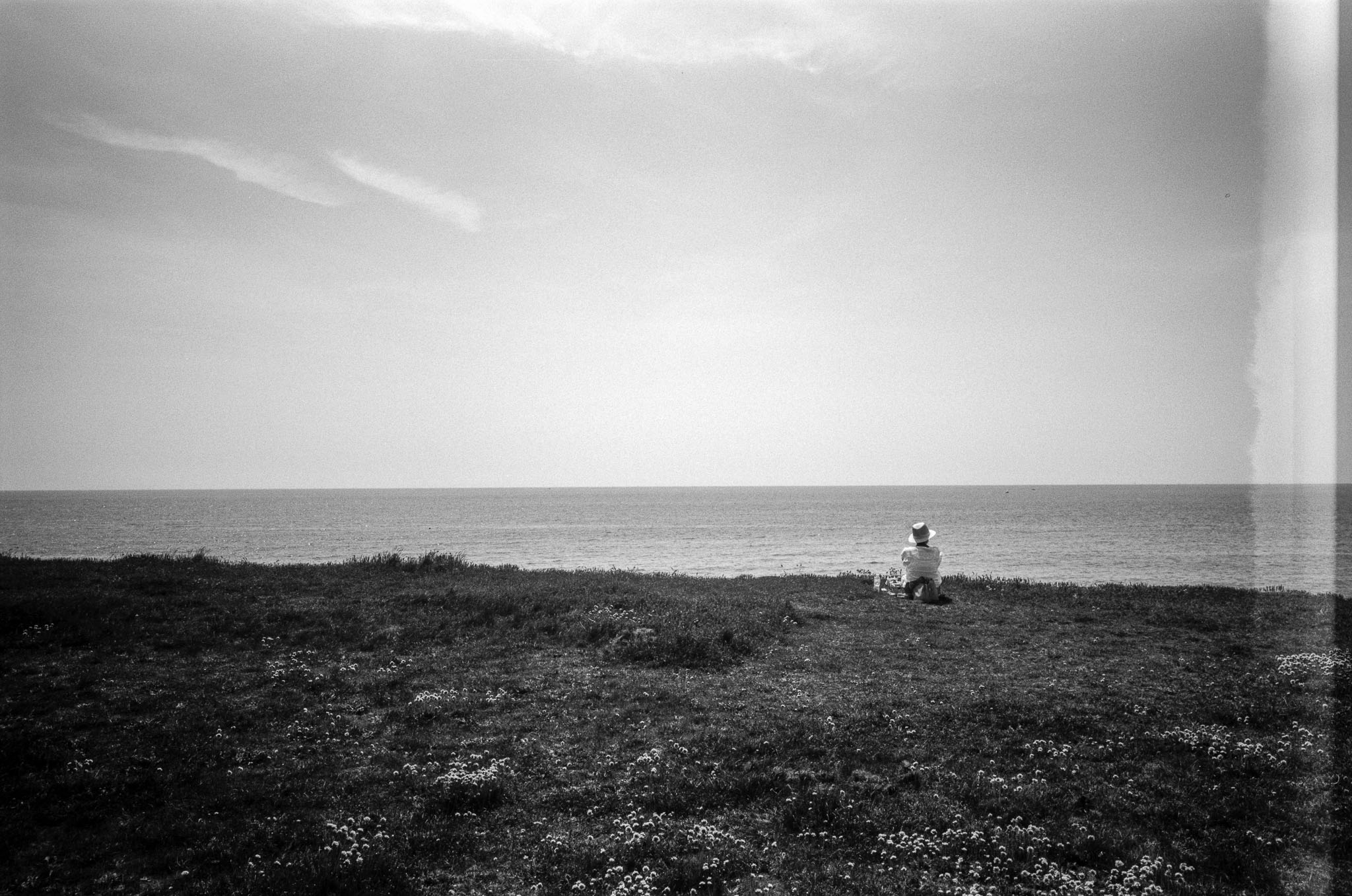
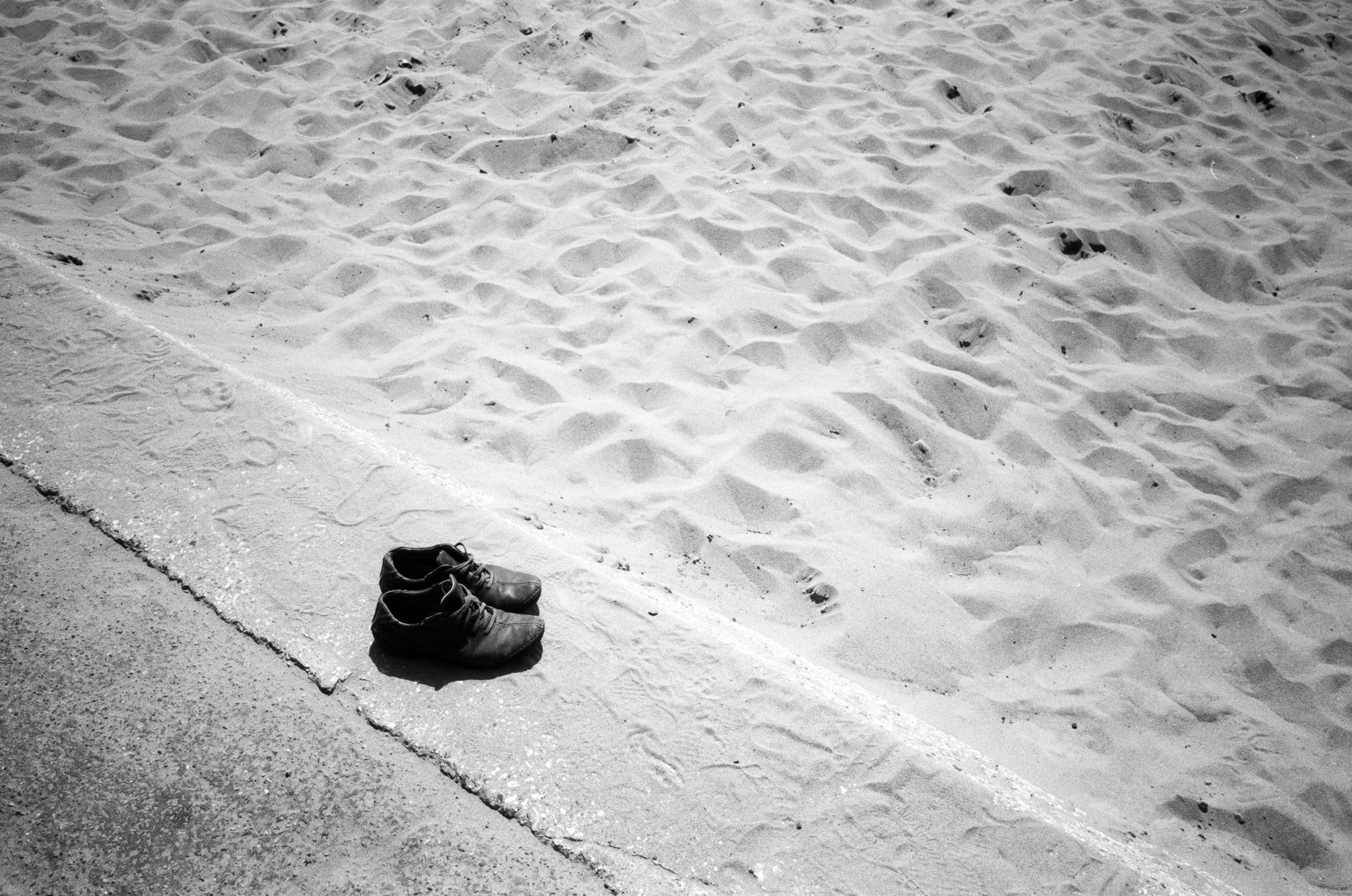
Rockwell Moment
I don’t have affiliate relationships but it might be useful to know that I get my cameras from London Camera Exchange, this film came from Analog Wonderland, and was developed and scanned by Silver Pan Lab.