
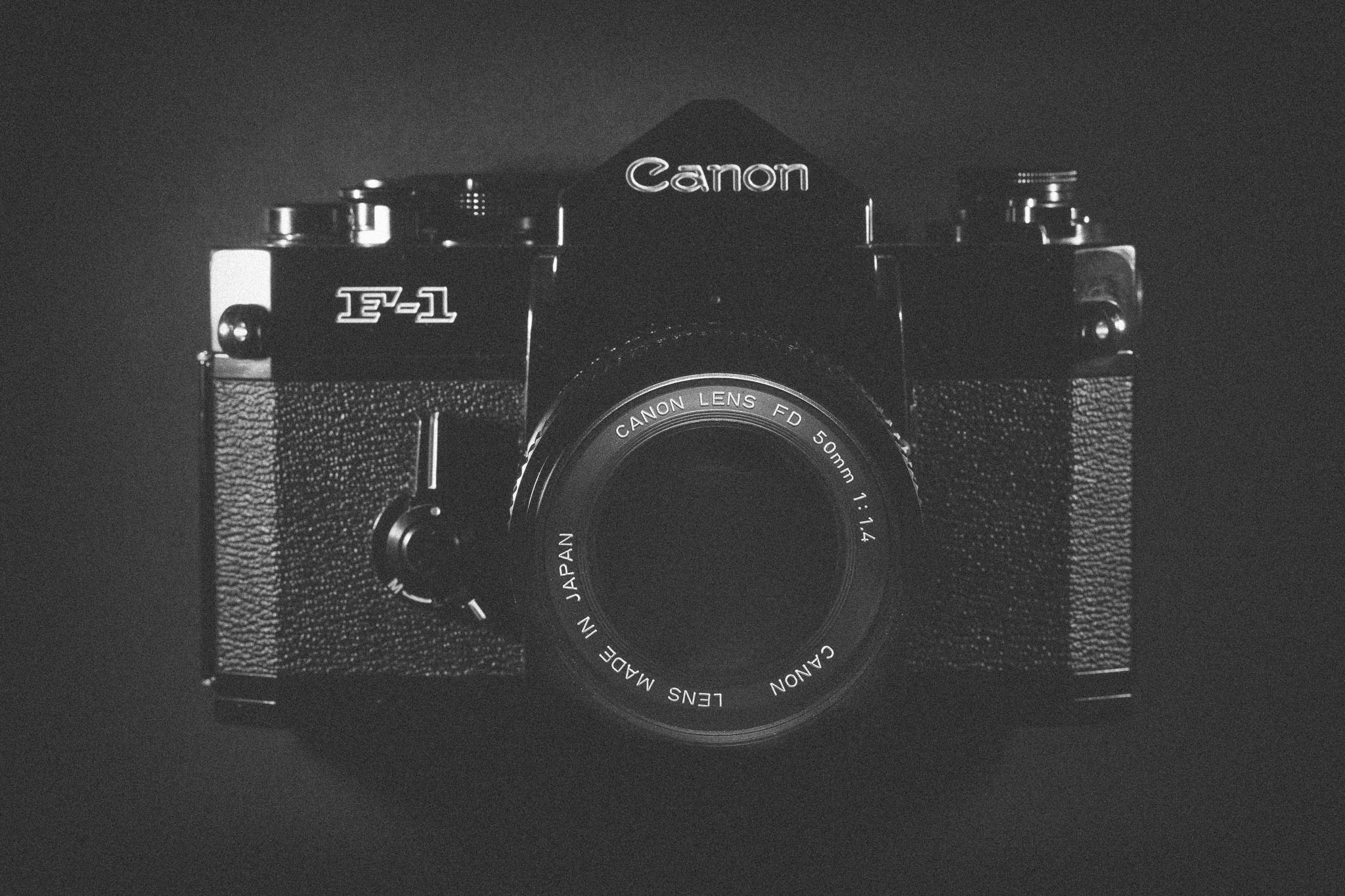
Definitive Example
My search for the perfect camera has been going on for as long as I’ve been taking pictures.
There has always been a camera that I want more than the one I’m using, whether it’s a new offering from a modern manufacturer, or a classic I’ve been lusting after for ages.
Modern digital cameras live a different lifecycle than the film cameras of the past, they get used up and superseded in a way film cameras didn’t. (This could just be 20/20 hindsight, but the Pentax K1000 was available to buy new and virtually unchanged for over twenty years. It’s hard to imagine that happening again).
Given the breadth of my interest in photography, I know that there is no perfect camera, no camera that does all the things I want to do. There might be a perfect collection of cameras however, and that’s what I’ve been trying to build for the last ten years.
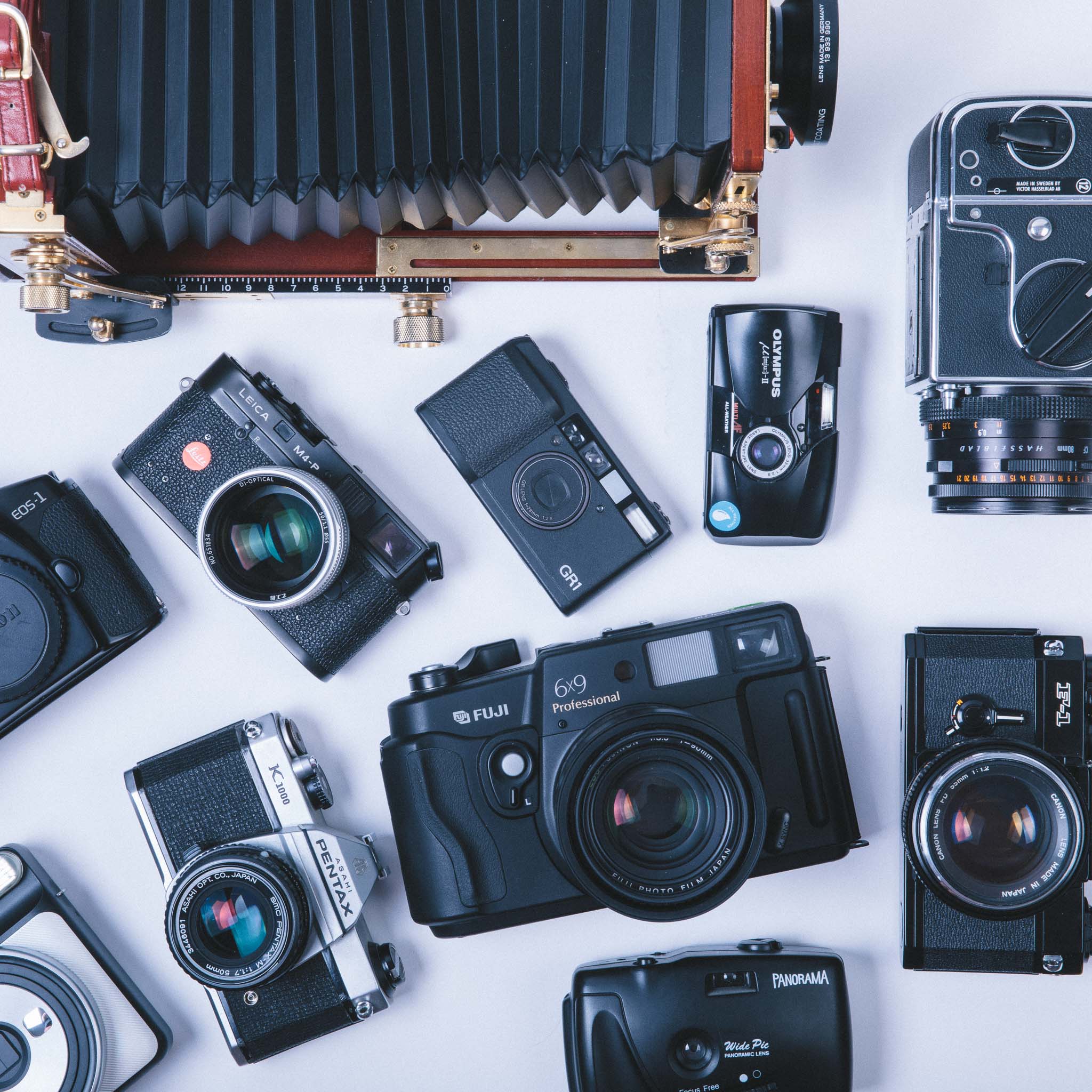
Within that search there’s the hope that I’ll discover the camera that surpasses its status as a machine-tool. One that becomes the extension of my hand, my eye, and my mind; the one that all artists search for. And with that discovery, I’ll find a route to an even more personal and unhindered photography.
It’s likely a fools-errand, (I have self-knowledge enough to know that I will probably always want for something), but the search itself seems like a valid pursuit.
It was with this in mind that I didn’t buy a really nice Pentax MX and 50mm f/1.4 combo at the beginning of last year. I decided that it made more sense to invest in the collection I had, it made more sense to fix the meter on my Canon F1.
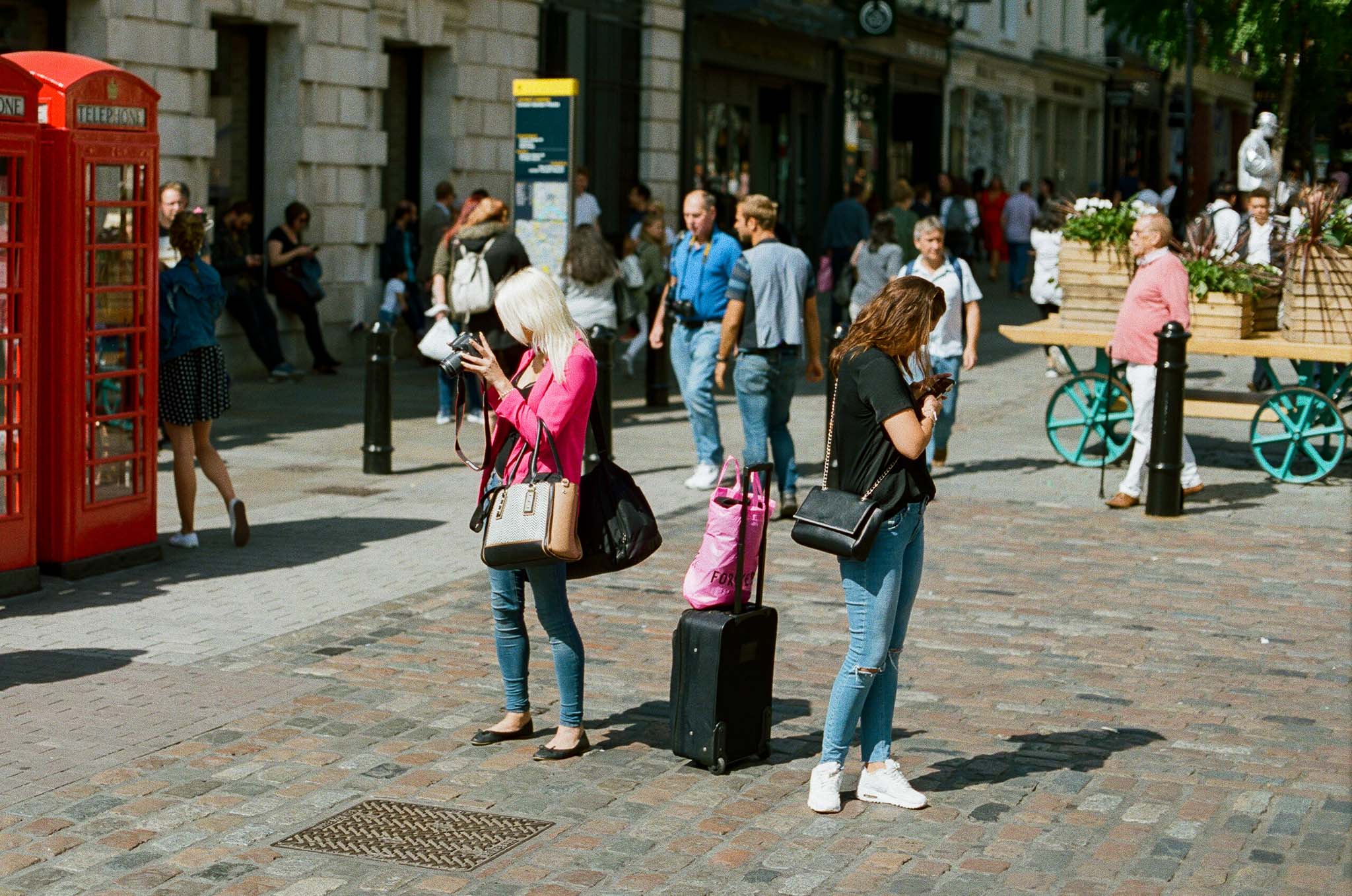
Canon F1 – 55mm f/1.2 – Kodak Portra – Winging it
I bought the F1 nearly five years ago, with a broken meter. In that time I’ve taken pictures I’m really happy with, either by guessing or by using an external meter. The camera has remained under-utilised though, not seeing as much action as it might have with a working meter.
There’s a flow and a confidence that comes with TTL metering, particularly with the kind of reportage photography that I do with the F1. I reasoned that internal metering would make it a freer and more versatile tool.
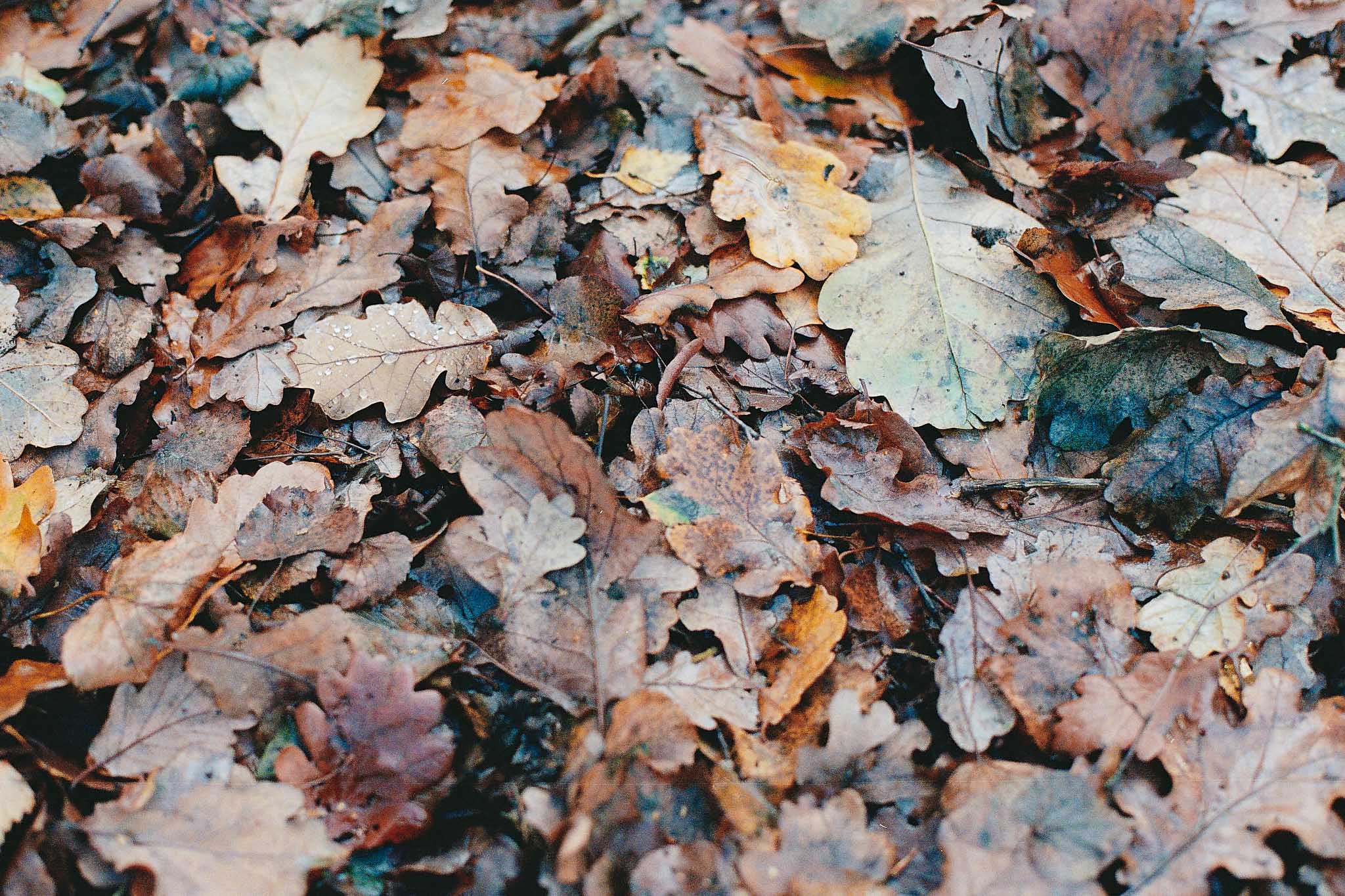
Canon F1 – 55mm f/1.2 – Kodak Portra – Winging it
A Redacted Story
The saga of the actual repair is long and boring. I spoke to numerous people, sent the camera away twice, and even bought a shoe-mounted meter for a camera that has no shoe…
As a last ditch effort I asked in a Facebook forum, expecting to have to give up, and was contacted by Rob at Vintage Cameras Galore.
Rob is an aerospace electrician who fixes cameras as a well-respected side-hustle. I sent him the camera and he fixed the meter, he also CLA’d it, replaced the light seals, and tweaked it for use with a modern battery.
I was suitably excited (and grateful).
View this post on Instagram
Tests
First tests proved successful, the meter was working as it should. They did however underline the weight and limitation of the 55mm f/1.2 that’s been almost welded to the front of the camera for the last few years.
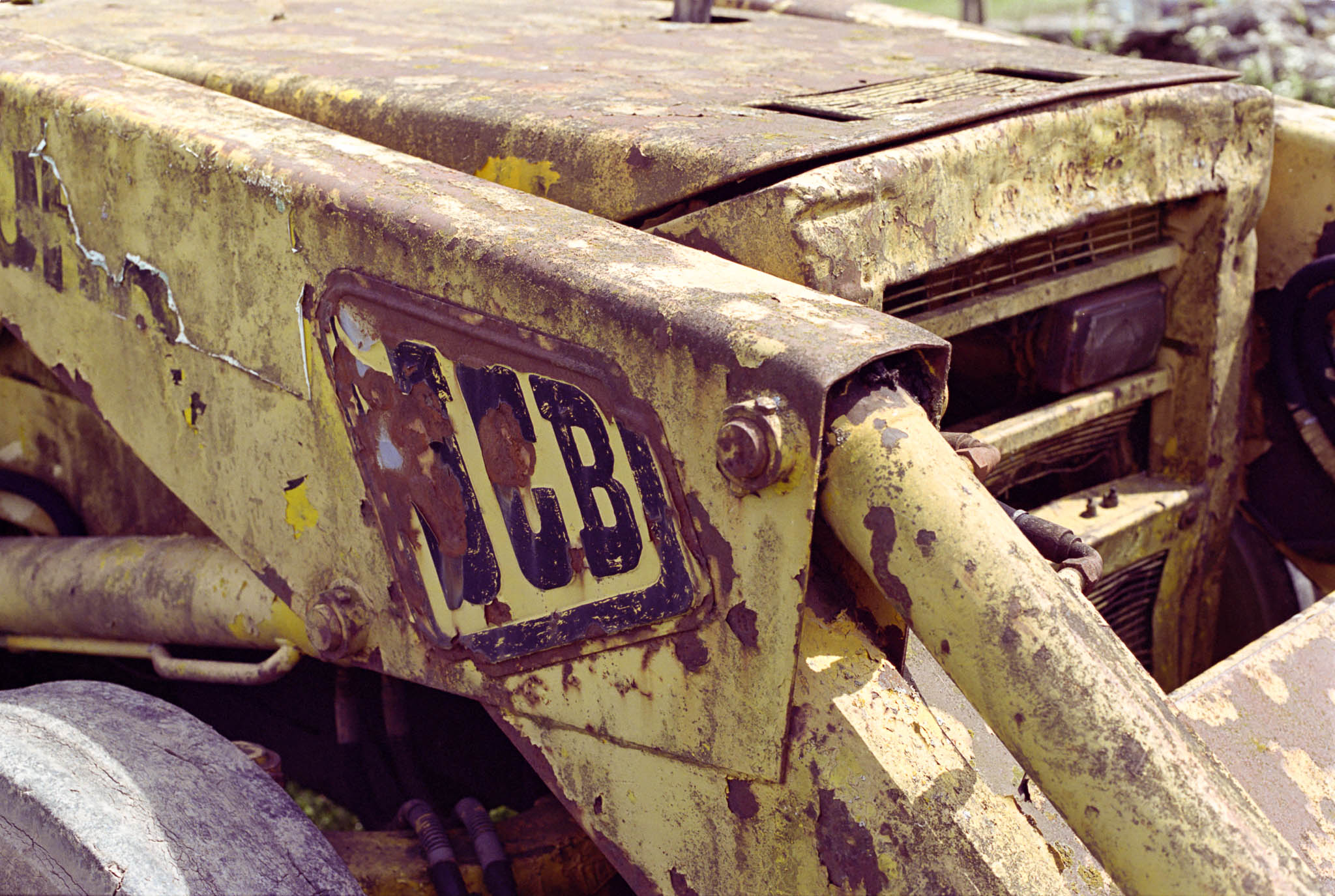
Canon F1 – 55mm f/1.2 – Portra (Internal Meter)
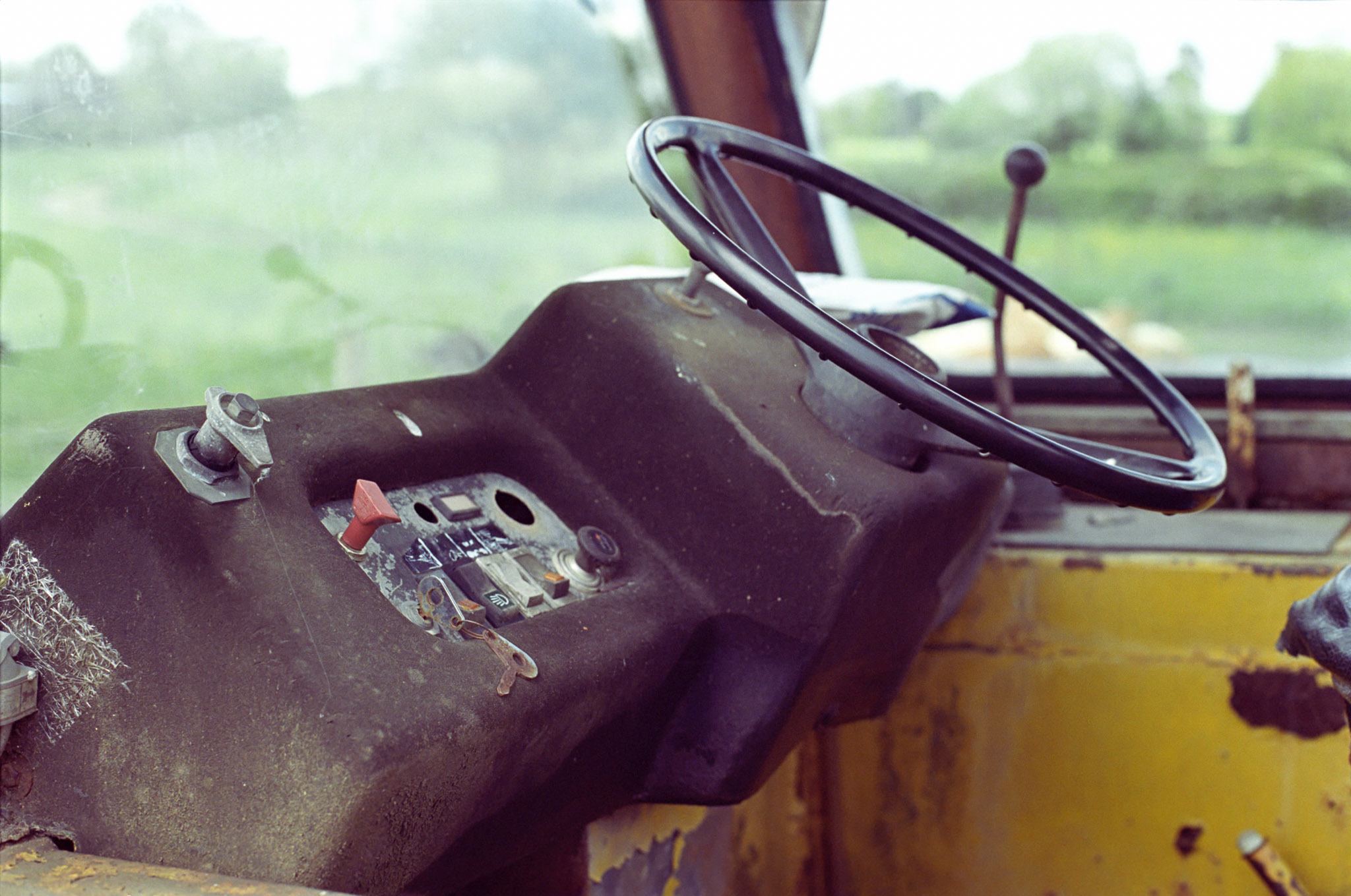
Canon F1 – 55mm f/1.2 – Portra (Internal Meter)
After briefly considering a geeky death-dive into mid-70s Canon lenses I resolved to buy light, cheap(ish) primes to complete an everyday set.
The new triumvirate consists of a newly purchased 50mm f/1.4. (It’s 300g lighter than my 55mm f/1.2 and doesn’t have the fiddly breech-lock bayonet.) I dug out my 85mm f/1.8 which I keep nearly selling, and borrowed a 28mm f/2.8 from a friend.
It makes for a decent daily load out, and I’ve given it its own bag. If I don’t need any of my other cameras with me, then this gets to come.
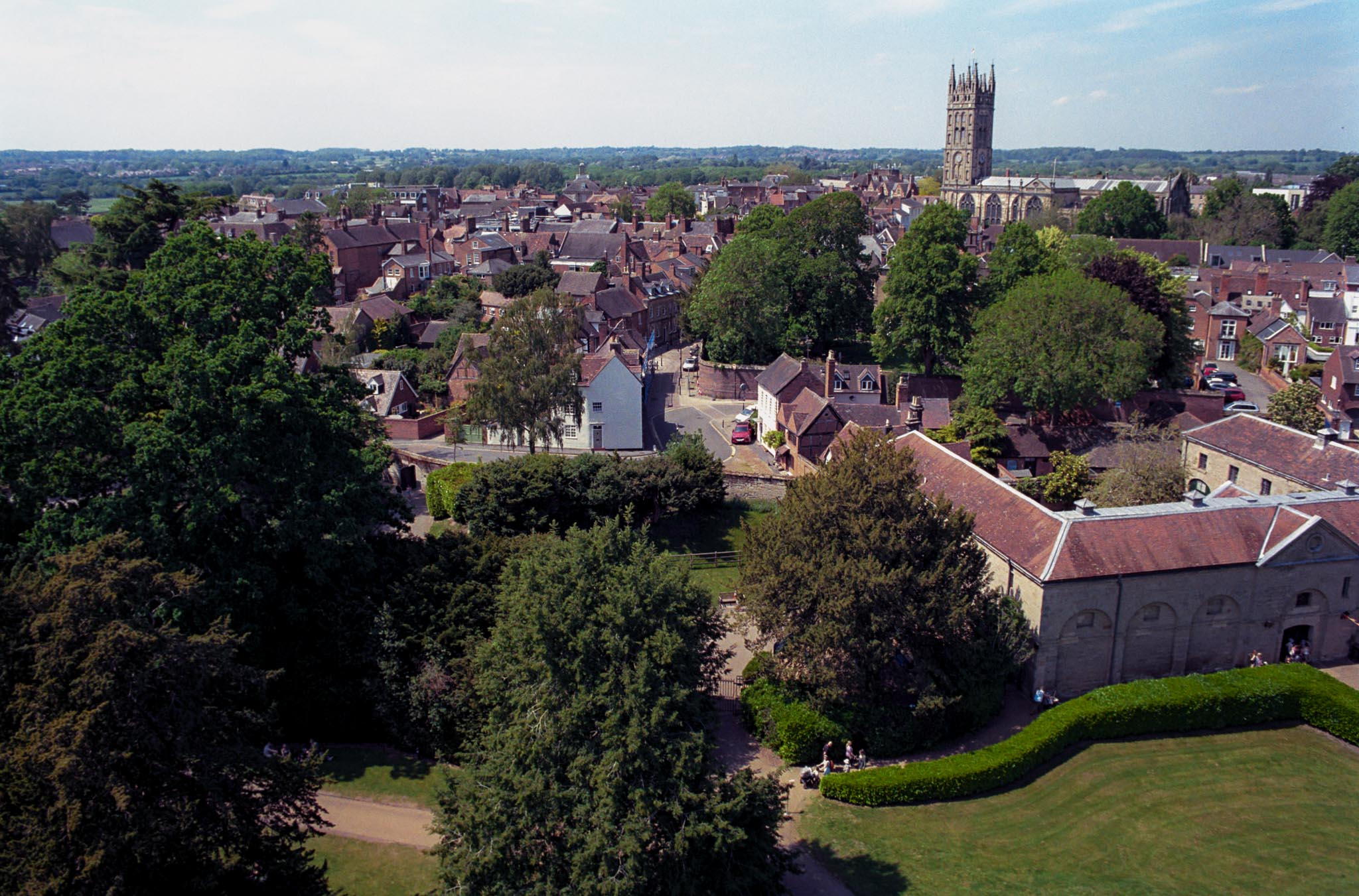
Canon F1 – 28mm f/2.8
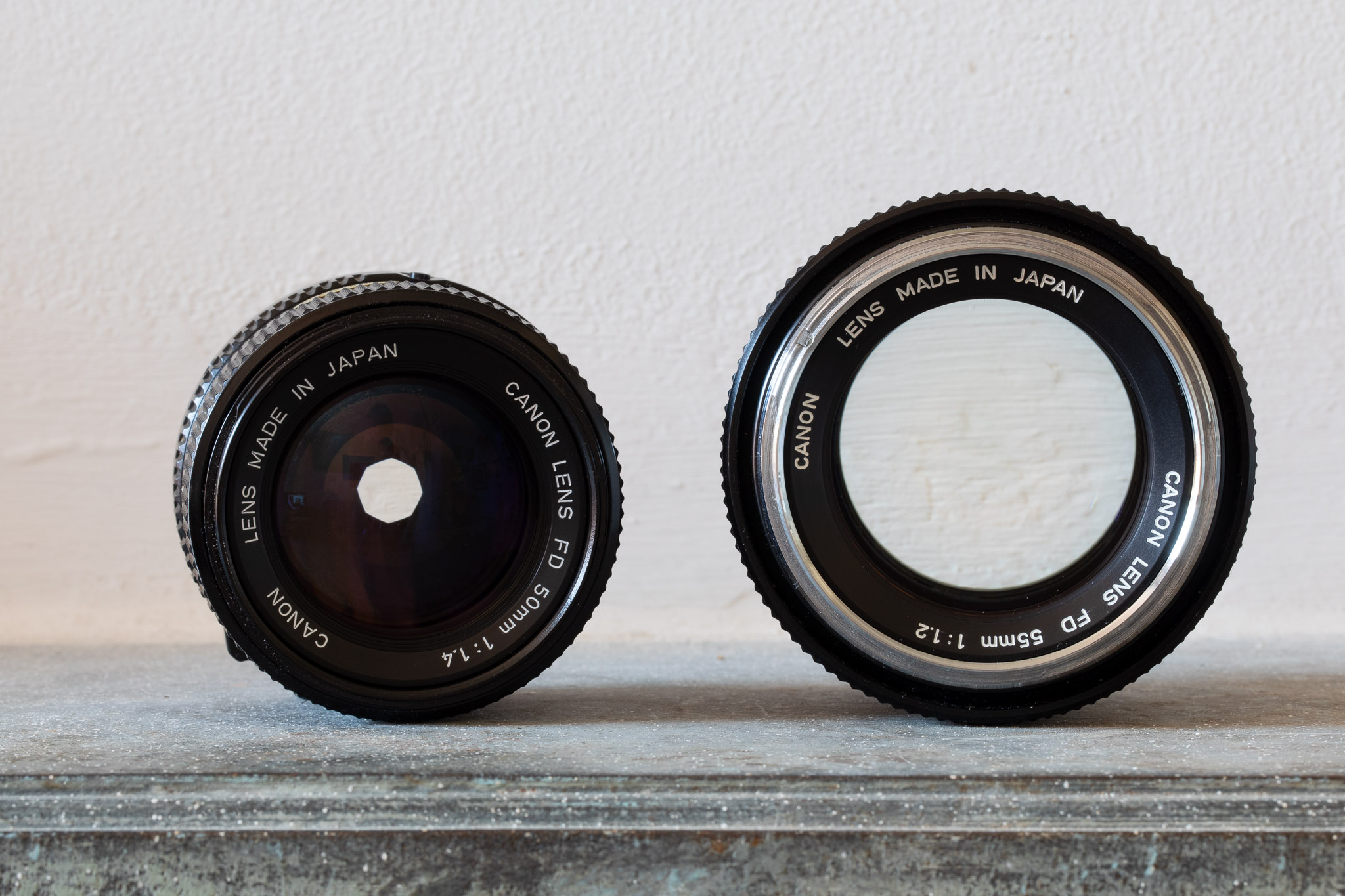
The 50mm f/1.4 next to the 55mm f/1.2

Canon F1 – 85mm f/1.8
Conclusions
I’ve continued to test the camera, with the new lenses, new film stocks, and a new lab. This combination of variables has made for an interesting time and some unexpected results, but all the extra use is helping to embed the camera. I can *almost* use it without thinking about it.
Massive kudos to Rob for not just fixing the camera, but bringing back some of its original glory. It has a really nice action, and you can feel all of its premium mechanical goodness. (The camera is coded March of 1981, meaning it and I were assembled at about the same time. If only I were as handsome and healthy).
I was happy with the 28mm but knew that I would soon have to return it and that I would need a wide. When the time came to source one, I got sidetracked and bought a 24mm f/2.8. It hasn’t arrived yet, so time will tell.
I haven’t decided whether I’ll part with the 55mm f/1.2, it’s just so pretty, and takes such lovely pictures. I won’t know for a while whether the F1 is going to be the camera that fits the impossible brief.
What I do know is that the combination of the newly serviced body, working meter, and the new lenses is as close as I’ve come so far.