You never forget your first…
For Christmas 1989 I received a Halina 160. It was my first camera and as such it occupies a special place in my head. It was the humble beginning, the seed from which something special sprang.
It lives in the story of my photography like the garage that Apple began in.
I opened it, learned how to load it, and shot my first roll that morning, as well as posing with it for my mum, (with the lens cover closed).
Recently, after some navel gazing, I bought another Halina 160, loaded it with Portra 400, and failed to go back in time.

The Camera
Alternatively marketed as the Miranda FGZ, Haking Quick, Haking CF35, and the Revue 150CF, it came to market in the mid-eighties and offers disposable camera performance in a reusable form.
The lens is a 33mm f/5.6 with fixed focus. The camera has a fixed unspecified shutter speed, (probably 1/125th of a second). It has a flash and an ISO selection switch and not much else.
Given its fixed focus and shutter-speed it has no focus or shutter-speed controls. It has no formal aperture control, tripod socket or shutter release connection.
The strap sticks out of the wrong side.
It falls to the ISO switch to offer the only exposure control on the camera. It changes the aperture, (which is a bit mental).
The camera is engineered to work at a particular exposure value and it balances increased film sensitivity by stopping the lens down, assuming that light levels will always be the same.
This leaves the film to do much of the heavy lifting in order to achieve results. The inevitable under and over-exposure that results from a set up like this gets smoothed out by the latitude of the film. This would not be a good camera to use with slide film.
You can open the aperture to its fullest extent, presumably to the advertised aperture of f/5.6, by operating the flash switch. This activates the flash, which for this roll had no batteries in it and also opens the aperture all the way, regardless of the ISO selected.
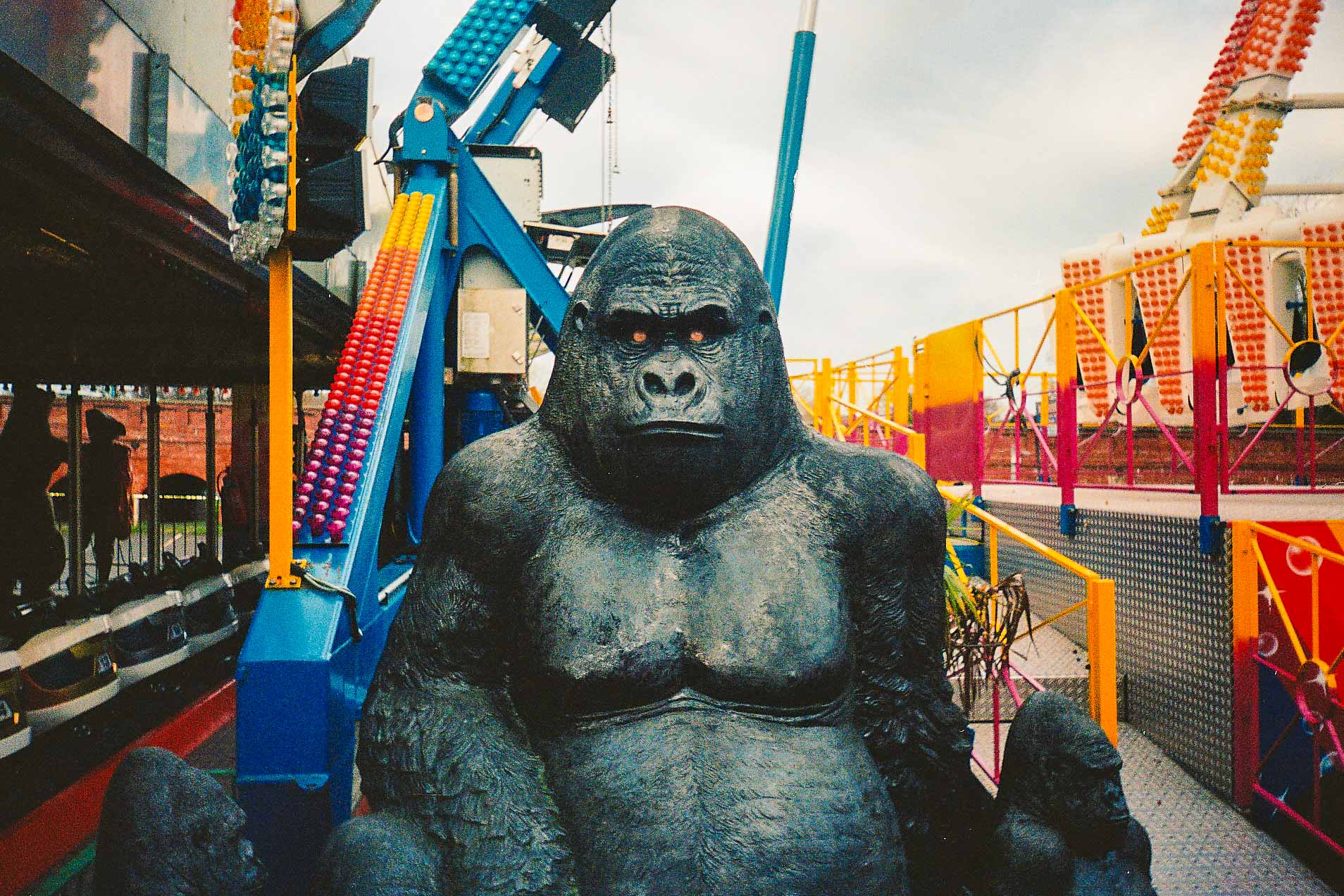
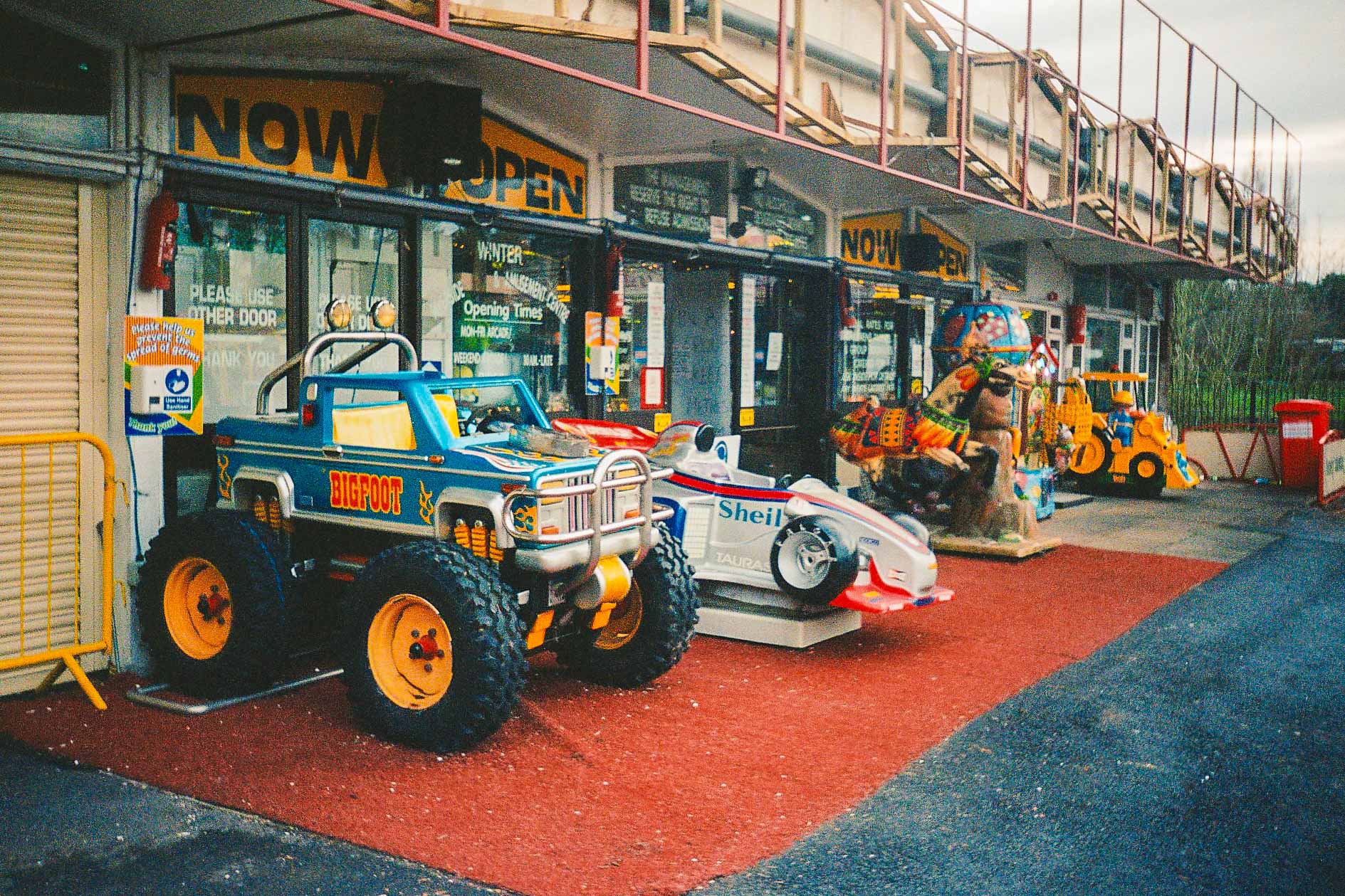
With no way to focus and a soft lens I decided would just shoot this roll nearly wide open, at iso 100/200.
Memory Lane
I have fond memories of this camera even as I remember being thwarted by it. I remember there were images I wanted to make that I couldn’t and my mum explaining why it couldn’t take this or that picture.
I remember forgetting to use the flash and not getting pictures, blurry close-ups and wonky horizons, of trying to make a roll of film last a whole holiday.
I remember the expense of photography, and a very high failure rate.
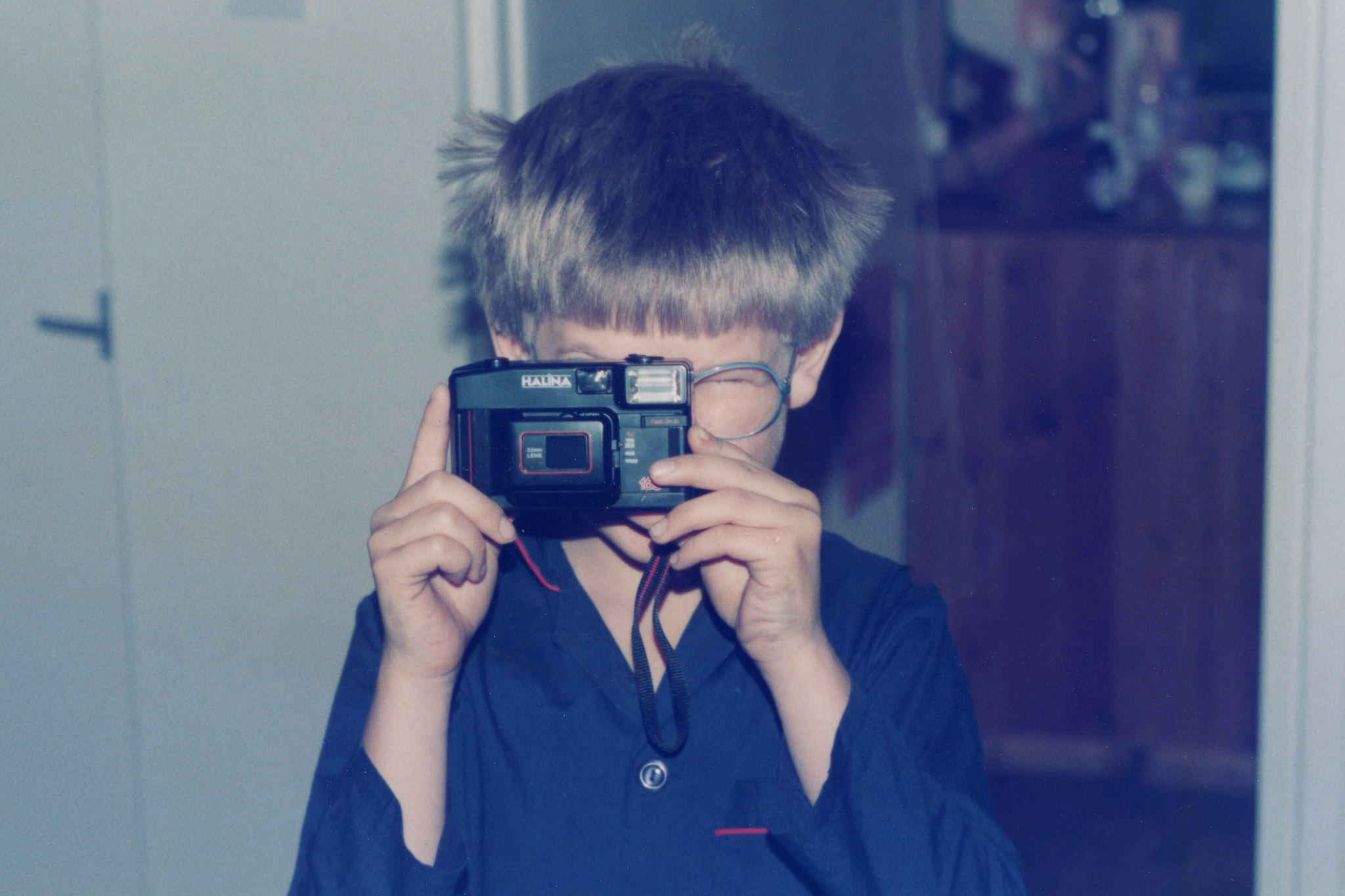
1989

2021
Coming back to reality
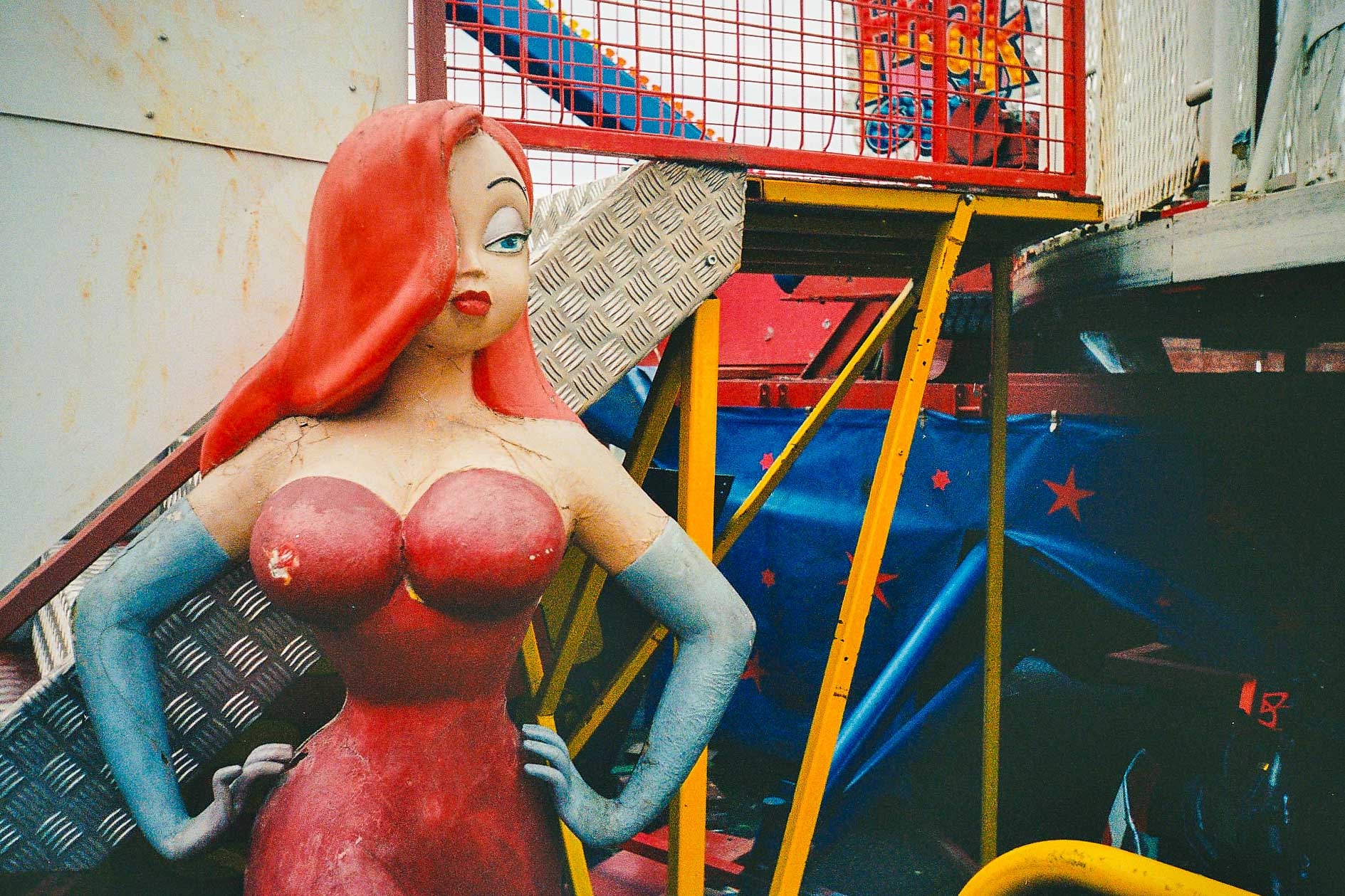
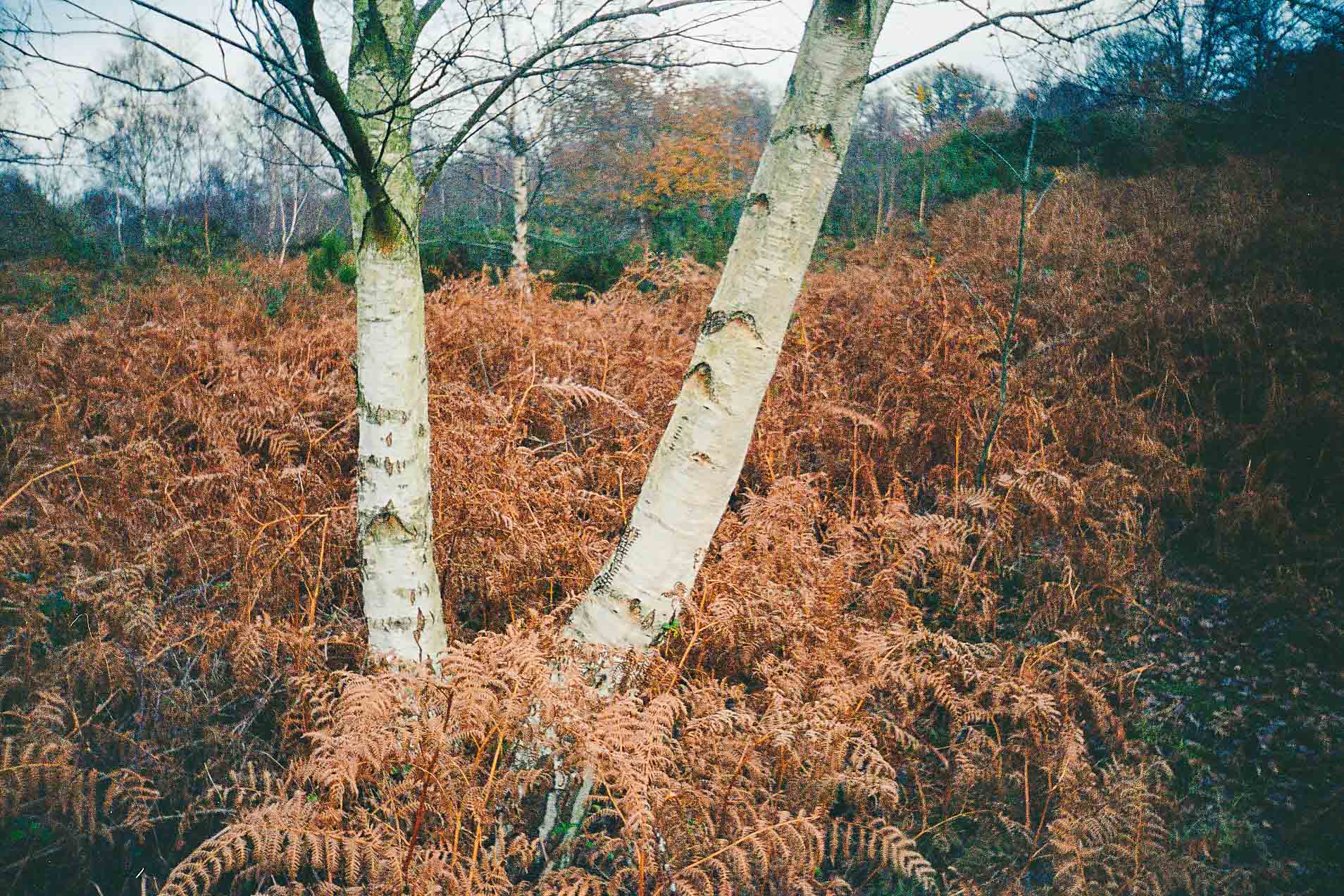
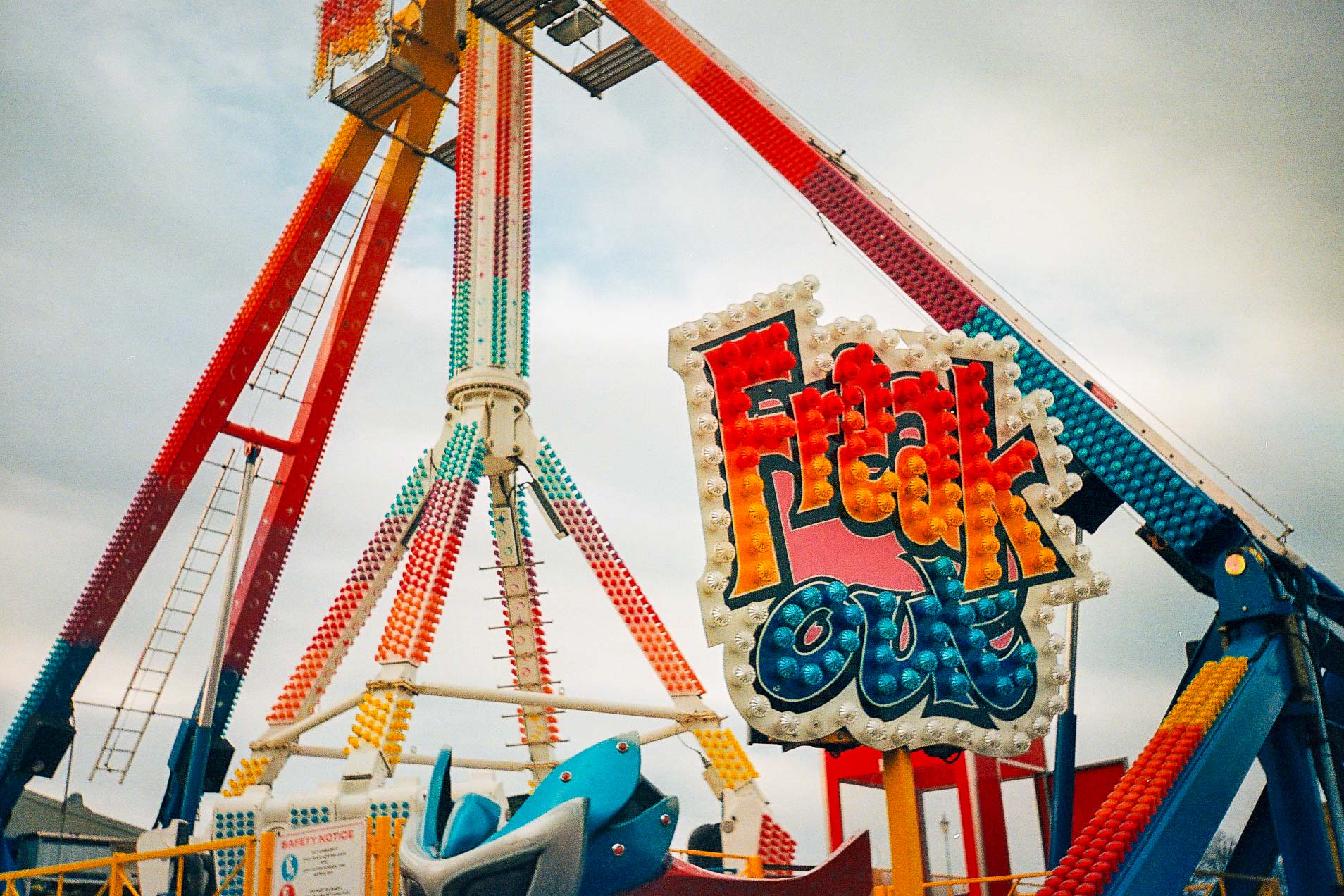
Shooting this roll has been an interesting exercise and I have a clearer understanding of what this camera does well.
It works best when your subject is in the middle distance, when the background is more than just context, and you aren’t too worried about quality.
The Halina 160 is not a good camera, but I enjoyed shooting it again. The almost complete lack of control is incredibly freeing, there’s nothing to adjust or tweak, you just take the picture and wind on. Sliding the lens cover over locks the camera up nicely, it weighs almost nothing, and it fits in a really big pocket.
I can’t remember for the life of me what happened to my original 160. After a while I inherited an Olympus Trip S, which had a sharper lens and an automatic frame advance, (which impressed me greatly).
For Christmas in 1999 I received my beloved Pentax K1000, also from Santa. (He’s been extremely good to me over the years.) He surpassed himself again in 2008 when I received my Canon 1000D, my first DSLR.
The fact is that while the Halina 160 was my first, I learned more from my Pentax, and more again from my Canon. As with so many things, the first is important, but only up to a point.

Foreshadowing a yellow jersey…
Final thoughts
My original plan was that once I’d written this piece I would give the camera to my son. We would then share a first camera.
While I was shooting the roll I realised that he would benefit from learning on something more rugged and also cheaper to run. Something he can take control of and experiment with.
The Halina 160 is, in the story of my photography, a bit more like Google’s garage than Apple’s, a bit of a fable. It can be a fable for him as well. He’s isn’t four yet so it will be a while before we shoot it together. He’ll do some learning on something else before we do.
The Halina 160 however will always be our first camera.
(Hopefully he’ll let me borrow it to shoot some XP2, and to have a go with the flash).

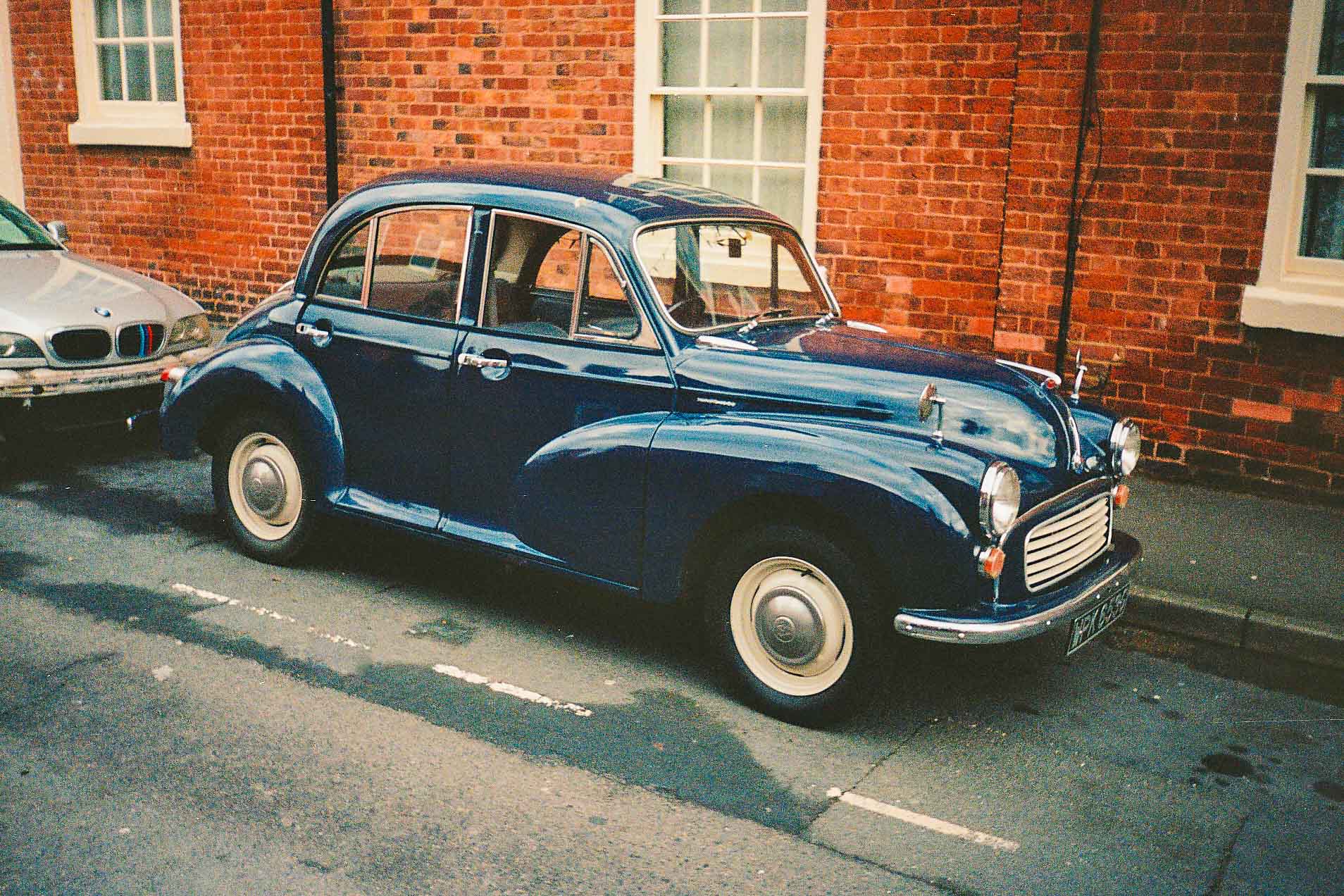

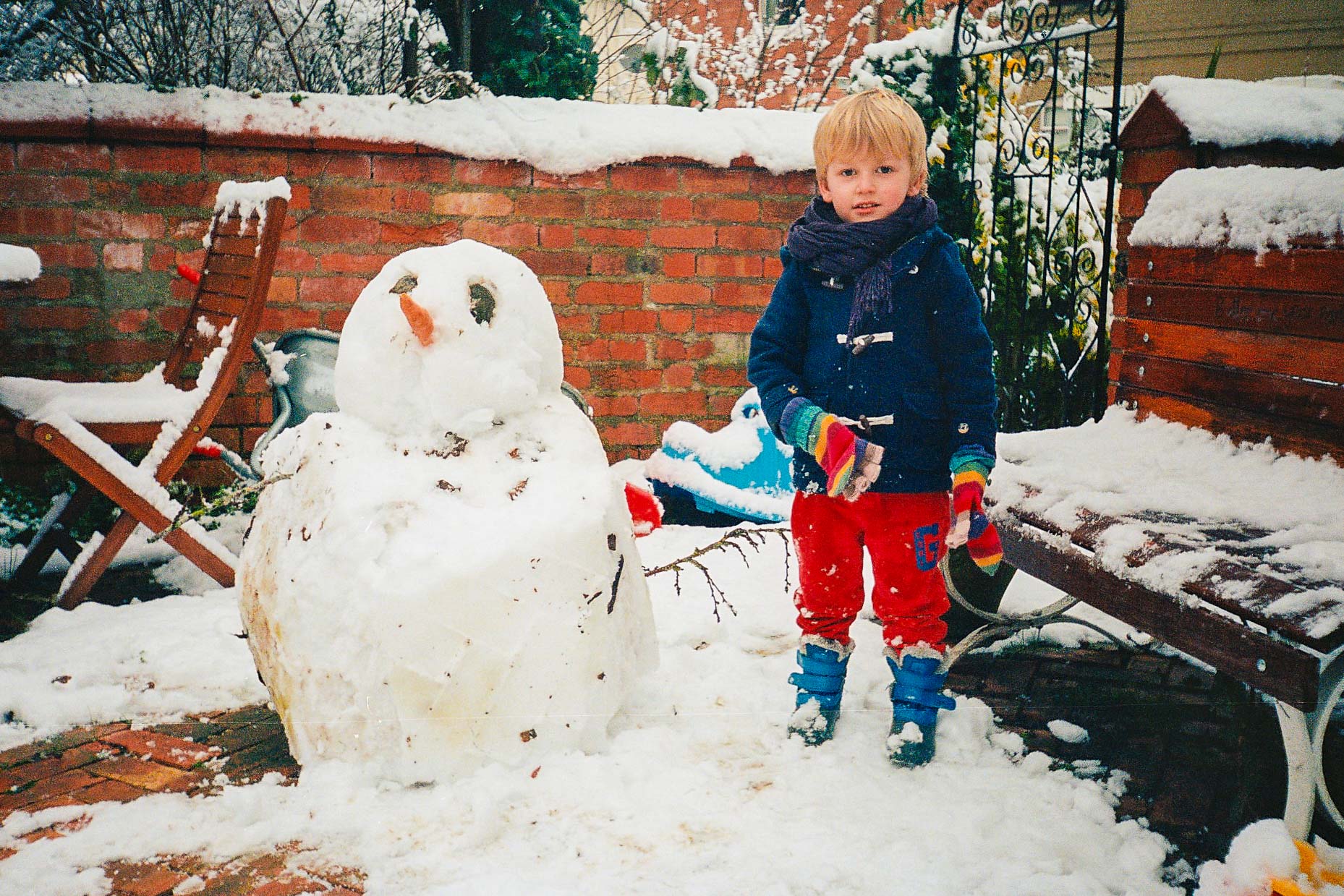
The intern is the fellow on on the right…