Schrödinger’s degradation
It’s been said that your vision rarely translates onto a negative, what remains is stripped further when it comes to the print. Images shot on film exist in a quantum state, from the moment the shutter is pressed until one sees the images produced. Schrödinger’s images are trapped in a binary state: they are poorly considered, dreadfully composed and ineptly executed; while simultaneously constituting a tour-de-force, a masterpiece, your triumph. Once the images are developed they take their shape. Often ho-hum, they are a precis or truncated shadow of your original idea, the cat is alive, but is not a nice cat. There is the occasional ecstasy of perfection, a moment when everything worked. Where the concept has gone beyond homage and the execution beyond practiced technicality, something has been created. The cat is not just alive, it is the very embodiment of cat, expressed in cat form.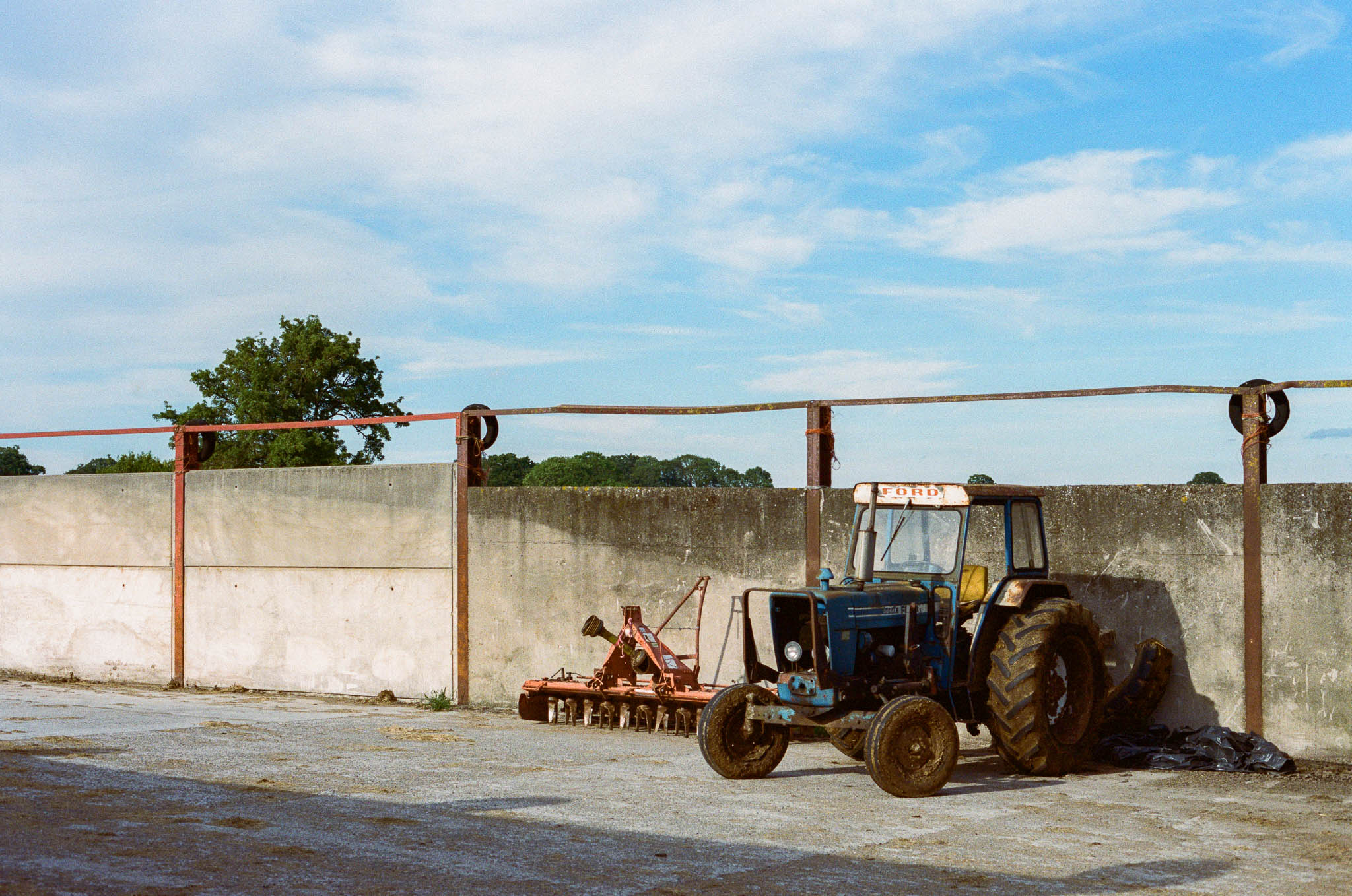
The dead cat roll
The antithesis of this is the crushing, missing, failing feeling of the dead cat roll. Nothing was working either technically or conceptually, the pictures are boring derivative dross. You should sell all of your cameras and go and live in the woods. This is ‘la petit mort’, the climax of anticipation is dashed as you stare down at the images you thought might change the world. There have been a few dead cat rolls over the last few months. The first half of this year has felt a bit dead-catty. The more I’ve tried to reduce friction in my analog practice, the more louche and pointless the results have been. Shooting Portra and metering loosely, has enabled me to shoot more of it in a more carefree manner. The results lack the gravitas I’ve failed to imbue them with. Shooting film has once again become theatre, and I have been rewarded with precisely the images I deserve.
Portentous times
This came to a head a few months ago. I decided that I couldn’t afford some of the things I wanted because I insisted upon shooting film all the time, and that that money could be better spent elsewhere. (This is true.) I announced that I was done with film, probably, for a bit. The audience for this portentousness continued with what he was doing. He’s a good friend, and has become accustomed to these pronouncements over the years. After such weathering drivel as “which camera bag would most eloquently sum me up as a photographer”, and “owning that camera would bring death to my enemies”, he is able to roll his eyes and move on. He also knows me well to know that, only a few weeks later, I would still jump at the chance to get my paws on a Canon EOS 1.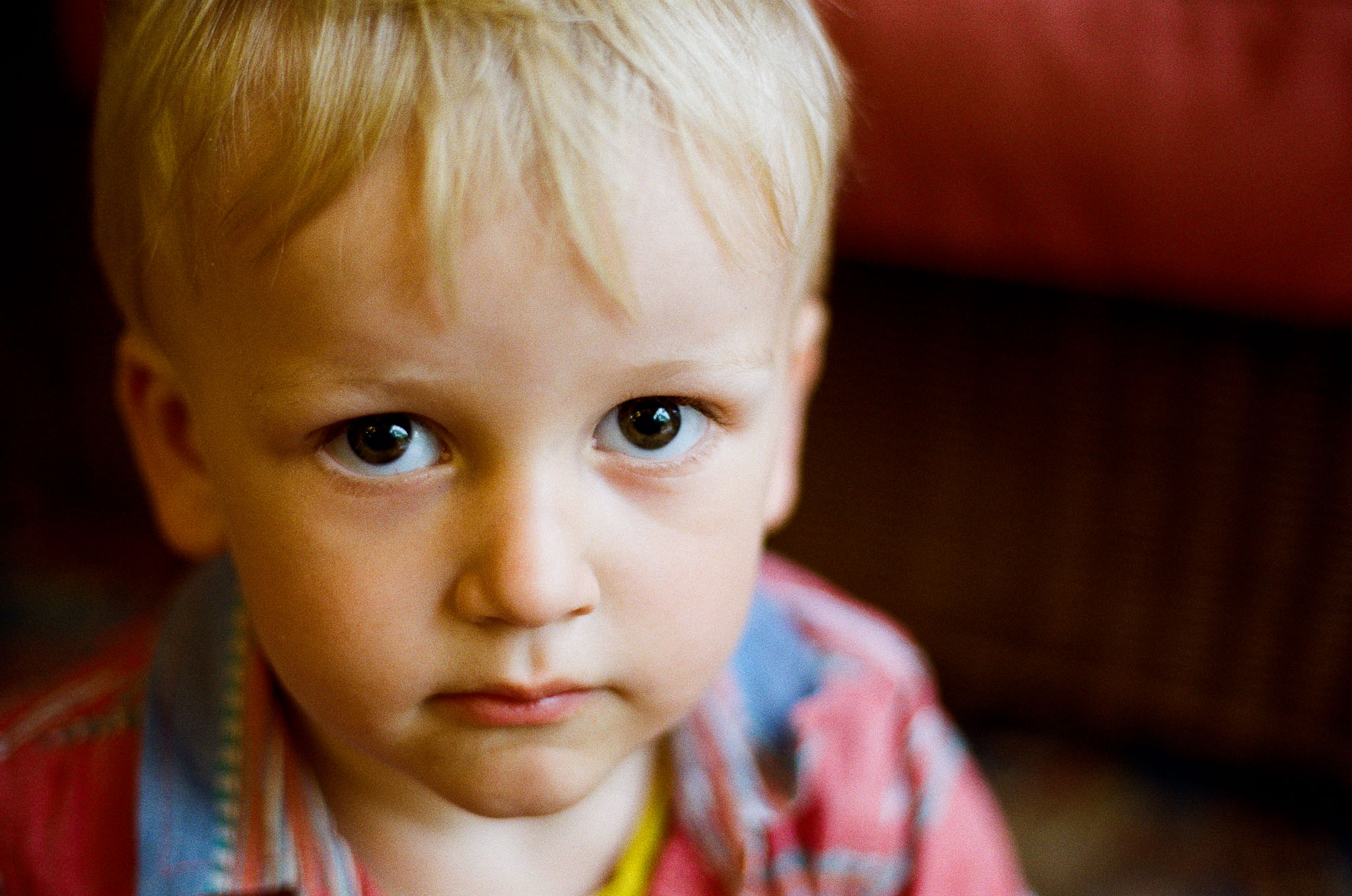
History
My history with the EOS 1-Series is the stuff movies aren’t made about. I’ve now owned for a short period at least, each of the 1-Series 35mm models produced between 1989 and 2018. Perversely I’ve managed to do this in reverse order. A brief stint with an EOS 1V, a camera that was officially discontinued in 2018, convinced me that I had to go full frame and got sold to help pay for the transition. A briefer stint with a 1N involved shooting a few rolls before admitting that the EOS 3 I had in my collection was fine on its own. The EOS 1 was in production between 1989 and 1994. This means that the very nice example in my camera bag is between 25 and thirty years old. It was the first of the pro-spec SLRs in Canon’s then new EOS range and feels like the natural successor to my F1. The 1-Series DNA is immediately established, (much of the control system is there to be found on the current 1DX Mark II). The other 1-Series cameras I’ve used have all felt so silmilar to the 5D bodies I use every day that I tend to shoot them in the same way, as if the film won’t run out. The EOS 1 has a single AF point which sits in the centre of the focusing screen, this helps to slow me down.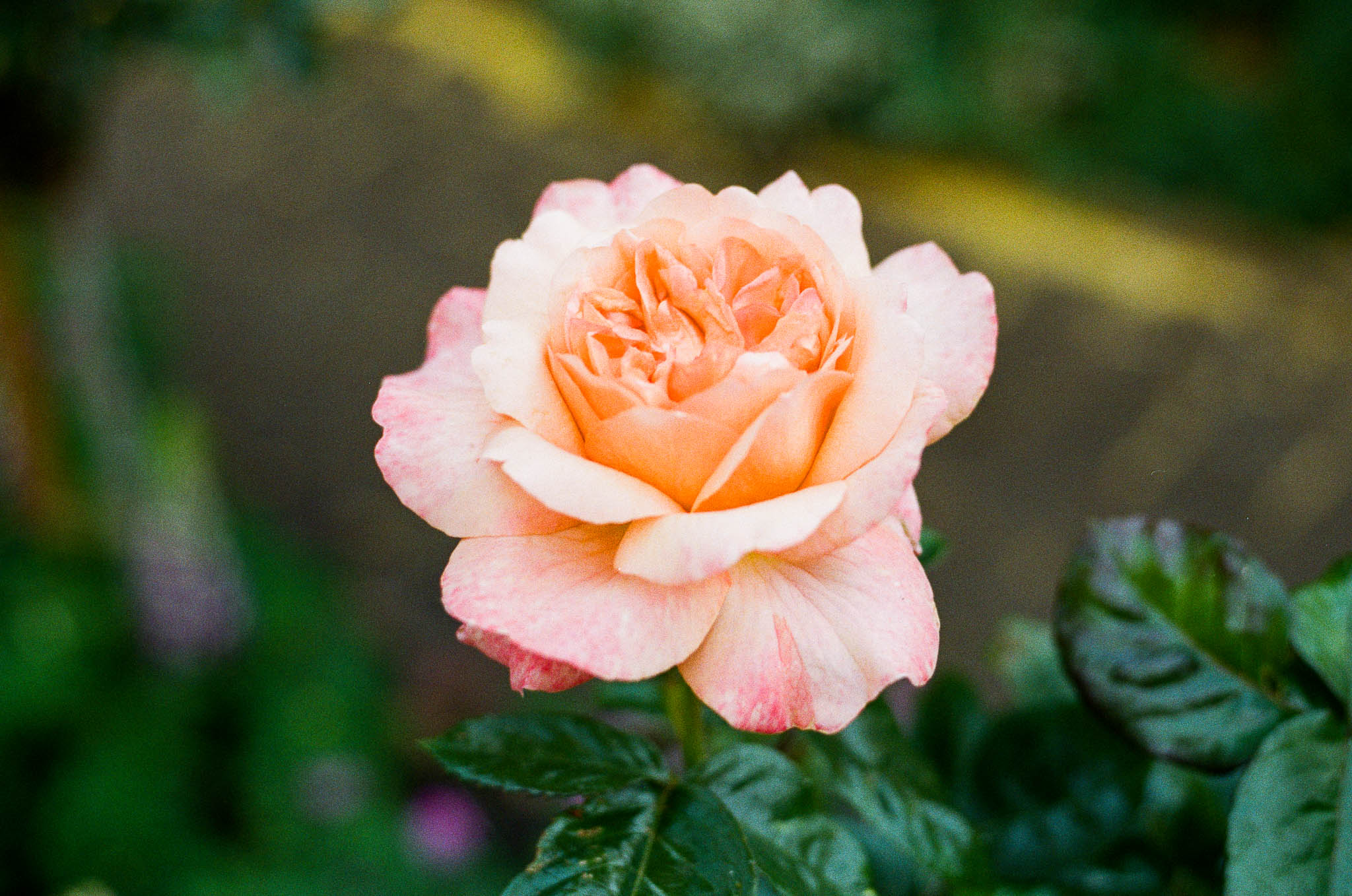
Conclusions
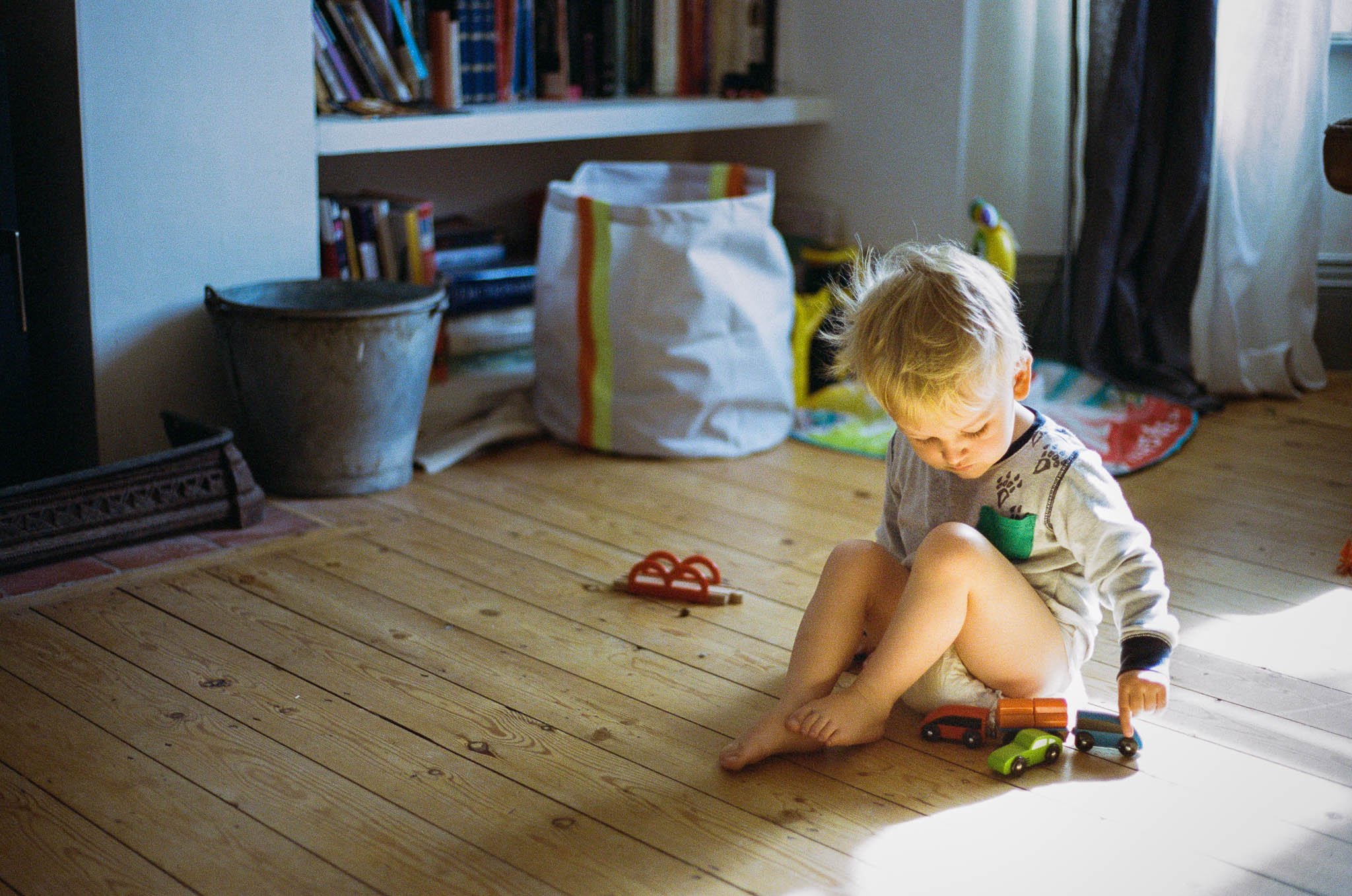
I’m clearly not done with film, whatever I might have said. The thing about la petit mort and the dead-cat roll is that they have to exist in order for the glorious ecstasy of success to be real. I don’t expect all of my films to produce masterworks, but I do expect them to produce keepers. Whatever else the EOS 1 may do for me, it meters beautifully, giving me the spontaneity and the fluid experience that I want from photography. The single AF point provides just enough friction to stop me from blatting through rolls of film without thinking about it and the display in the viewfinder reminds me if I’m doing something stupid. The first two rolls through the EOS 1 have been Kodak ProImage 100, and Portra 400, before I shoot my first roll of the new Ektachrome. Both have produced keepers and I’m particularly pleased with the shot that heads this post. There is a pleasant lack of theatricality with the EOS 1. Film is loaded quickly and simply, and aside from the whine of the frame advance it looks and sounds like a DSLR. This is good for me, I need to get back to shooting film for the right reasons, to focus on results rather than theatre. Besides, the cats deserve to escape the little death. Captioned gallery below –
bean
Canon EOS 1 – Canon EF 50mm f/1.8 – Kodak ProImage 100
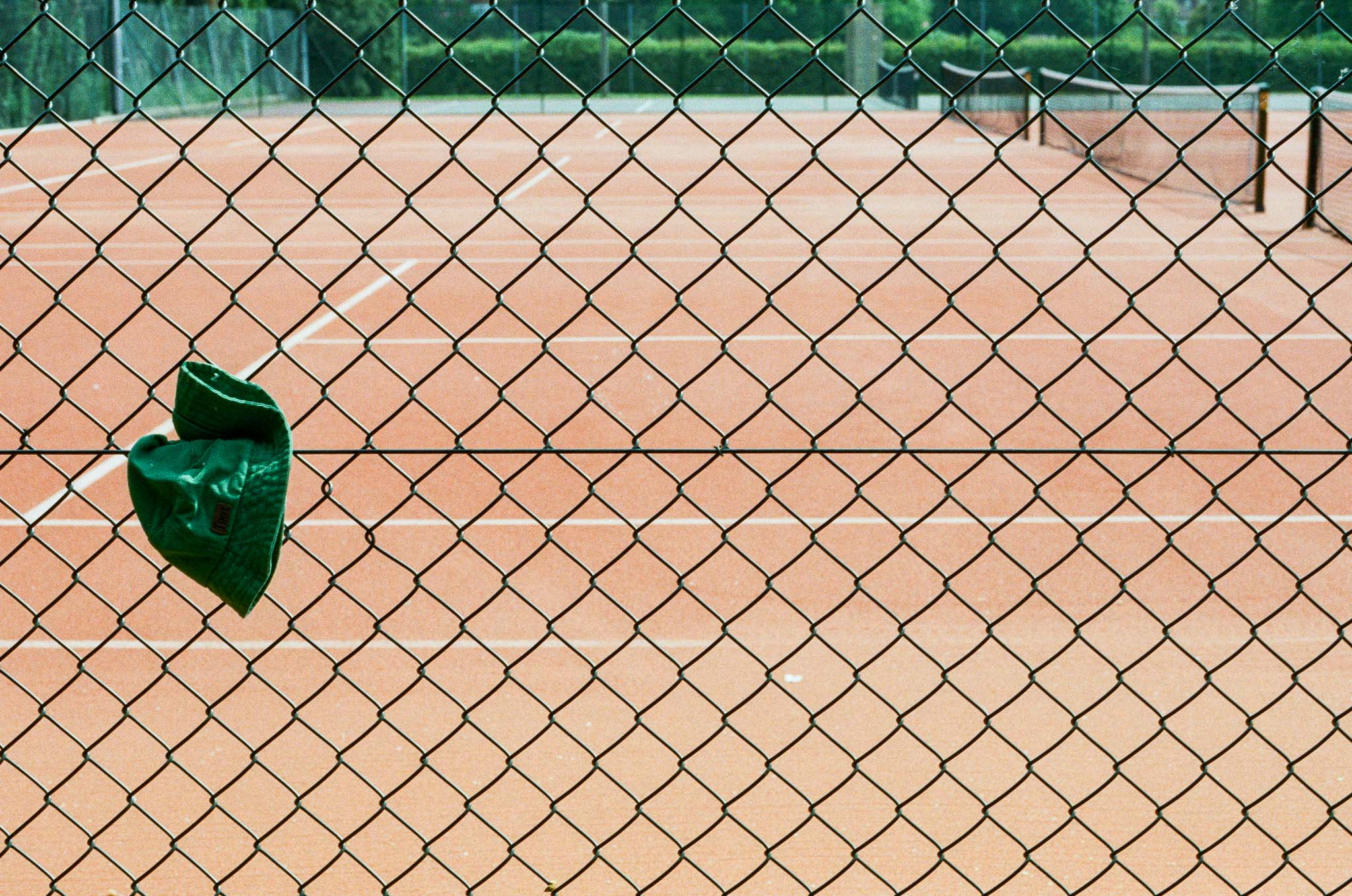
Lost Property
Canon EOS 1 – Canon EF 50mm f/1.8 – Kodak ProImage 100
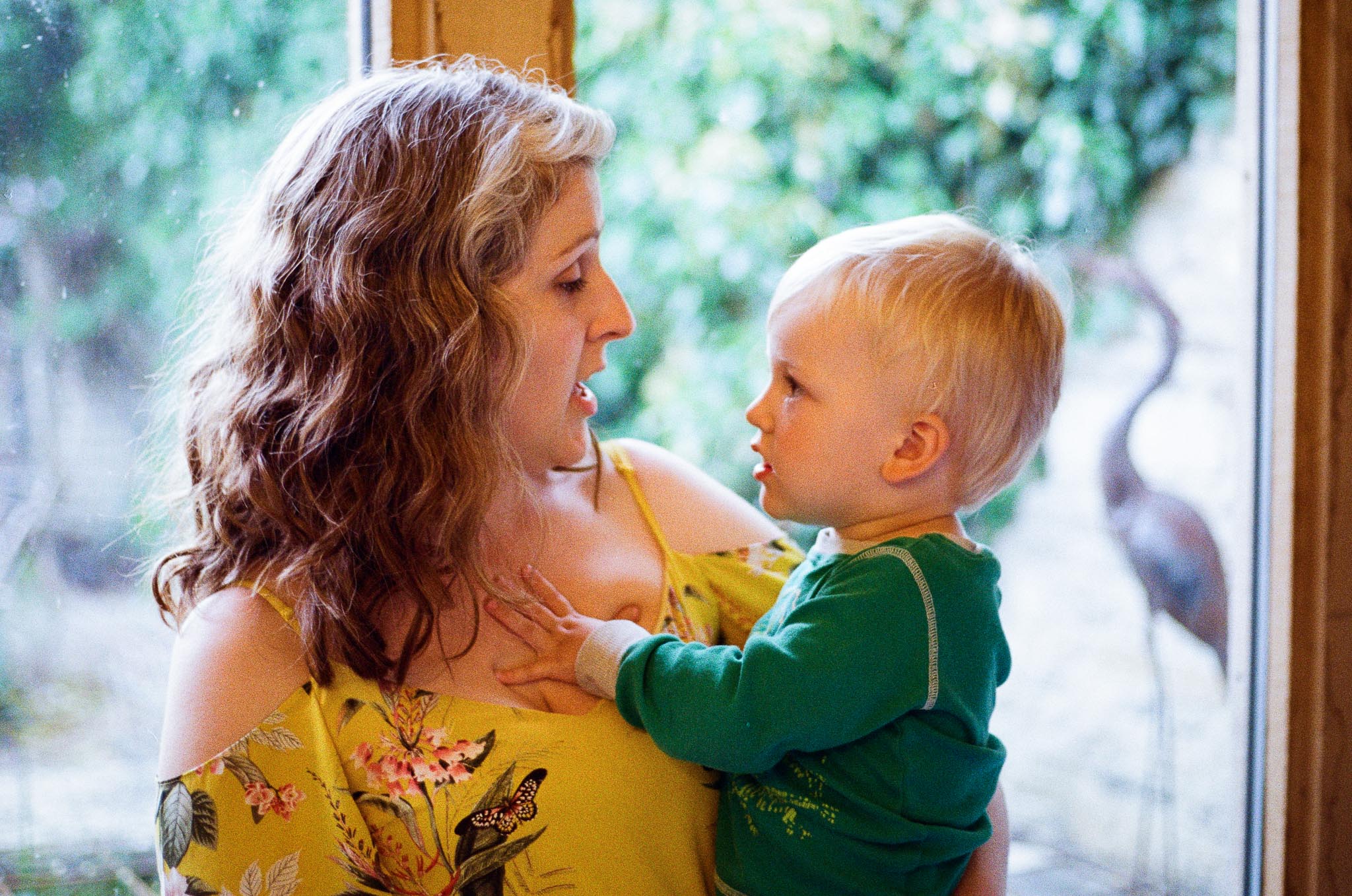
Sing to me
Canon EOS 1 – Canon EF 50mm f/1.8 – Kodak ProImage 100
Rose
Canon EOS 1 – Canon EF 50mm f/1.8 – Kodak ProImage 100
Old Ford
Canon EOS 1 – Canon EF 50mm f/1.8 – Kodak Portra 400
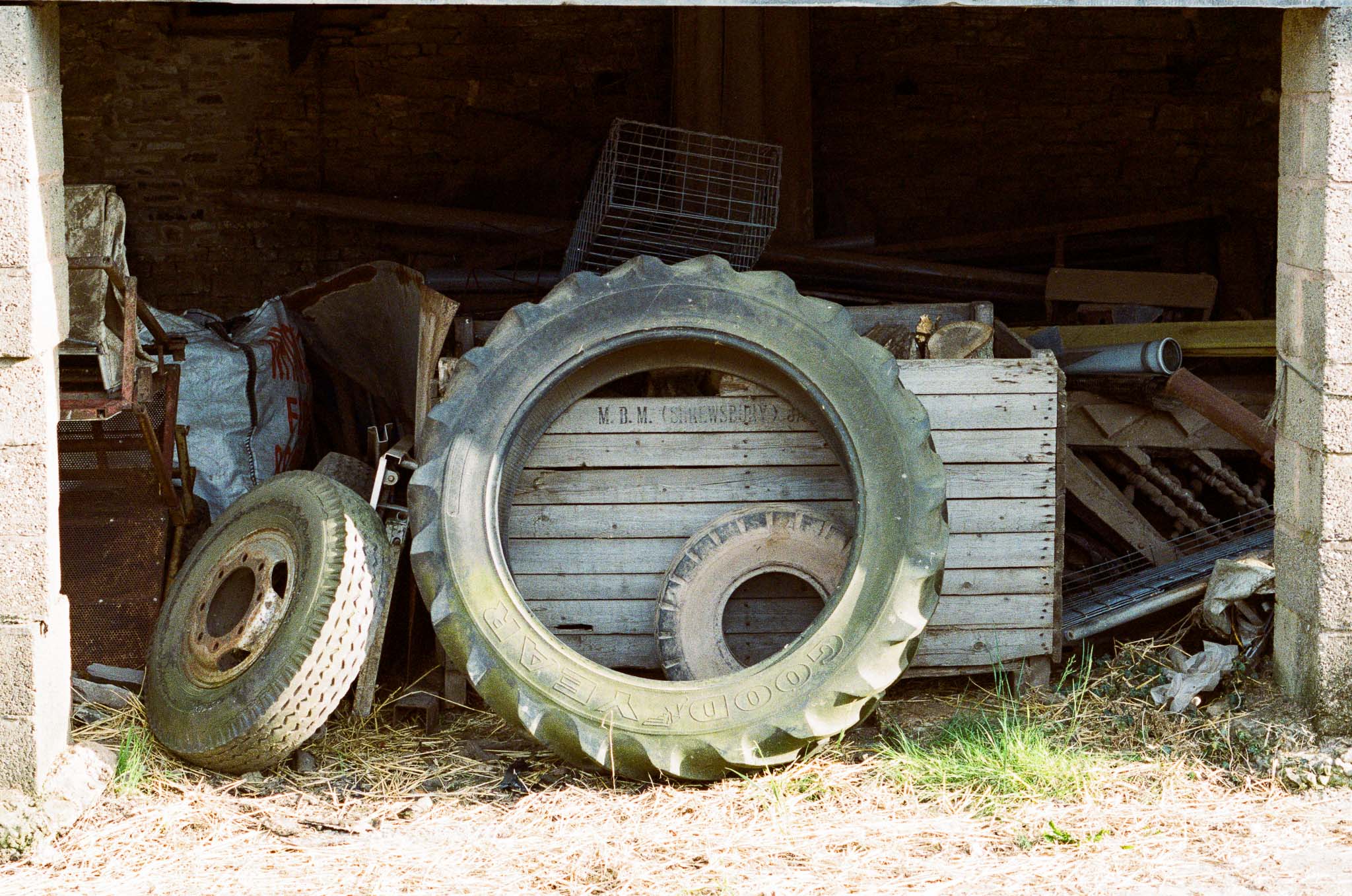
Shed
Canon EOS 1 – Canon EF 50mm f/1.8 – Kodak Portra 400
Fuselage
Canon EOS 1 – Canon EF 50mm f/1.8 – Kodak Portra 400 1962 – Bristol 188 – RAF Cosford
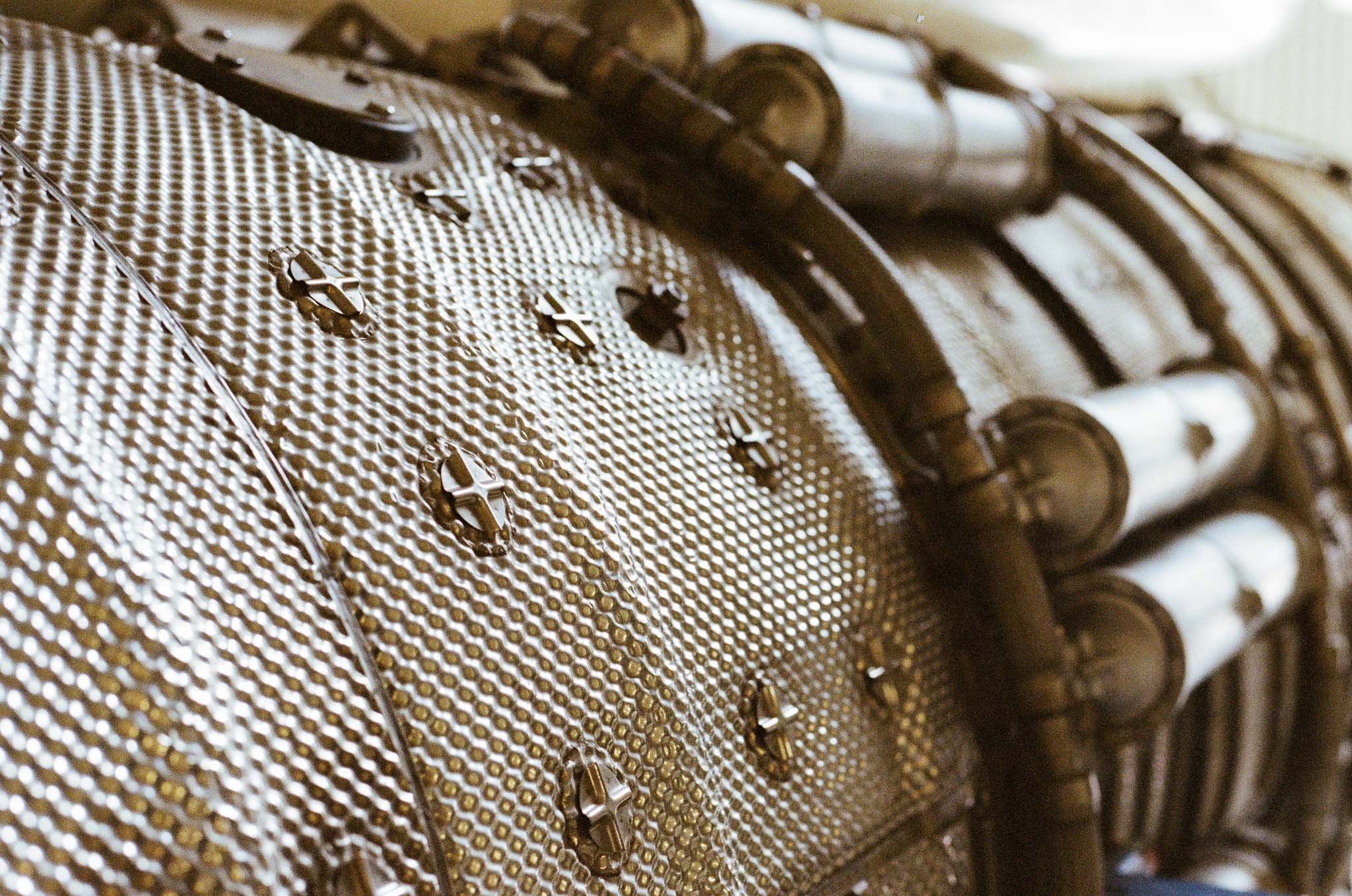
Turbojet
Canon EOS 1 – Canon EF 50mm f/1.8 – Kodak Portra 400 1962 – Bristol 188 – RAF Cosford
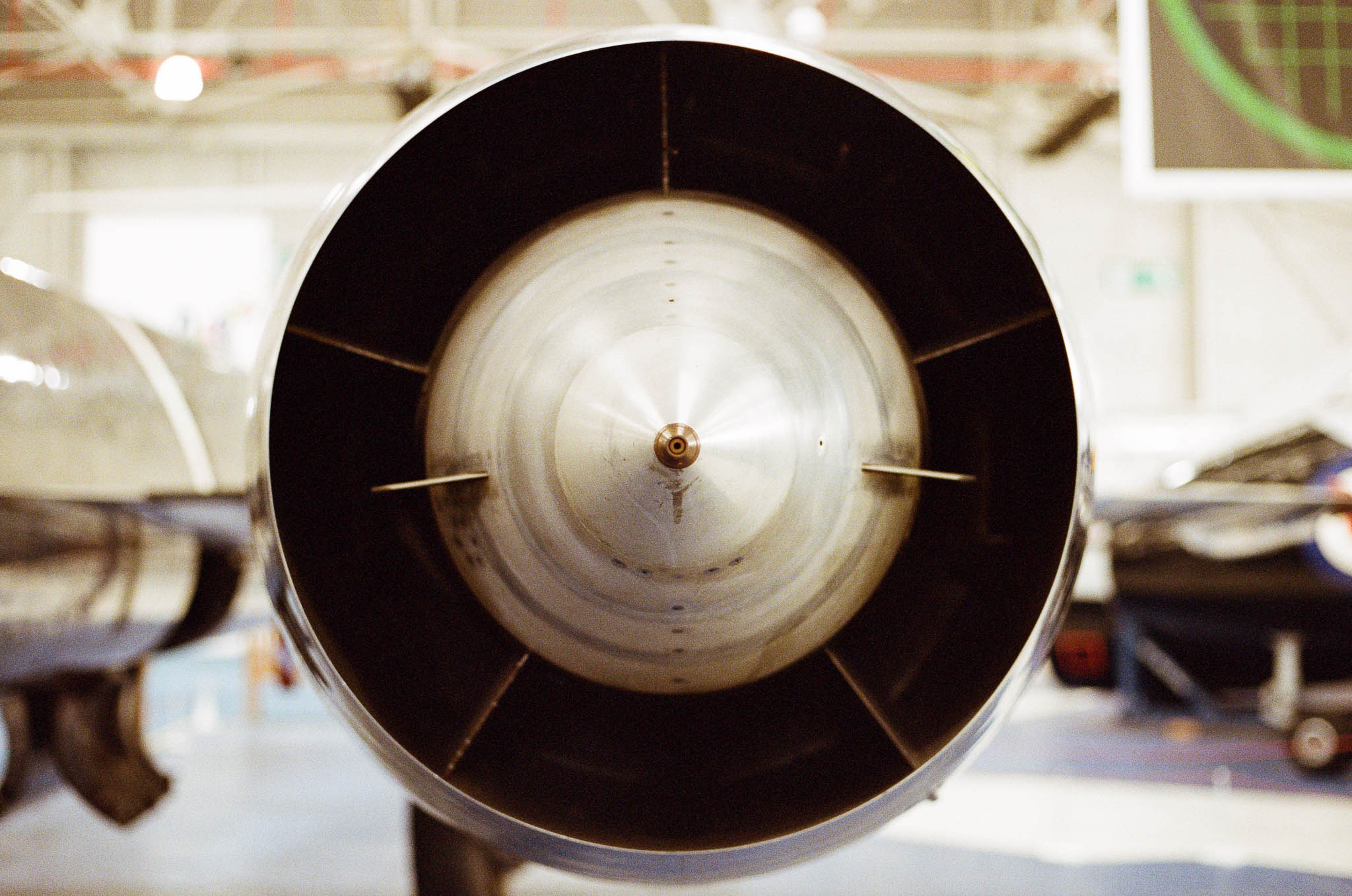
Reheat
Canon EOS 1 – Canon EF 50mm f/1.8 – Kodak Portra 400 1962 – Bristol 188 – RAF Cosford (Bristol Siddeley Olympus reheat)
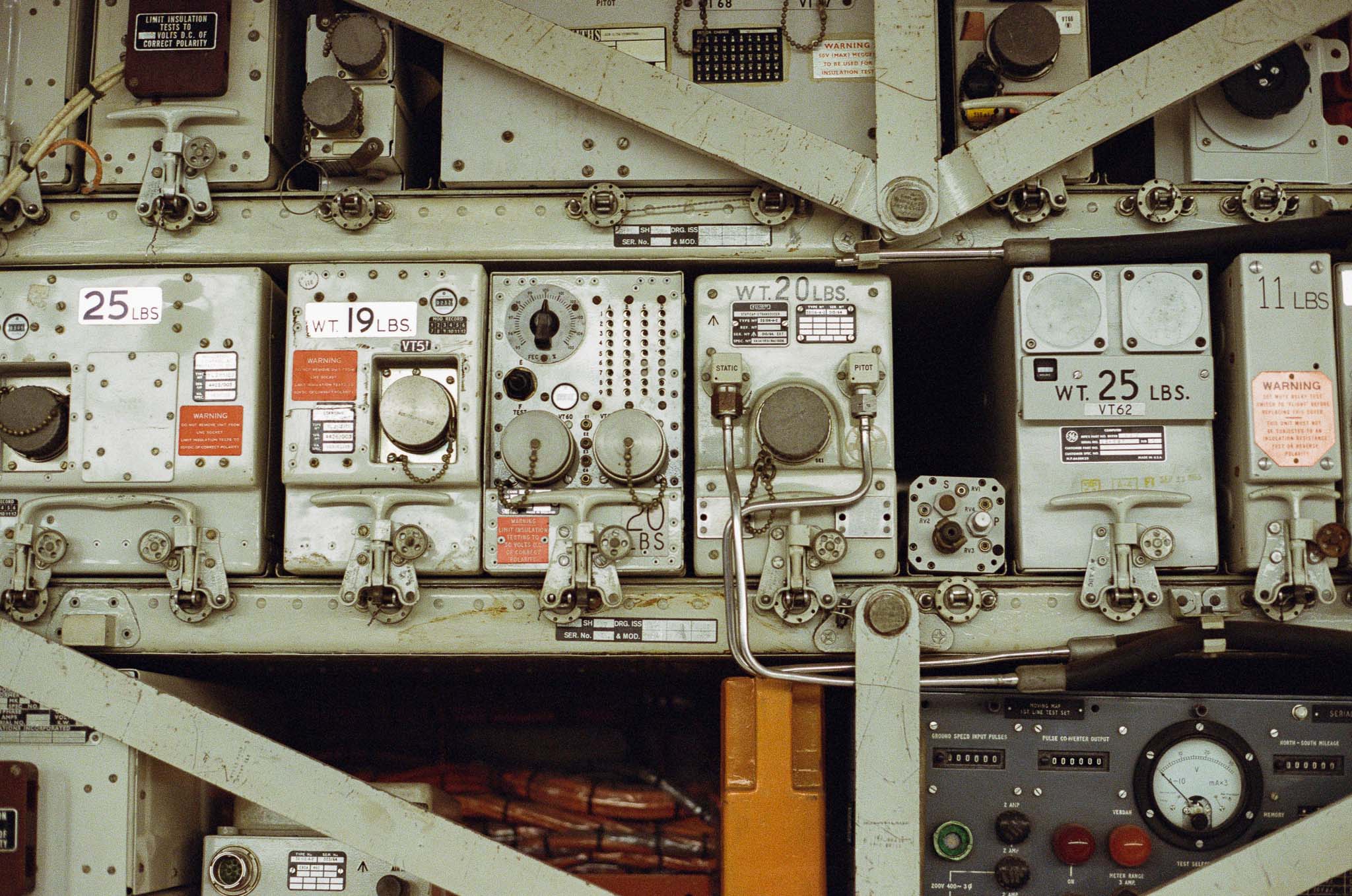
Avionics
Canon EOS 1 – Canon EF 50mm f/1.8 – Kodak Portra 400 1964 – BAC TSR 2 – Combat Prototype RAF Cosford
Cars & Trains
Canon EOS 1 – Canon EF 50mm f/1.8 – Kodak Portra 400