
Kodak Ektar H35
The Camera
The Kodak Ektar H35 is a new half-frame 35mm compact, which I bought as part of my ‘new money, new cameras’ thing, see my previous post for more detail.
The H35 has a 22mm, two-element acrylic f/9.5 lens with fixed focus and shutter that’s camped out at 1/100th a second. It weighs almost nothing, has a flash, and that’s about it.
With a prime lens, fixed focus, fixed aperture and fixed shutter speed, your choice, aside from where to stand, is whether you need flash or not.
This makes it different from the only other half-frame camera I used before. Which is a good thing. I’ve had two adventures with different Olympus Pen EEs. A hundred years ago I bought one on eBay which had a broken meter, this did actually produce a picture or two. My second go around lasted ages, did not produce pictures, and I still have the camera because I’m not convinced which of us screwed up, but I haven’t had the heart to have another go.
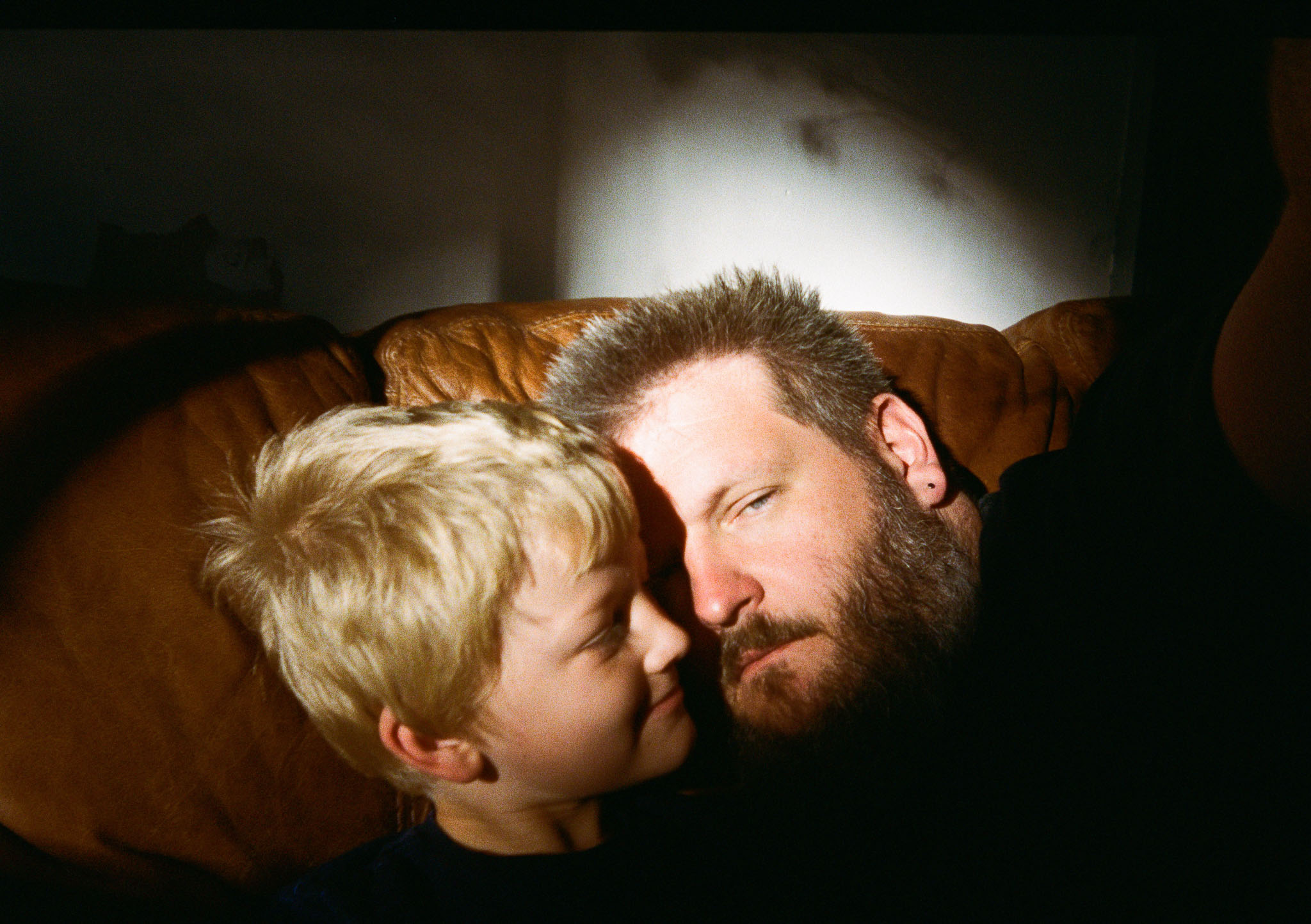
Hang Out – Kodak Ektar H35 – Portra 400
The Kodak Ektar H35 is small, light, and attractive. It’s made of that injection moulded plastic that appears luxurious in photos but feels a little cheap in the hand, but holds together well enough and because it’s light it won’t pull your shorts down when you’re on holiday. (If it’s in your pocket, I mean.)
The flash is activated by turning the ring around the lens which is a nice touch, and the flash does all that it needs to. Once activated you have to have two shots illuminated by flash. Even if you disengage it you’ll often have a flash for the next image as a the capacitor empties. Light plastic, cheap to buy, wonky flash, this is quality engineering.
Initially the film winder feels l like it’s in the wrong place. It’s on the bottom left of the camera as you look at the back, which usually means engaging your left hand to wind on, rather than just using your right thumb to wind on. (Rightist thinking, I am aware).
I think moving the advance to the other side has helped keep the camera small, which I like so I won’t complain too much, the aggressive knurling on the frame advance however, does nothing to aid effinciency, and felt really rough on my sensitive old thumbs.

In Flight – Kodak Ektar H35 – Portra 400
The Test
To test the camera I did what I usually do. I loaded it with Portra 400 and made sure I had it with me at all times.
I’ve made no secret of my love for Portra, but in this case I have genuine reason to load it, f/9.5 at 100th of a second is not a huge amount of light, ISO 400 film will help will help with that Portra has the “WORLD’S FINEST GRAIN AT 400 SPEED” which is perfect if you going to be stretching its resolving power with a half-frame crop.
Portra’s massive exposure latitude will also help to mitigate the immutable nature of the cameras settings, and I don’t have to worry about the expense as it’s all on half-frame, double for your money.
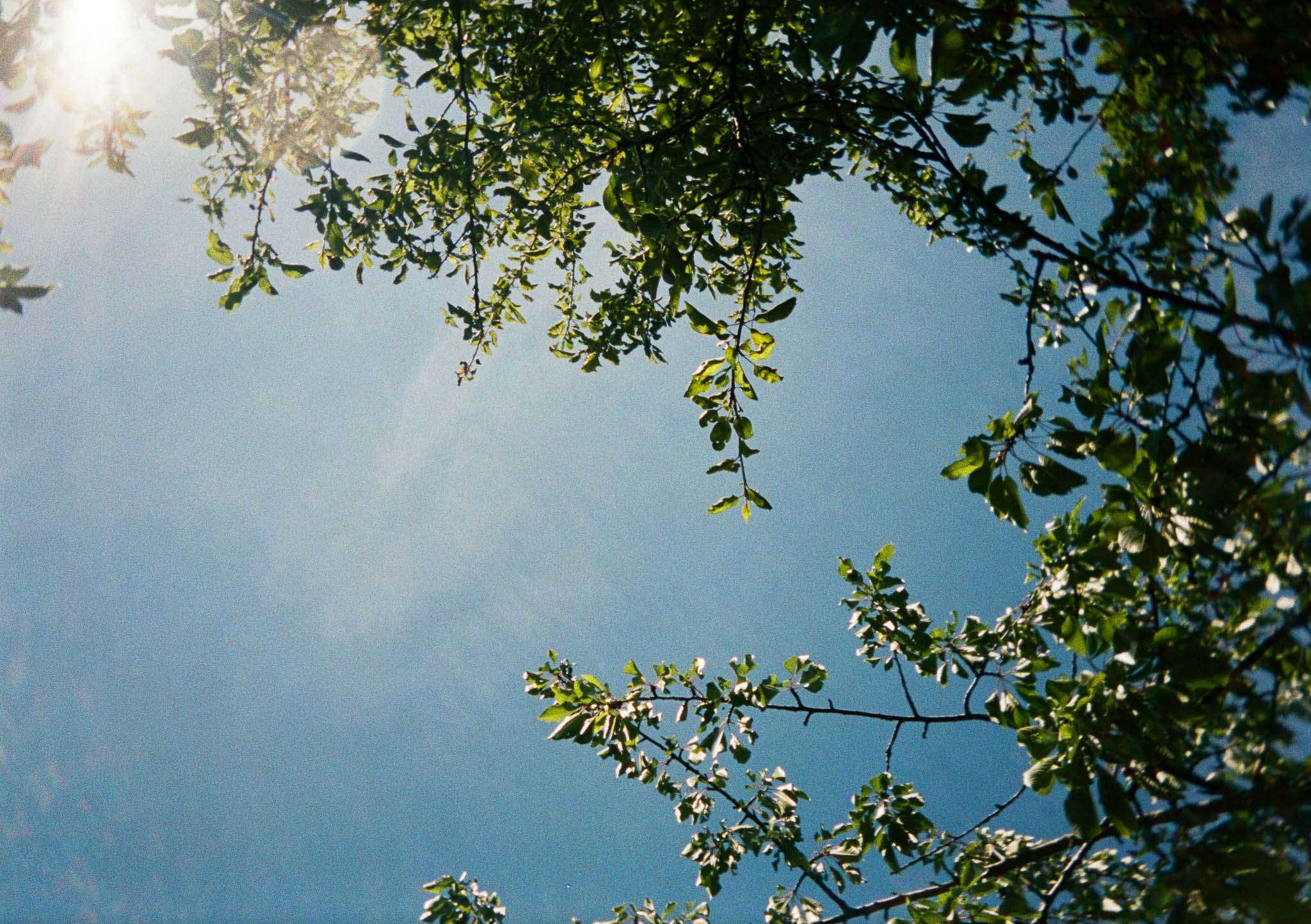
Looking Up – Kodak Ektar H35 – Portra 400
Benevolent Oppression
The benevolence in the camera’s oppression stems from its immutability. It has no truck with varied circumstance, changes of subject, no focus zones, no tailored depth of field. All subjects are treated equally, all are respected and disrespected in equal measure, F9.5, 22mm 1/100th of a second, would you like flash with that?
There is a freedom here. It’s coupled with the doubling of the frame count. Not only does each frame cost half as much as it normally would, one can simple snap away. It is a joy to use. See something, photograph it, move on. If it works, great, if it doesn’t, who cares? It’s half a frame and doesn’t matter. I was reminded of the fun and freedom I felt when I shot with the Halina 160 last year, albeit with higher expectations, I’m not sure why.
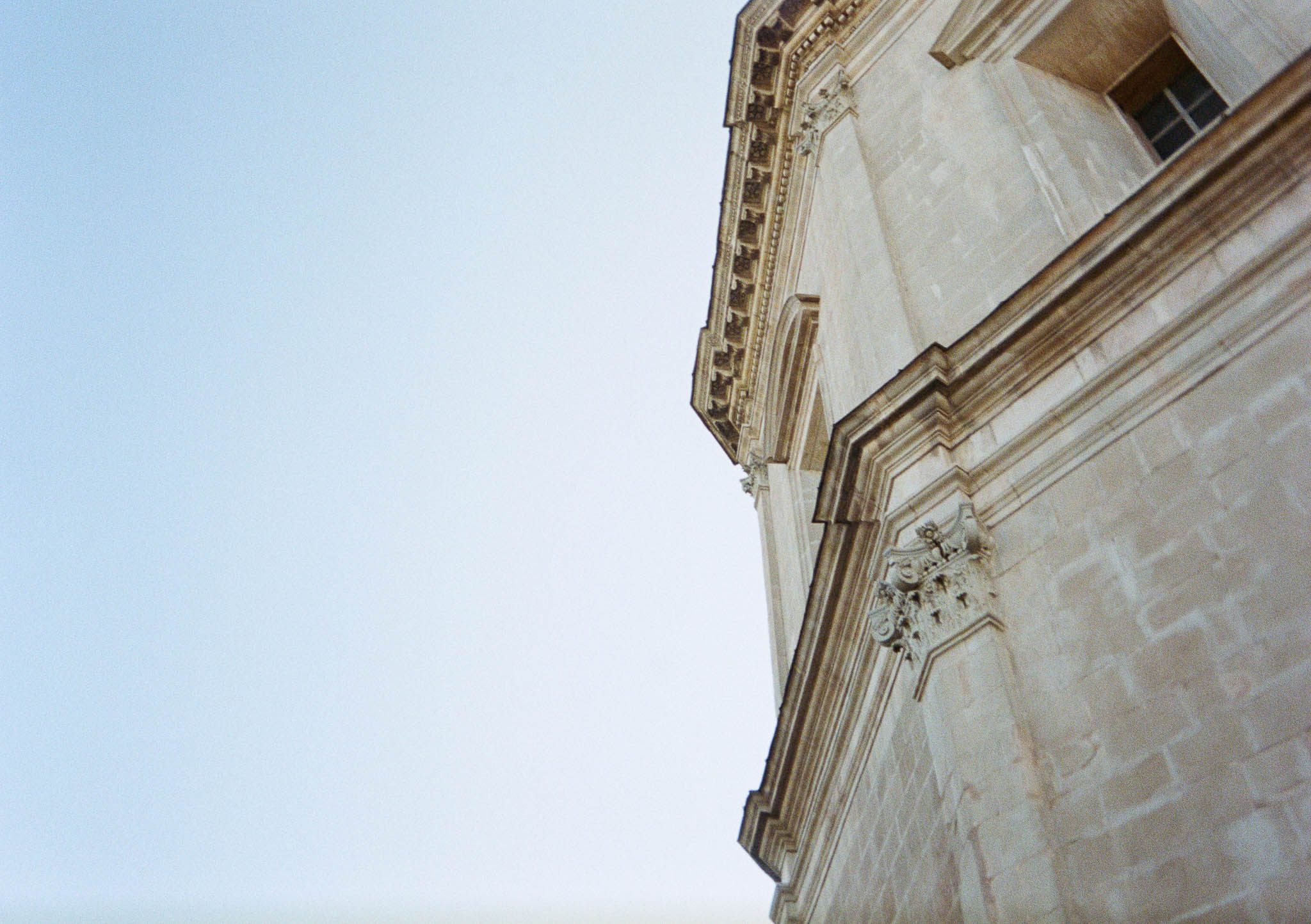
Pepperpot Church – Kodak Ektar H35 – Portra 400
Process and result
I enjoyed using the camera so much that I’ve ended up writing much of the review prior to seeing any of the results. Photography is, at the very least, a two stage process for a photographer, the making and the showing. I view my images very differently to anyone else, because I was there at the making.
It felt important to write about the act of using the camera before my experience had been tempered by seeing the results. Results can so quickly dampen one’s enthusiasm for a camera.
Hopefully when you come to read this, it will be peppered with examples from the first few rolls through the camera. There will be diptychs and snapshots and stuff that worked and stuff that didn’t. I have a dozen cameras that I believe I can micromanage to success, this feels like one of the first to just make images.
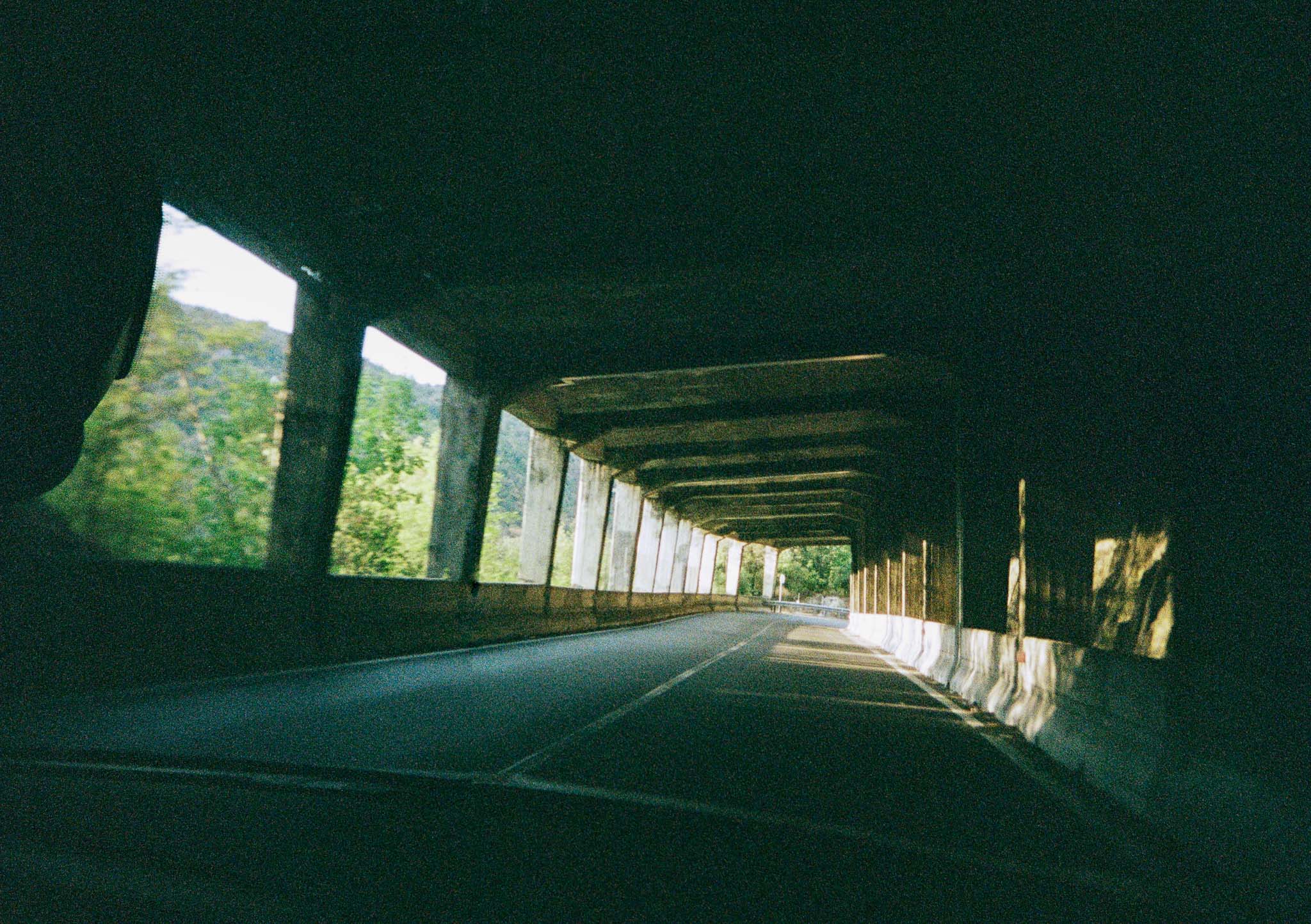
Protected – Kodak Ektar H35 – Portra 400
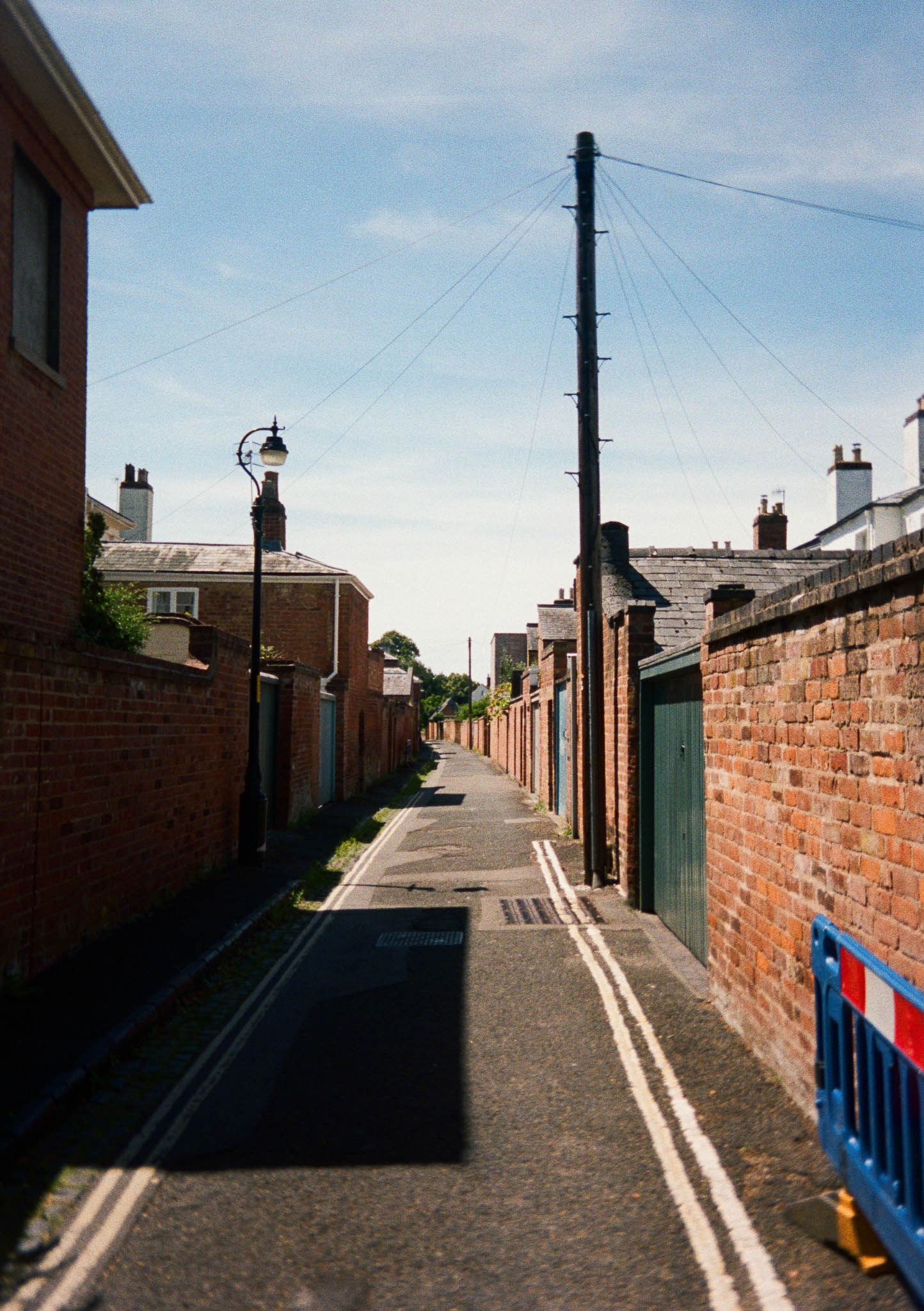
The Road Home- Kodak Ektar H35 – Portra 400
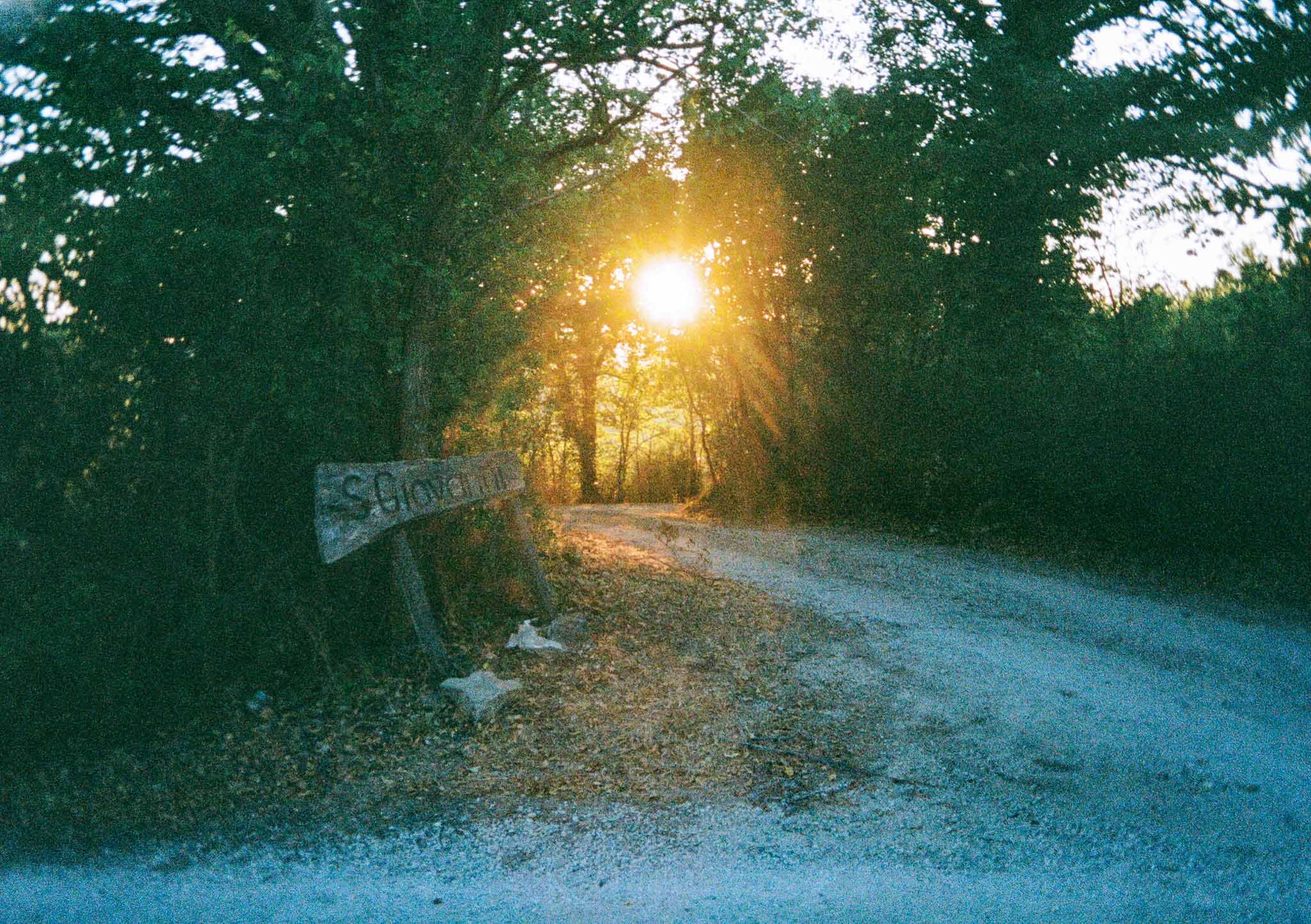
A Road Home- Kodak Ektar H35 – Portra 400
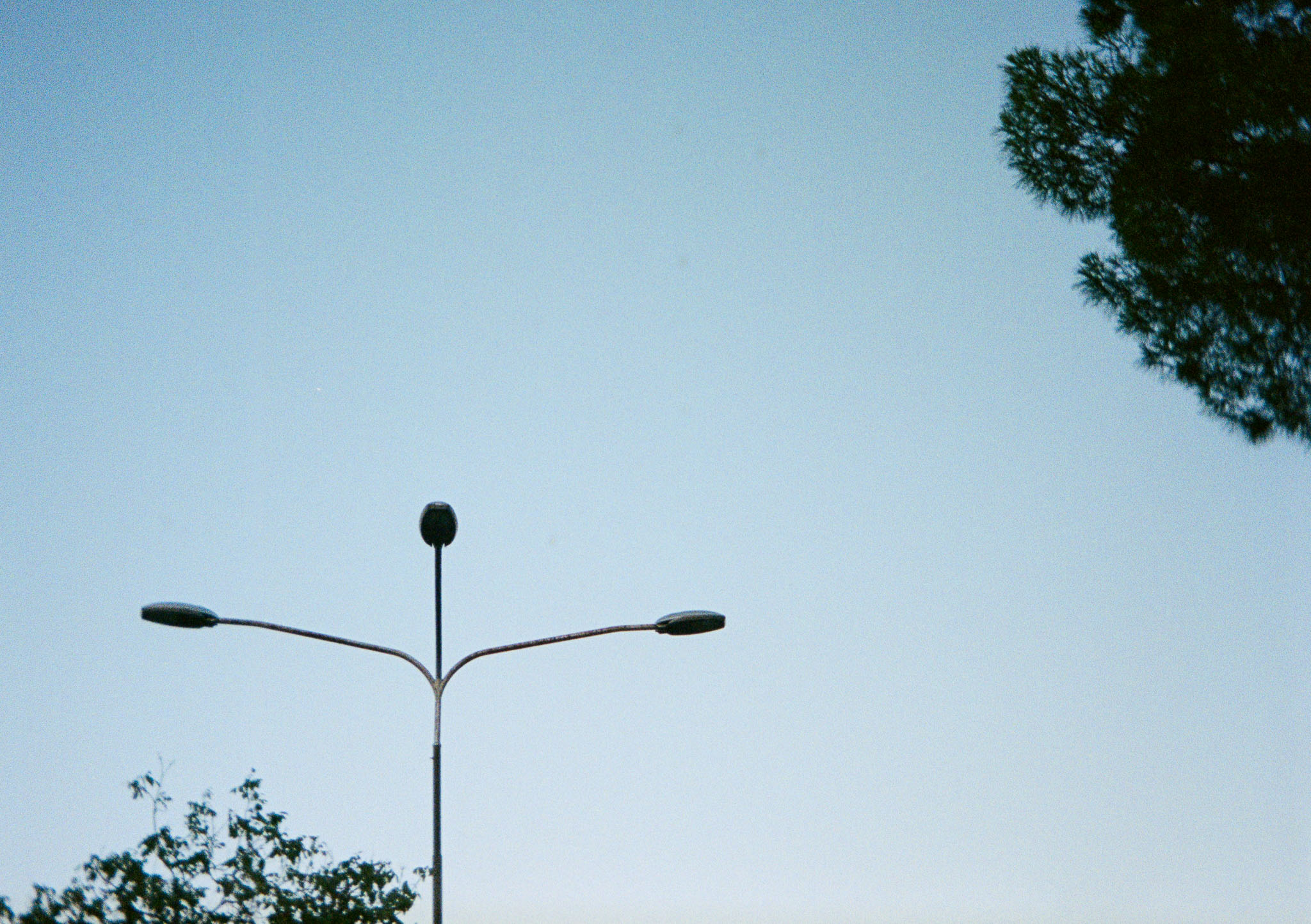
Looking Up – Kodak Ektar H35 – Portra 400
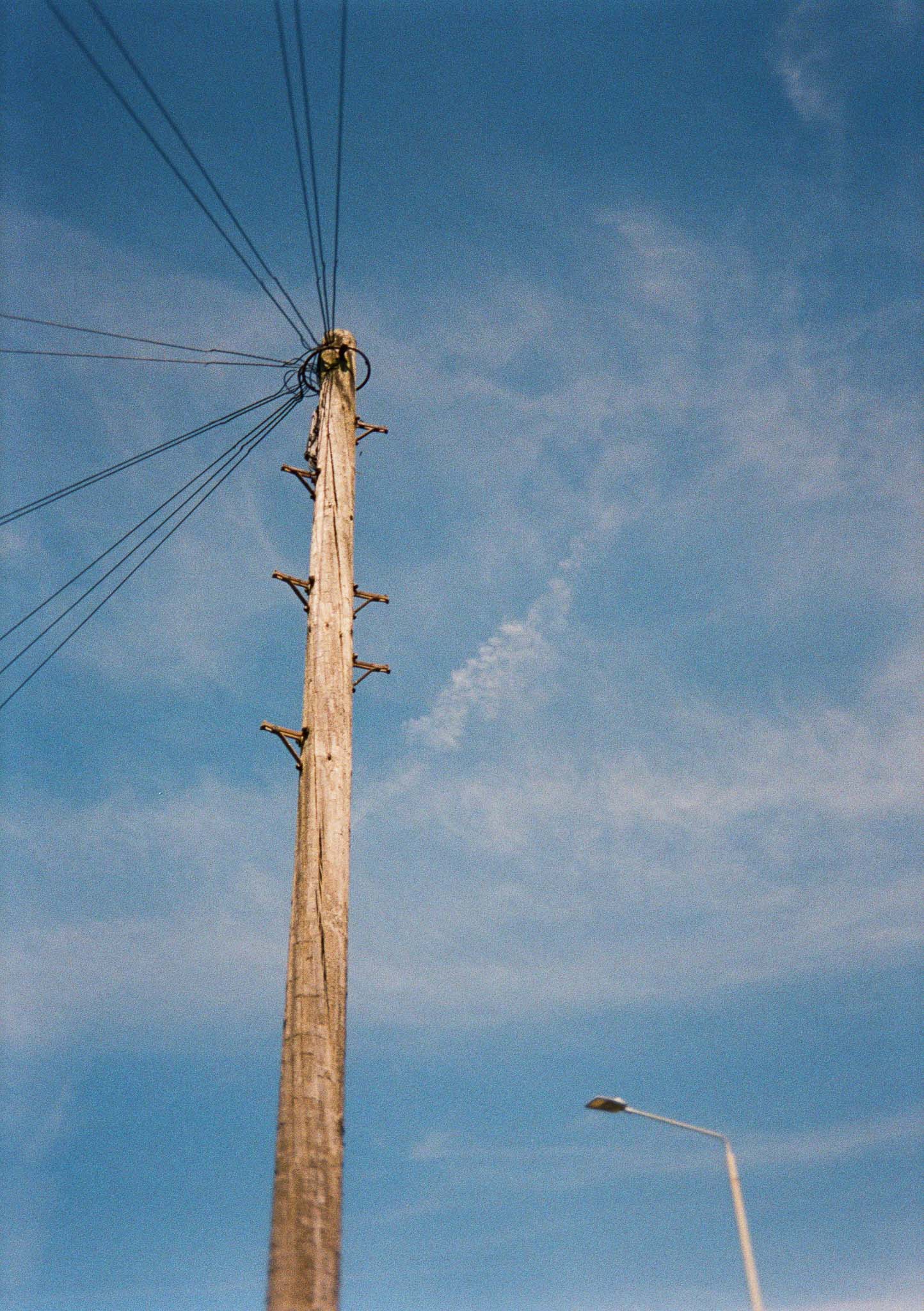
Looking Up – Kodak Ektar H35 – Portra 400
The Post is Peppered
The first rolls are back, and I like some of the pictures. I really like the combination of Portra with this lens and the light we’ve had recently, and I like how the camera made me feel while I was using it.
The lab I’m currently using scans half-frame images as whole, individual images by default, and then bills for two sets of scans. It’s possible they’d be prepared to do something else, but I haven’t asked them yet. This does however mean two things, no amusing diptychs, solicited or otherwise, and reduced savings on shooting half-frame.
While I like so many of the pictures, there are many more that fail completely. It’s clear that I allowed myself to become too free, too relaxed. The thing I believed to be louche, was in fact lazy, the thing I thought romantic, was puerile.
Disappointed as I am with the images overall, I console myself with this: Would I be happier if these were better than the pictures I’d spent time and energy constructing?
The freedom that I experienced shooting the H35 was and is real, but it’s rare that one can back into, bump into, accidentally find one’s way into really strong work, because work, takes work.
Benevolent oppression can indeed be joyful, just as ignorance can be blissful. I’m happy I made ‘better’ images with the cameras that offered me more control. I should note that my enthusiasm for the camera has not been thoroughly dampened, I’m excited to shoot it again, and soon.
I do wonder whether I’ll put a roll through the Pen EE first though, to find out which of us screwed up last time, and what a little more control can do for half-frame.