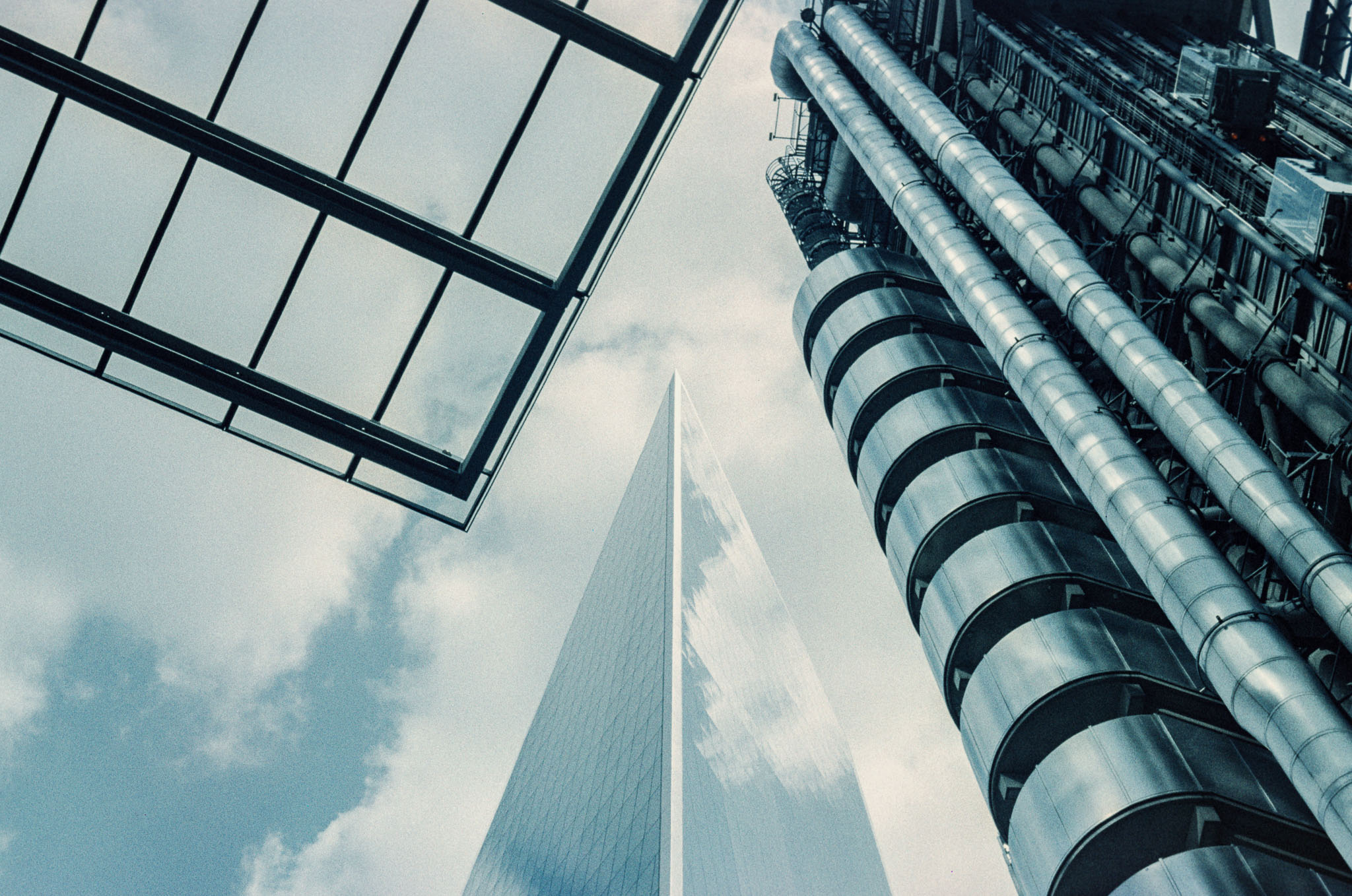
The film
I wanted to shoot Lomochrome’s Metropolis as soon as I saw the launch samples released to Kickstarter a few years ago. I never quite got around to it.
I’m trying to broaden my horizons as far as film goes, and when I was recently booked for a shoot in central London, it seemed like it might be time. It might be trite, but I liked the idea of shooting Metropolis in a metropolis.
As an aside, the film is desaturated with a cool palette and lots of contrast. It picks up really nicely on reds and (with the settings I used), lacked much of the grunginess that I had expected.

Camera choice
I shot the rolls at ISO 200 which is in the middle of the film’s extended range. I’m regularly guilty of not paying attention to variables when I’m shooting new film so this time I thought I’d try and set a baseline for the film’s performance.
I also settled on testing it in my Canon EOS1. Aside from being compatible with all of the lovely glass I have for work, it also packs the most advanced meter and focussing that I have in a film camera.
I hoped that with some solid metering and autofocus combined with a whole-roll rating of ISO 200, I’d get a feel for the film before I started to wing it.
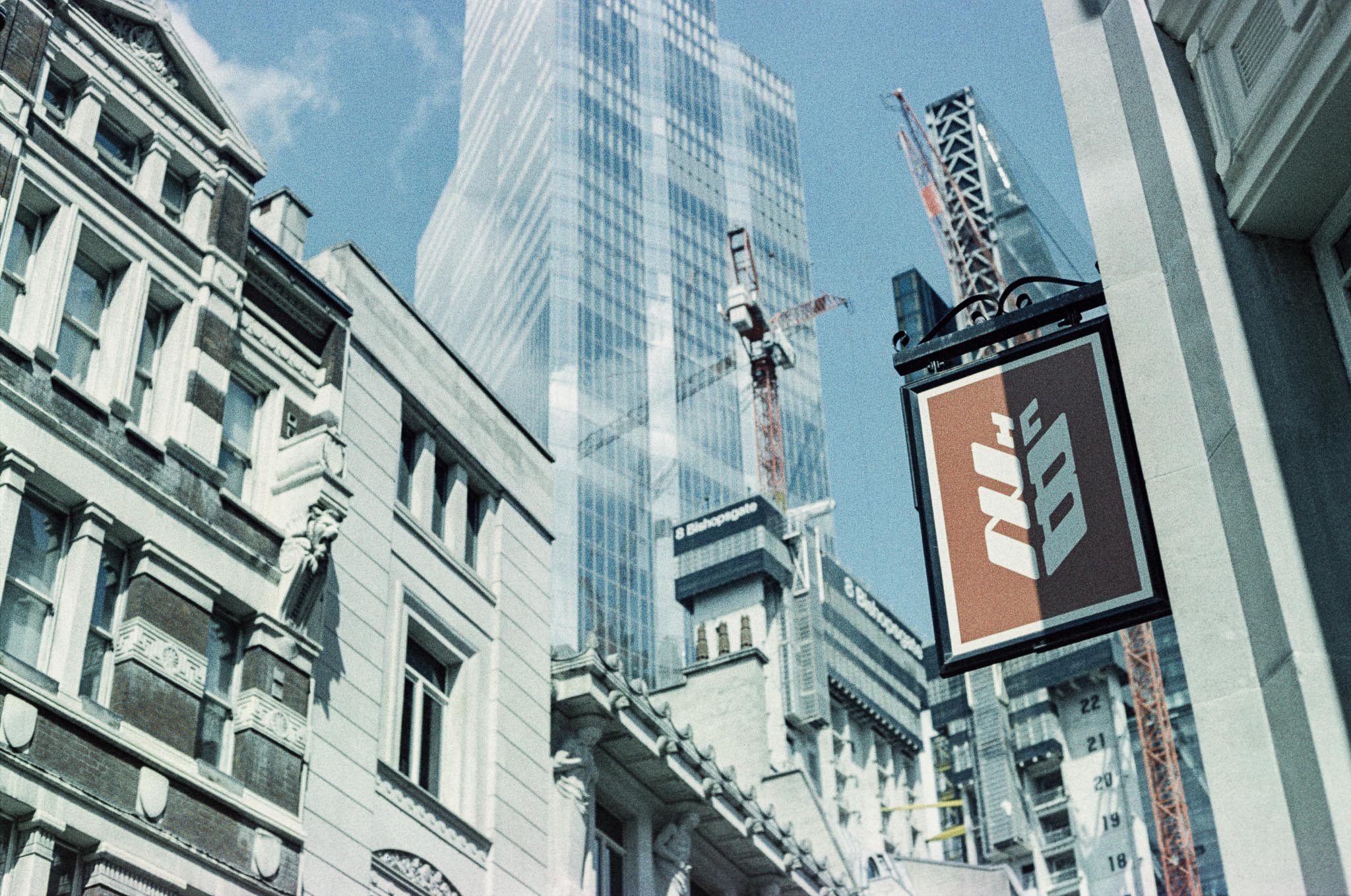
Roll 1 – The City
I always enter in to a street photography adventure with grand ideas, and tend to come away with less grand images. The issue is that I lack the nerve, or perhaps the drive to get really close to people on the street.
“If your pictures aren’t good enough, you aren’t close enough” – Robert Capa
In the past I’ve had more success when I’ve done it on organised walks. The camaraderie and security that comes with being a member of a group enables me at least to bypass some of my concerns. When it comes down to it, I don’t want to upset people, or want people to be upset with me. (This was true before Covid-19 changed everyone’s perception of personal space.)

The resulting images are more like urban landscapes than true street photography. The chasm between what I get and what I want can often be found in the distance between my camera and the subject.
One way to combat this would be to shoot with longer lenses, the better solution would be to be more assertive.
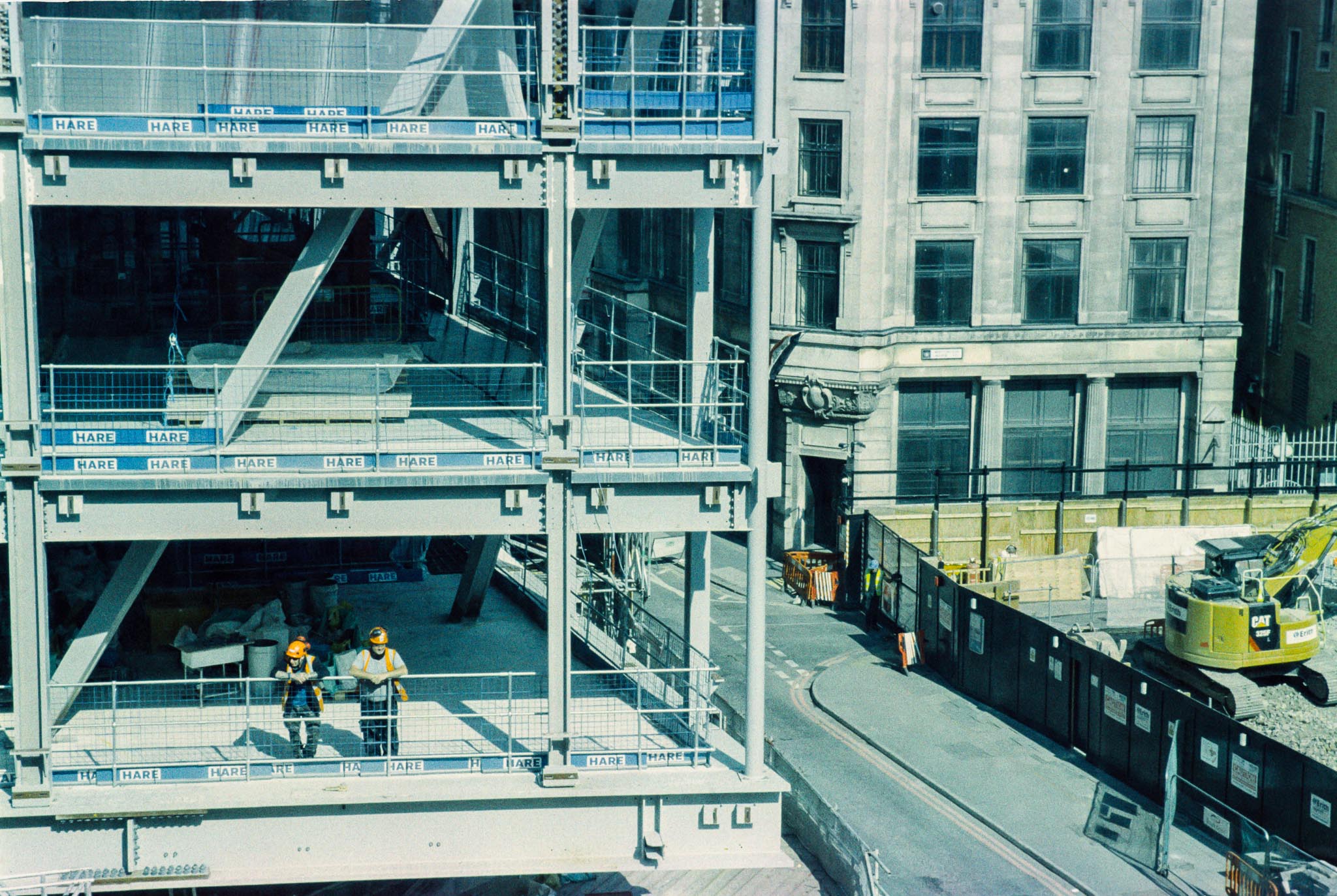

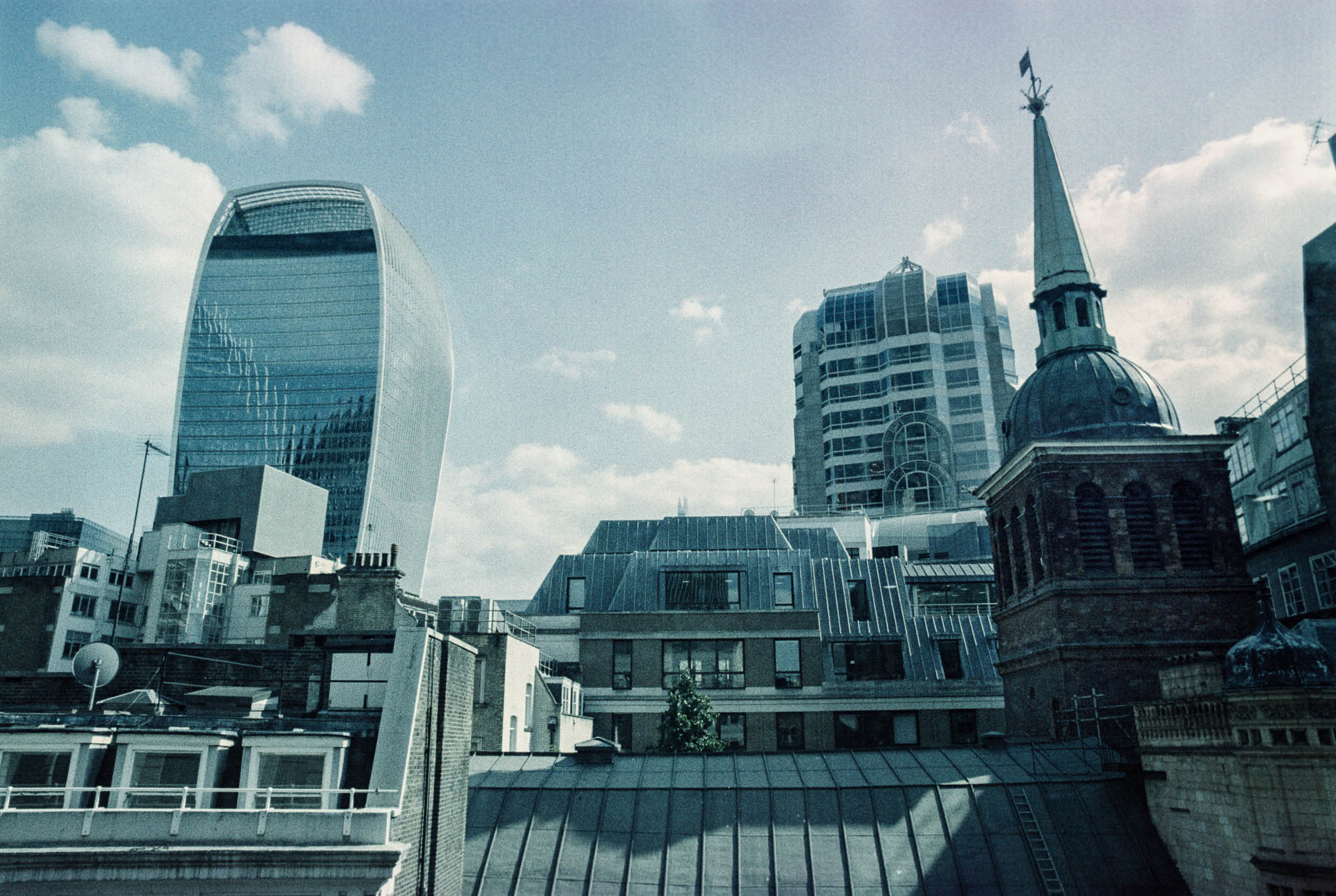
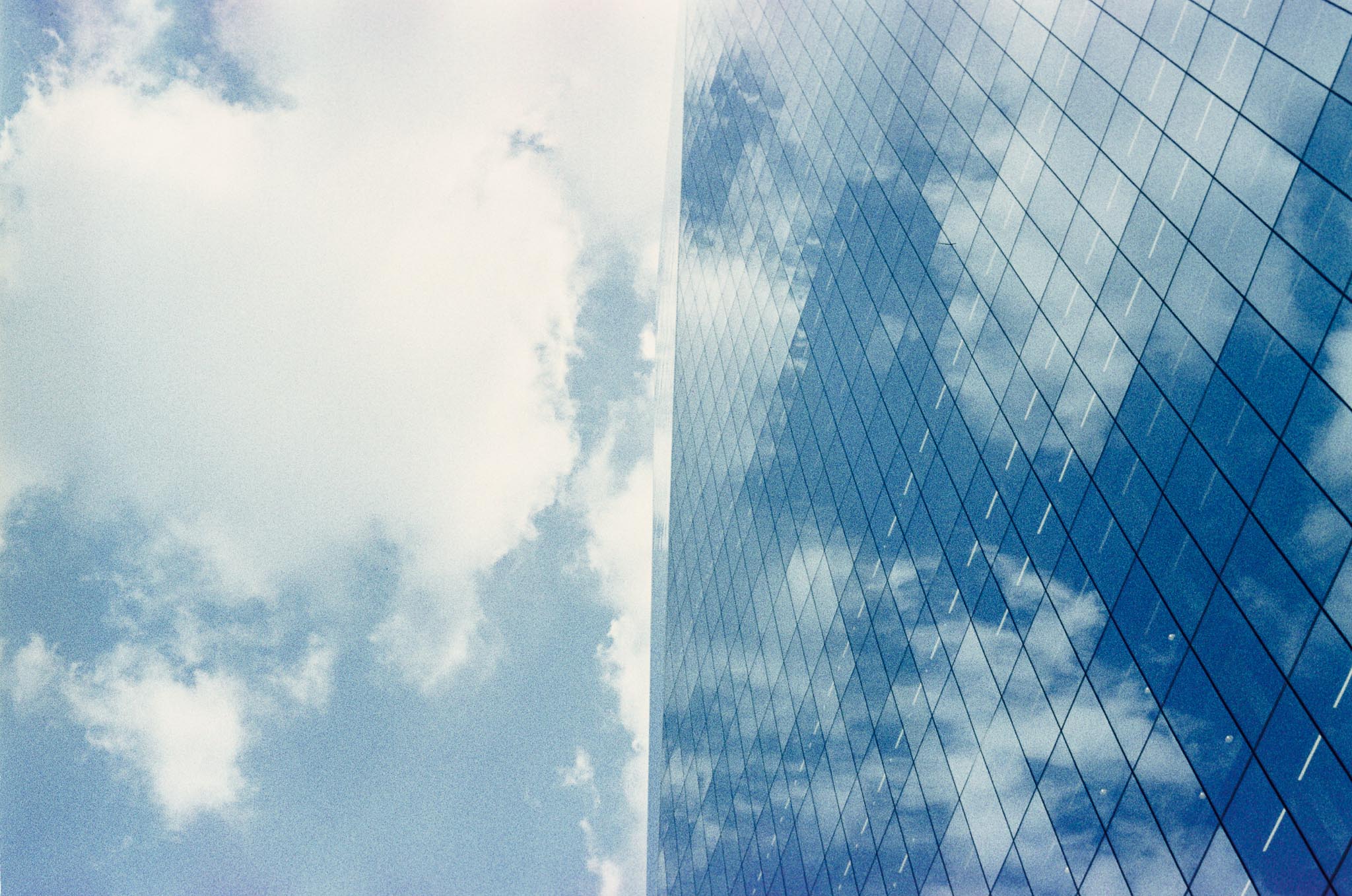
Once you’ve seen Koyaanisqatsi it lives inside you, and pops out when you least expect it.
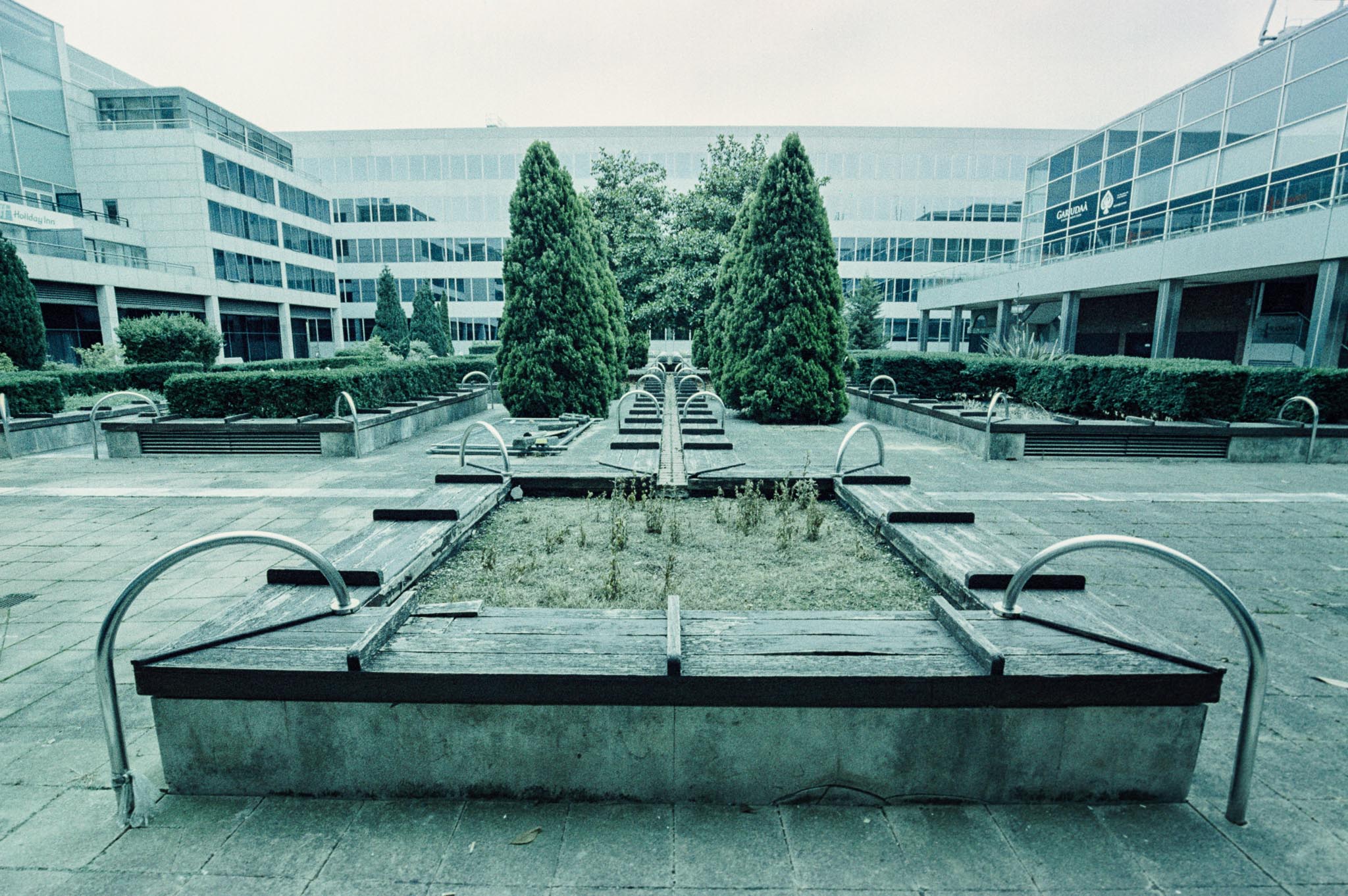

I finished the roll in Milton Keynes a few weeks later in some of the quiet and untended spaces the pandemic has left the town with. It was nice to break away from the 50mm that’s been glued to the EOS1, and get some shots with my 16-35mm .

Roll 2 – The blat at the beach
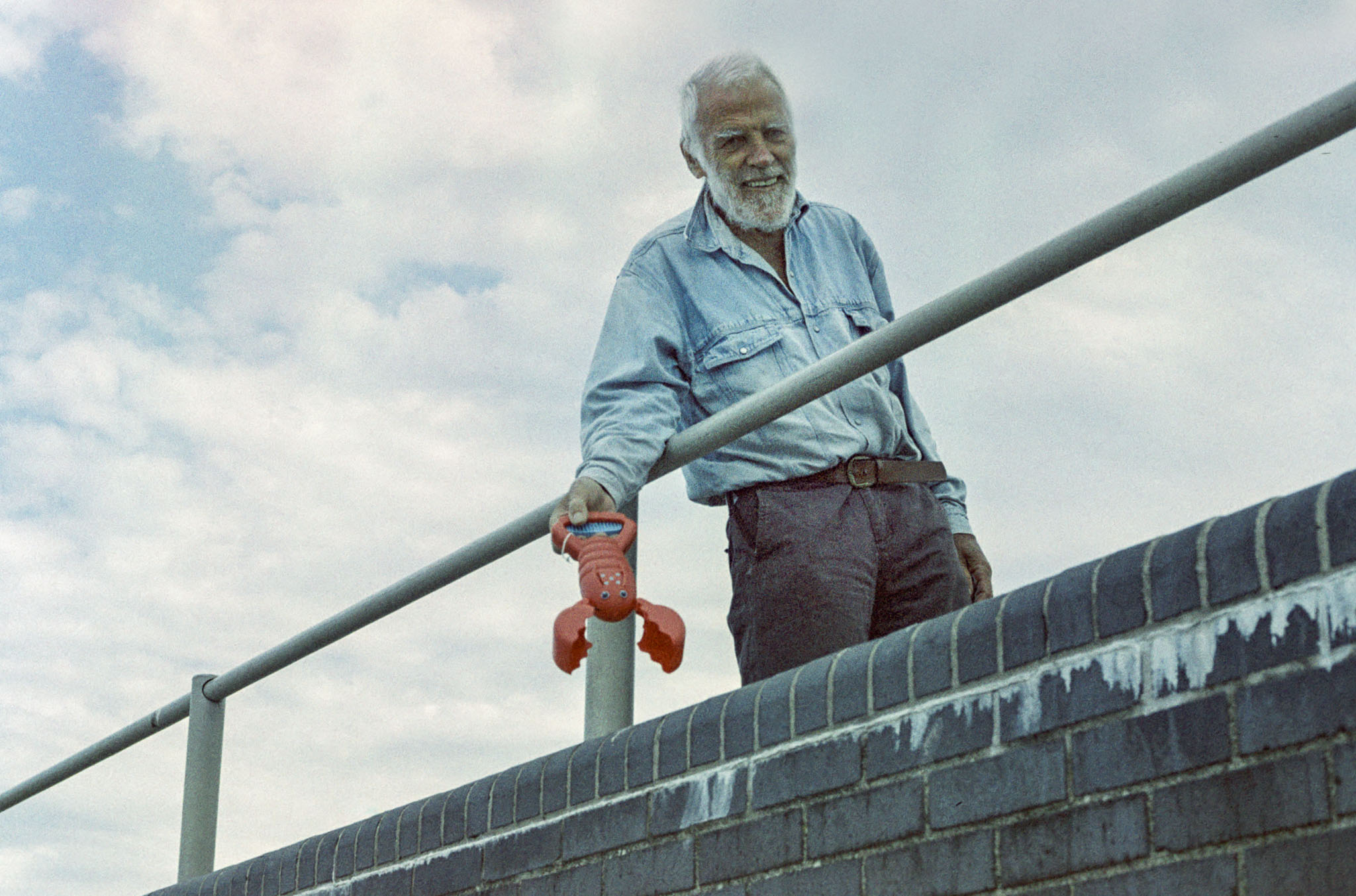
I shot my second roll on the last day of my holiday, almost as a response to the images I’m made in London. I liked the idea of counterpointing the cityscapes with the space and mood of the seaside.
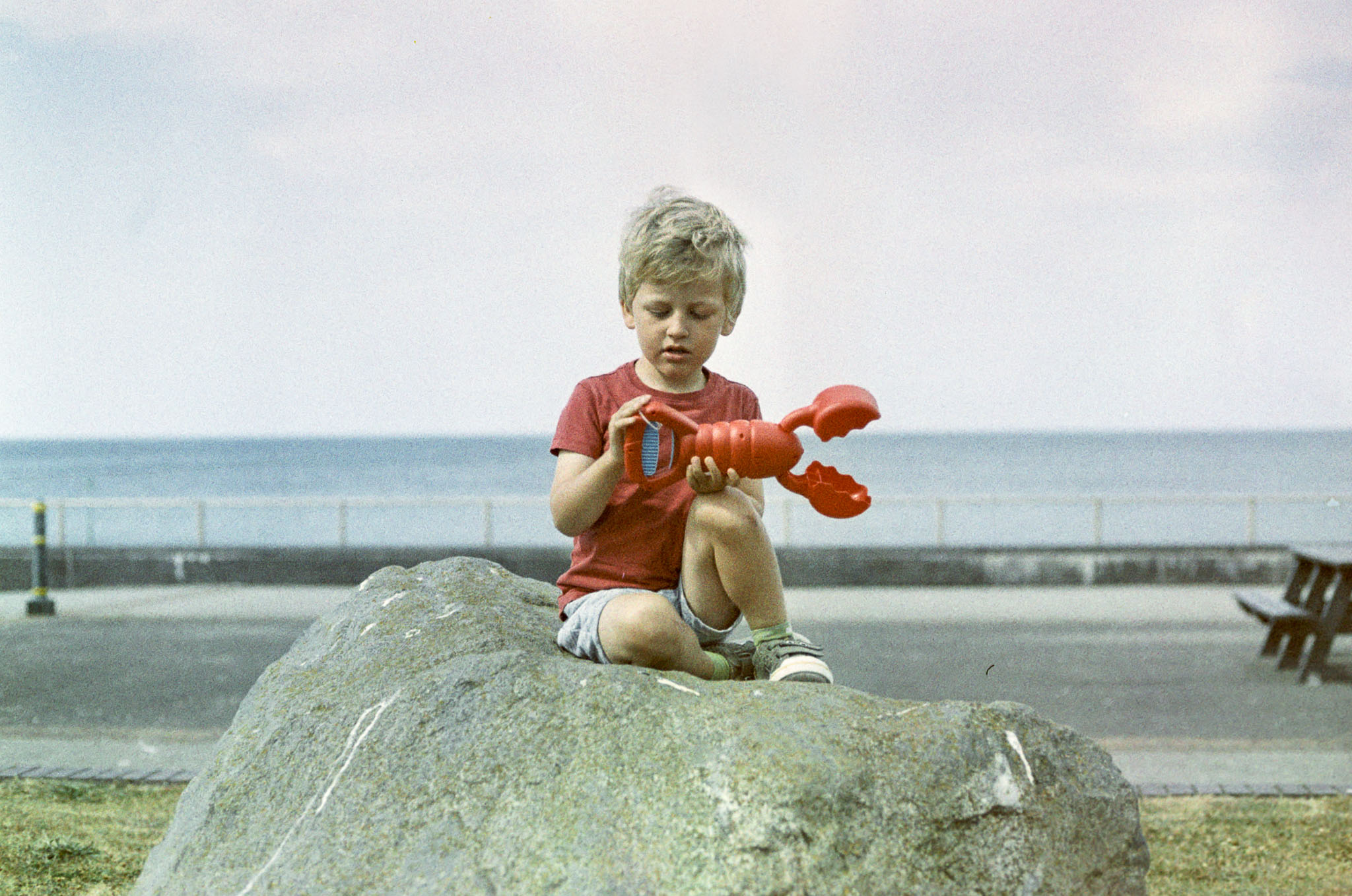
With the second roll I tried to leverage the film’s red sensitivity, picking out red objects, and the intern dutifully wore his red t-shirt. I shot the roll in no time at all which is easy in the EOS1 (and is reflected in the results).
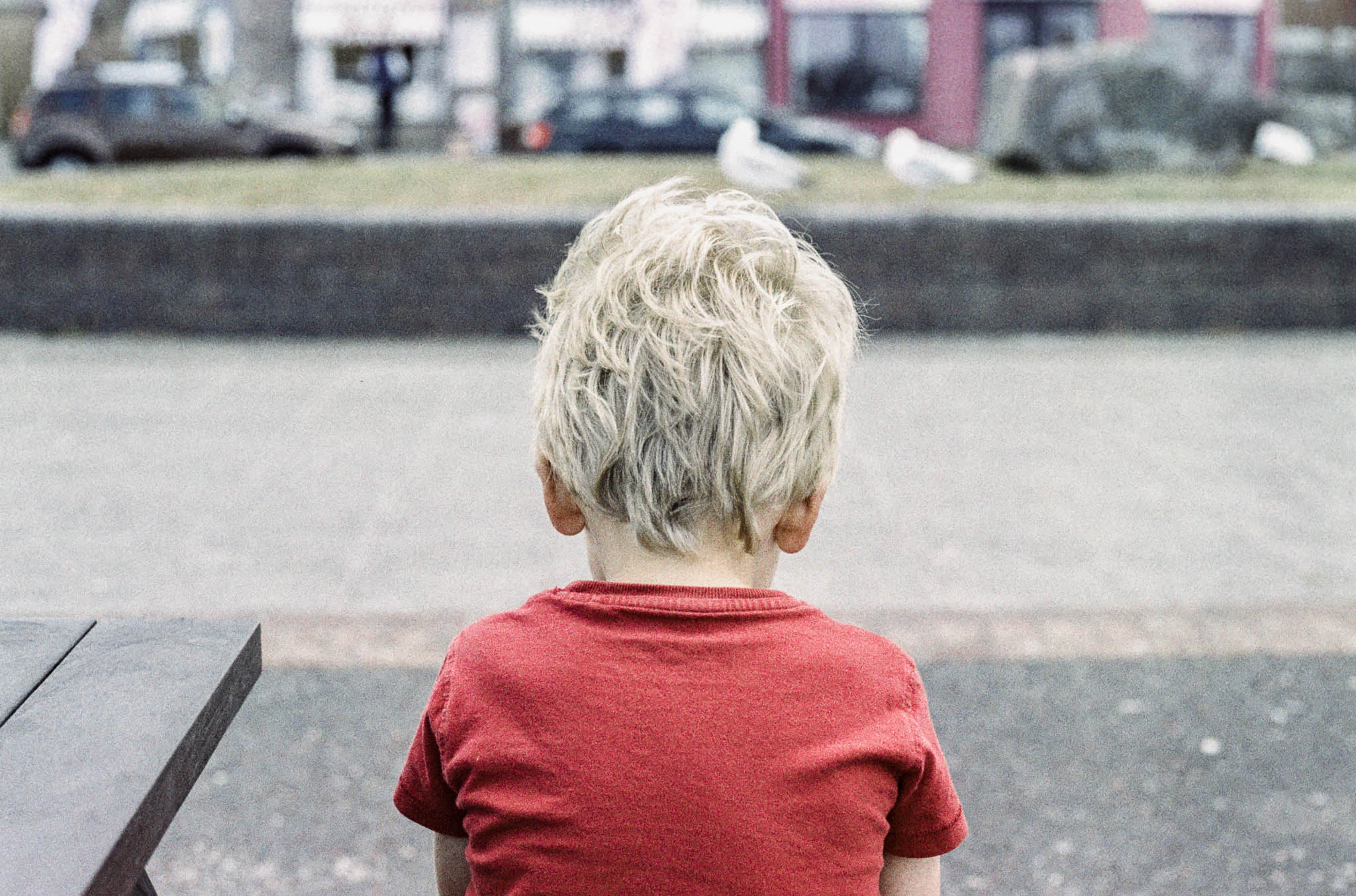
Metropolis doesn’t have me hooked, but I am giving it a little side-eye. I’m happy to wait a few years before I shoot Lomochome Purple again, but Metropolis will be sooner than that.
It’s clear that I haven’t yet internalised what the picture will look like when I make an exposure, but I’m looking forward to having a clearer understanding.
The extended ISO range of Metropolis doesn’t alter the development process, but it, combined with light direction, changes how much of the ‘Metropolis look’ comes through in your images.
With two rolls at ISO 200 under my belt I could shoot a roll at ISO 100 and another at ISO 400 or ISO bracket my exposures on a single roll to see how they come out. I’m not going to do that.
The next time I shoot a roll of Metropolis it’ll be in a un-metered camera. I’ll be winging it, back in the city, on a photowalk, hopefully with friends.