

Popping Poppy
iPhone 12 Pro Max
Swan Song
Back in 2021 I wanted a compact digital camera. I bought a secondhand Ricoh GR hoping it would become a go-to, go-everywhere camera.
It didn’t. After failing to fall in love with the GR I sold it and put the money towards an iPhone 12 Pro Max. It did everything that I’d hoped the Ricoh would do.
A few weeks ago I took delivery of a new iPhone 17 Pro Max, and parted with the 12 Pro Max as a way of making it cheaper.
I wasn’t going to write about upgrading my phone, what could be more pedestrian? Plus there are tech sites all over the internet that have ‘content created’ about the iPhone 17. My two cents would likely get lost in the exchange rate.
The reason I have written about it is that I write about almost all of my camera upgrades, so why wouldn’t I write about upgrading the camera I use the most?
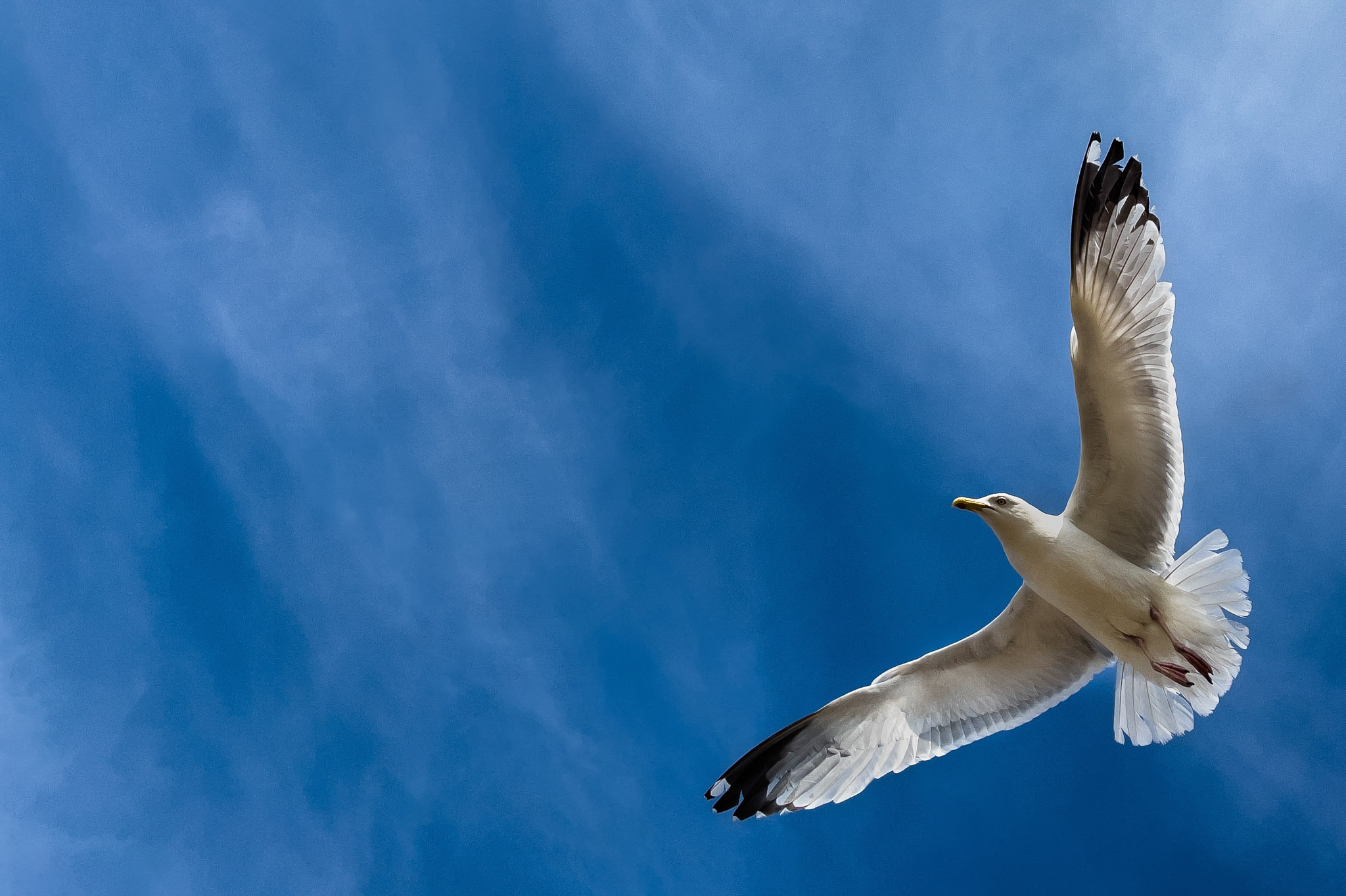
Bird
iPhone 12 Pro Max
I use my phone for everything, I pay for groceries with it, use it to unlock the front door of my co-working space, and control the whole-home hi-fi system I love with it.
This is all before I use it to stay in touch with family, friends, customers and suppliers, or to idle away gaps in my day writing on it or listening to audiobooks.
While I’ll admit that I spend altogether too much time on my phone, its primary purpose remains outside of all of this.
It’s the camera in my pocket.
The thing that the Ricoh could not do and the thing that the iPhone could, was persist.
When I go out I’ll likely have a camera of some description on my person. It might be one of my work cameras, it might be a film camera. My cellphone camera is always there, in my pocket.
It’s charged and ready with a variety of lens options and a variable ISO. It enables me to make photos I might not be able to make with a camera that focuses manually, or is loaded with ISO 27 film.
It’s definitely closer to hand than the camera that’s in my studio when the interns are being funny on the landing at bed time.

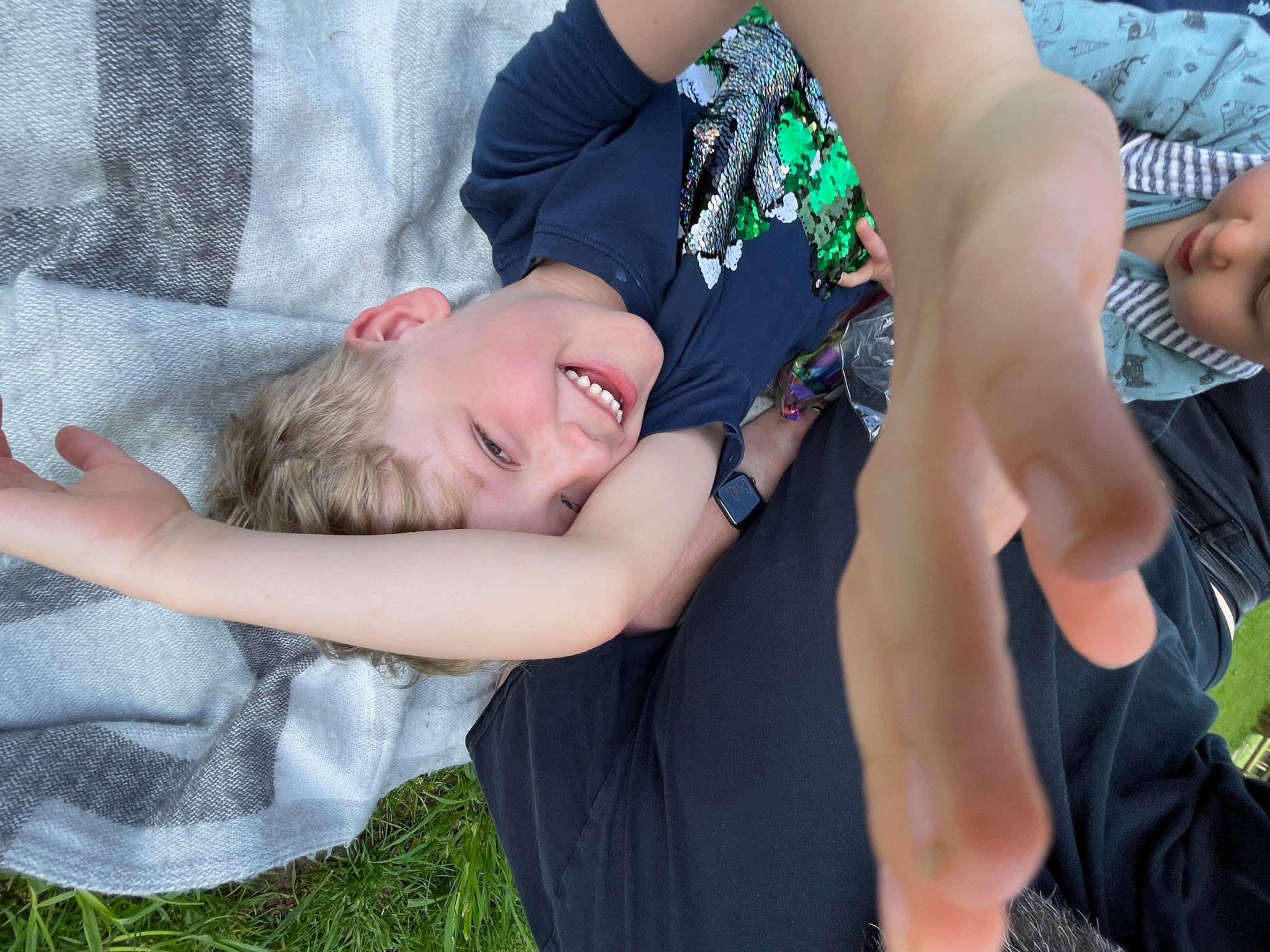
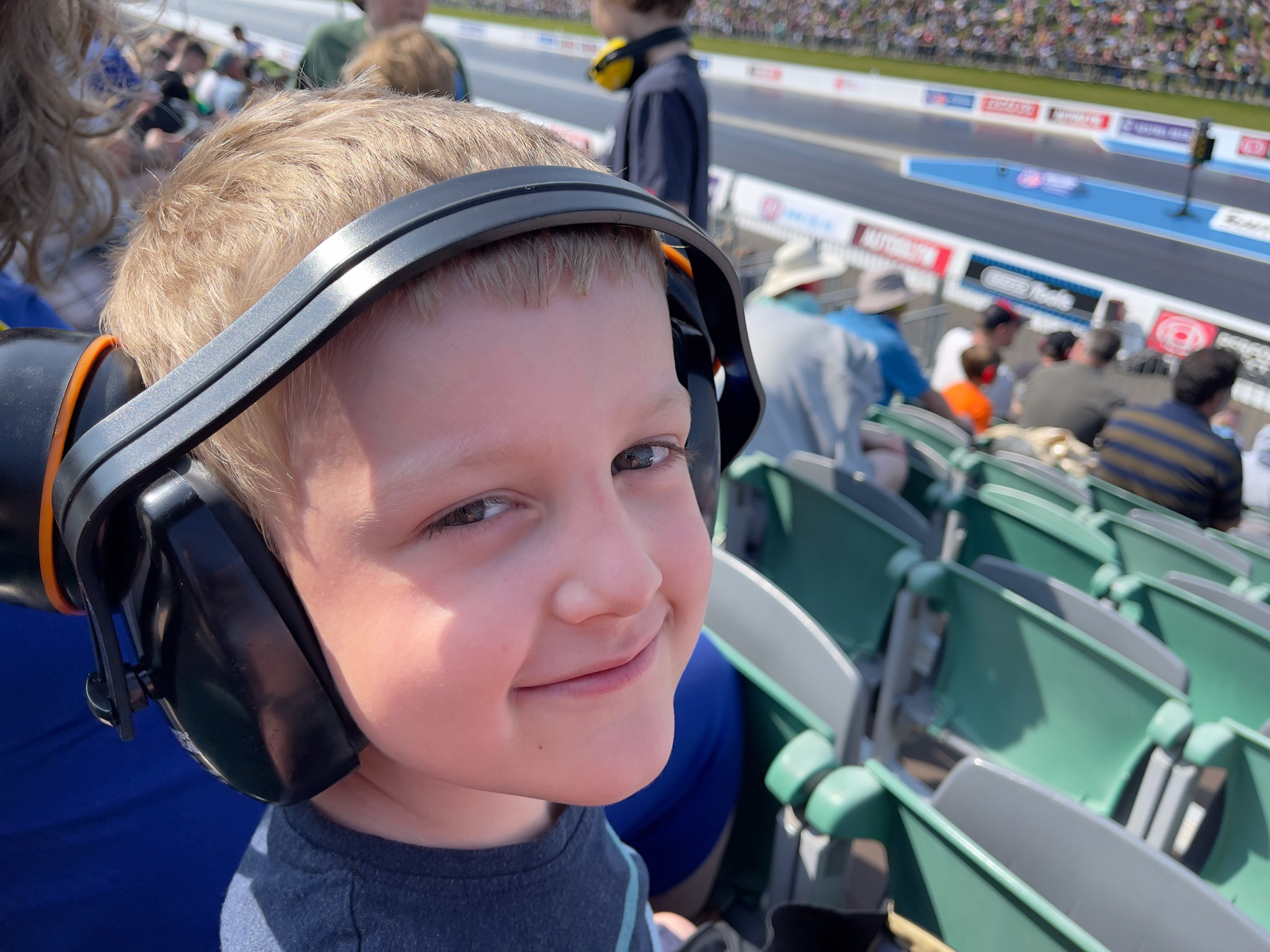
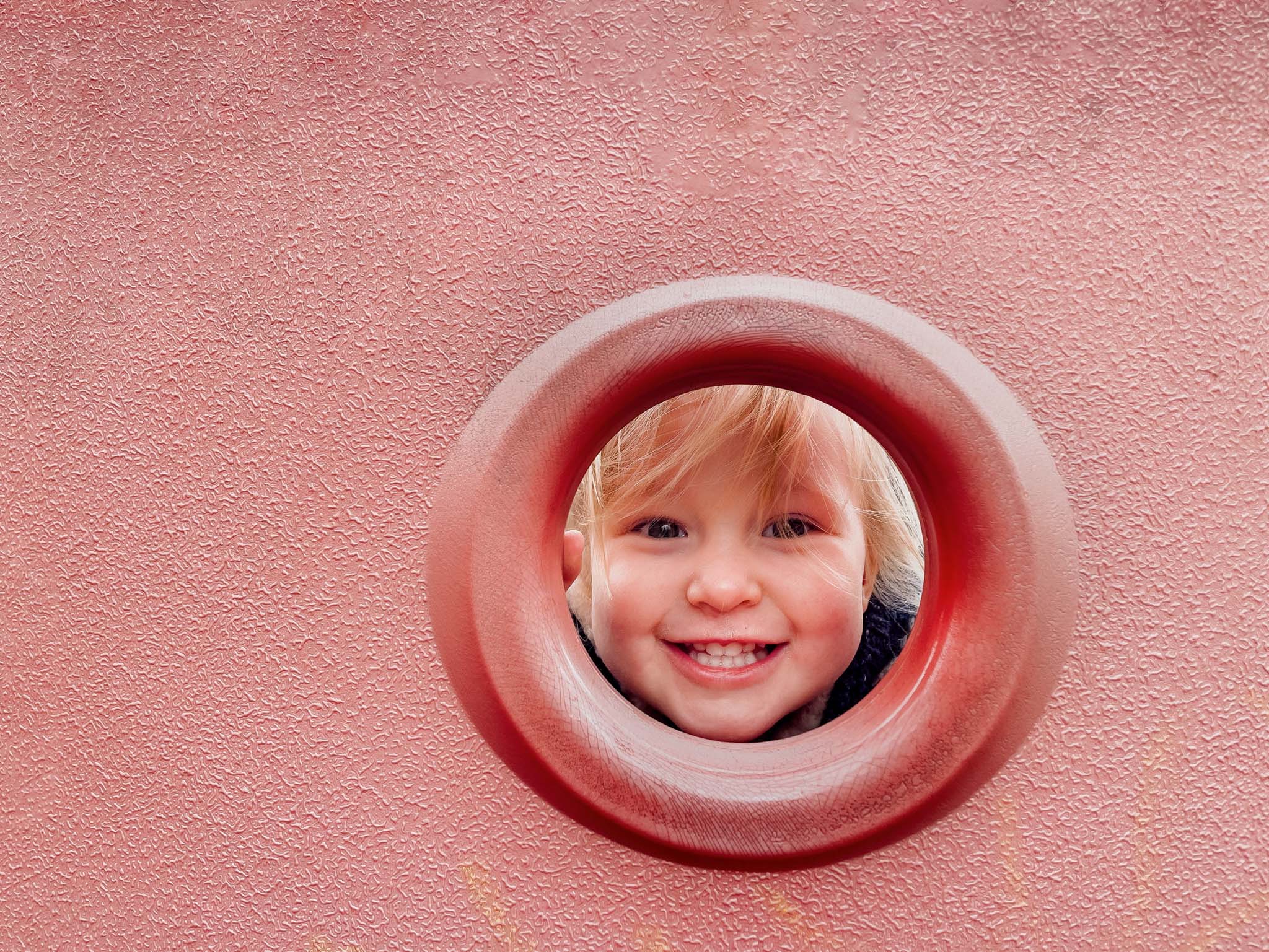
iPhone 12 Pro Max
Weaknesses
It’s important to note that beyond its persistence, cellphone cameras, or phone cameras as a younger person would describe them, have their weaknesses.
In the 25 years since they first hit the market, the cameras in phones have had immediacy firmly in their corner. They are in your pocket, and you can share what you make instantly.
These instantly sharable images have traditionally been low resolution with poor dynamic range. Phone cameras have traditionally had weak low-light capabilities and can’t create a shallow depth of field due to their small sensor size. (Manufacturers have resorted to software to recreate this effect).
The files are only so editable even when shooting in RAW*, and all of these weaknesses coalesce when the image transitions to print.
*The 12 Pro Max was the first of the iPhones to allow for RAW capture.


Same mushroom – Different viewpoint. – Google Pixel XL (made in 2018)
Strengths
On the flip-side they are incredibly versatile. That same small sensor that hinders depth of field control is perfect for macro, the smallness and thinness of the chassis enables photographs that would challenge other cameras.
When I wanted to illustrate how camera positioning and angle affects a depicted subject in my training manual, it took minutes to create the images above.
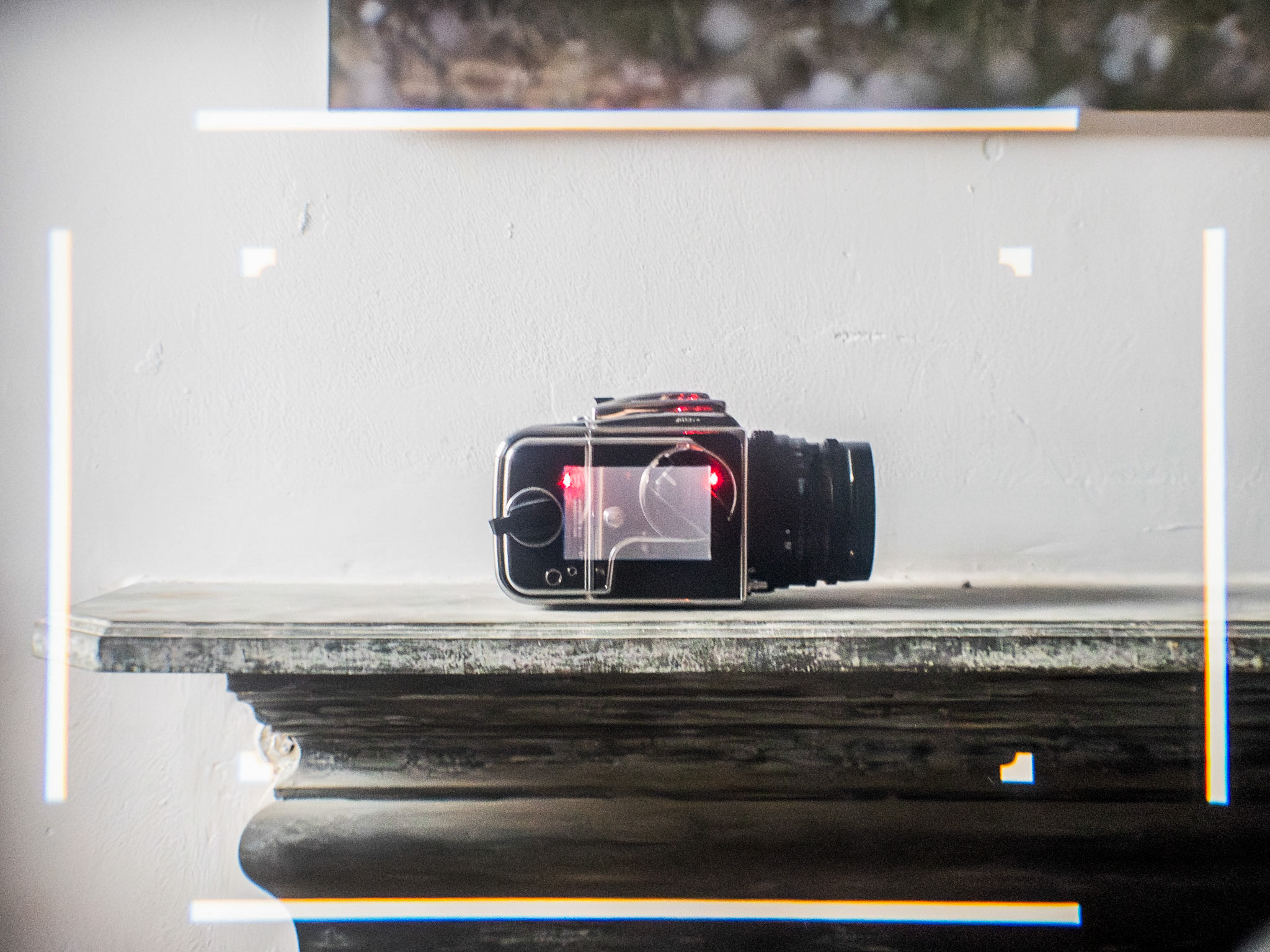
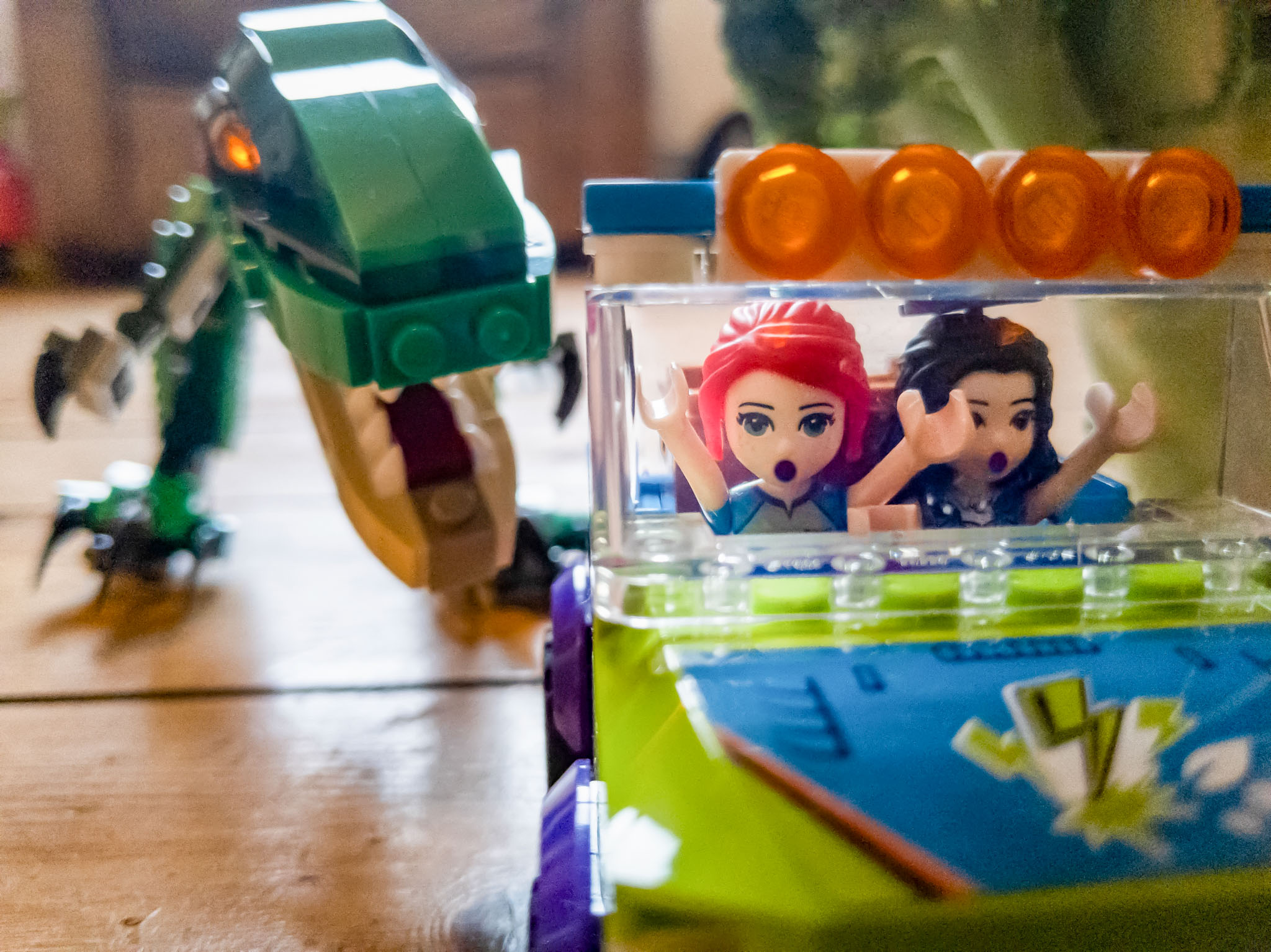
When I needed to shoot through the viewfinder of my Leica for a post on 35mmc, I couldn’t get what I wanted with my R5. When I wanted to mess around with some lego to make a point, the phone was infinitely faster than making the image with one of my other cameras.
iPhone 12 Pro Max
Transcendence
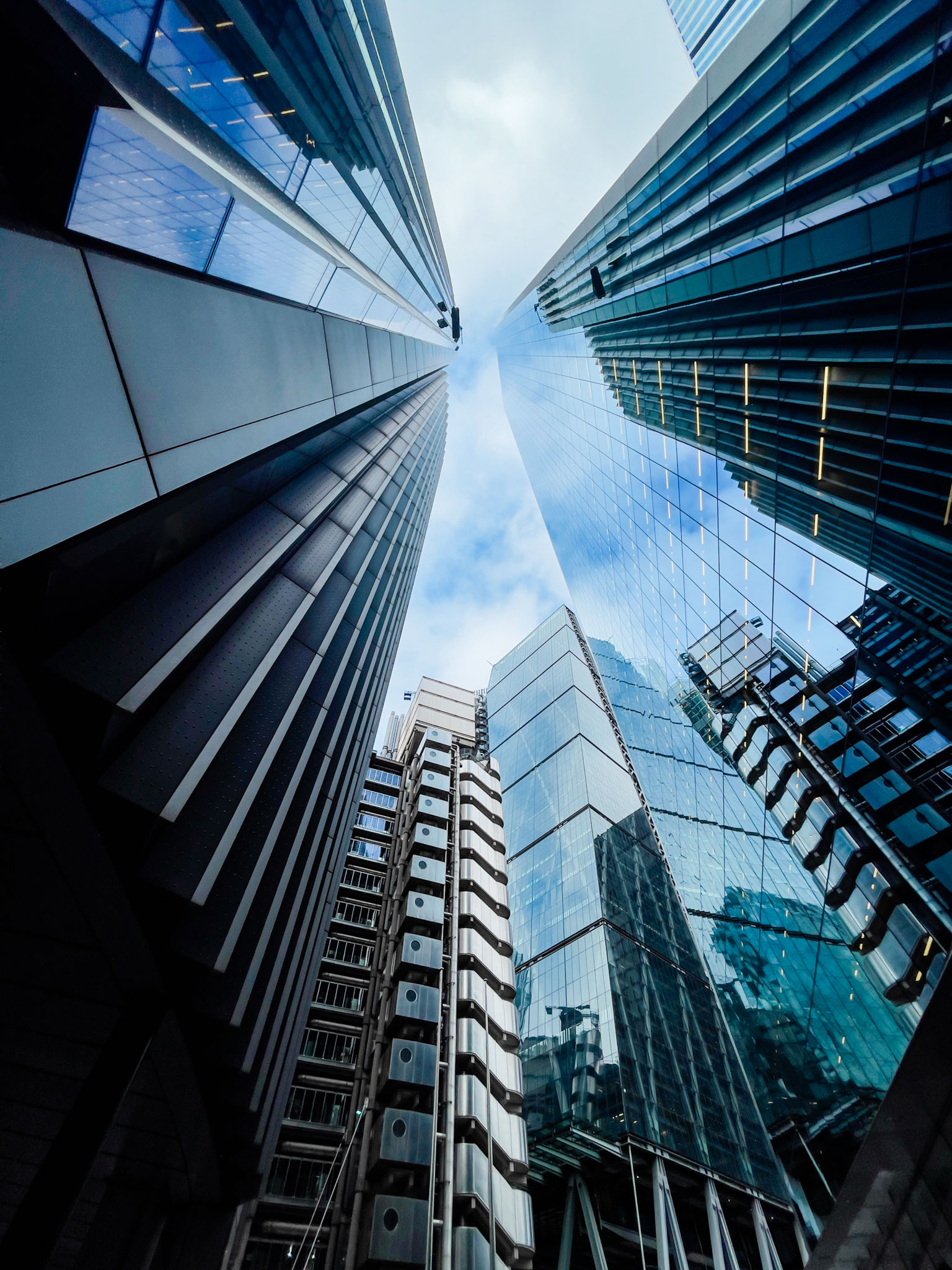
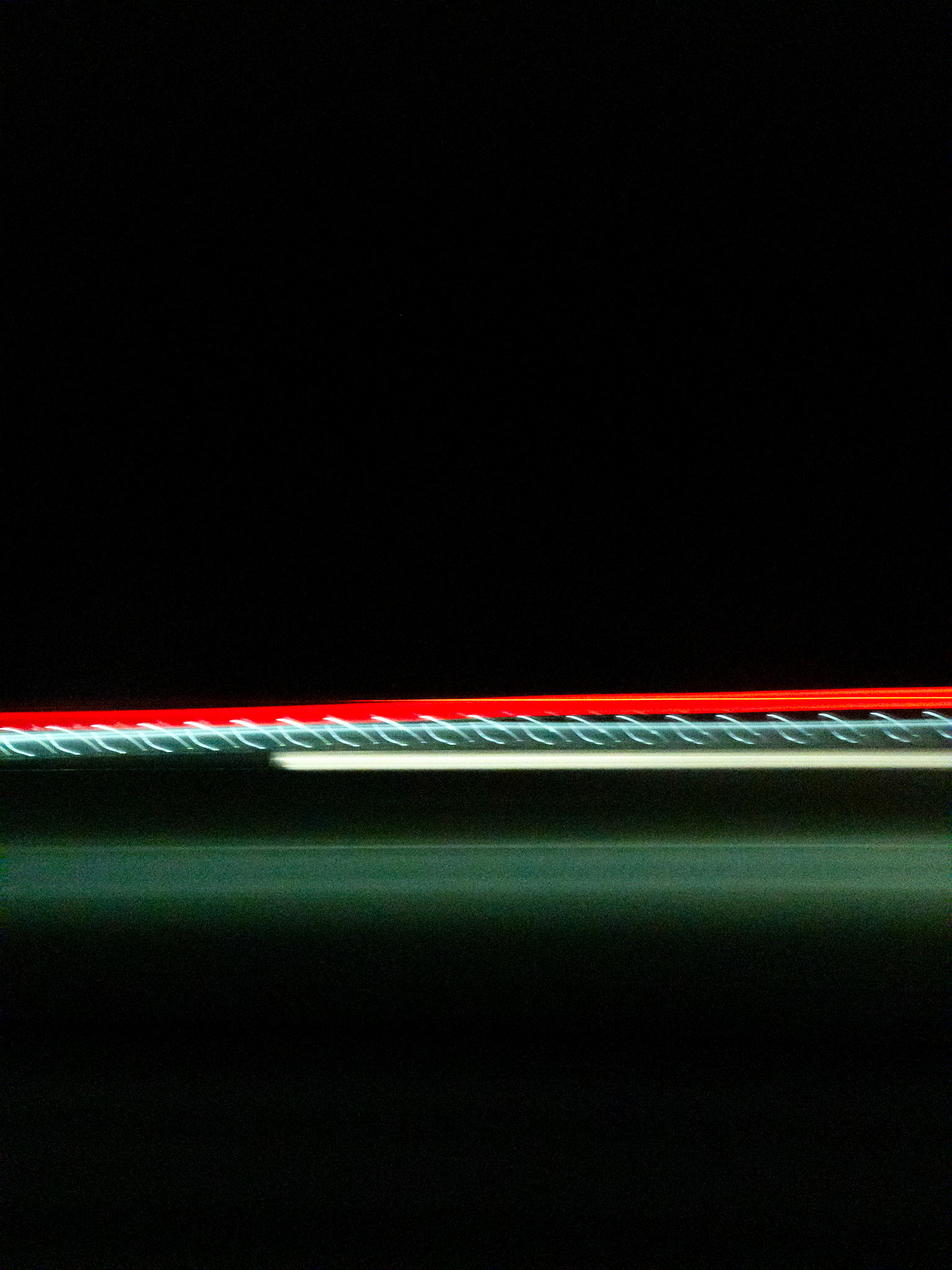
Beyond quick notes or memos, jokes, snapshots, and a reportage of my daily life, I’ve made images with the iPhone that have transcended the medium of their creation. Opportunistically using the camera to make images that have made their way into my annual calendar, or into my MA Exhibition.
When I say they have transcended their medium of creation, it isn’t a reflection of a prejudice against cellphone camera photography, hopefully it’s clear that I’m firmly in favour, it’s more that these images are better than they should be given their mode of construction.
The same rule applies to mobile phone cameras as it does to large format cameras. It doesn’t matter how hard or easy the image was to make, it’s about the image made. I would have loved to have made the following images on a device with more cache, not least because the file or negative created would have had more detail, dynamic range and resolution – but I didn’t, because I couldn’t, and these images remain strong regardless.
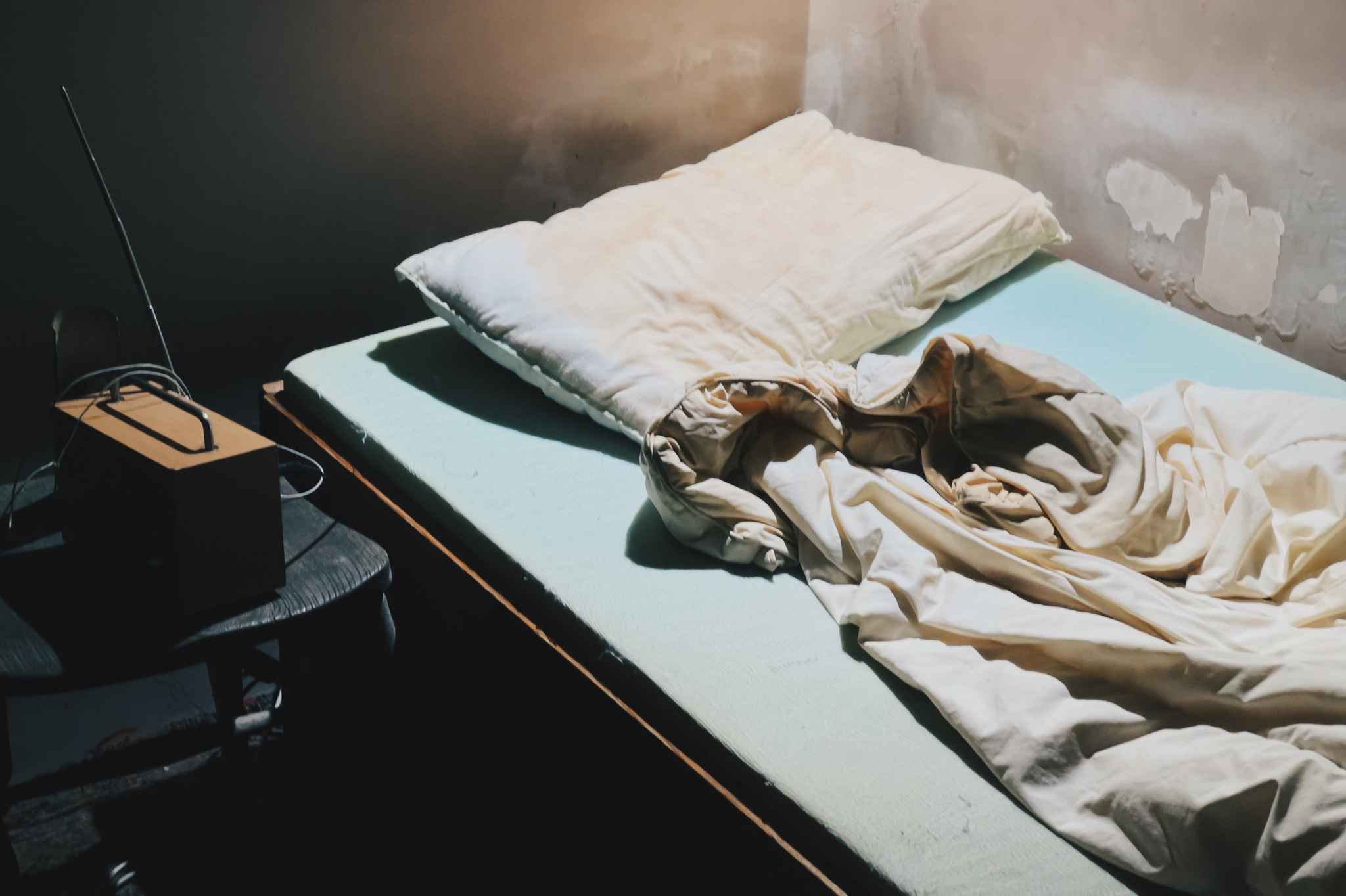
Part of Witness Marks – 2021 – iPhone 12 Pro Max



iPhone 12 Pro Max
Friction
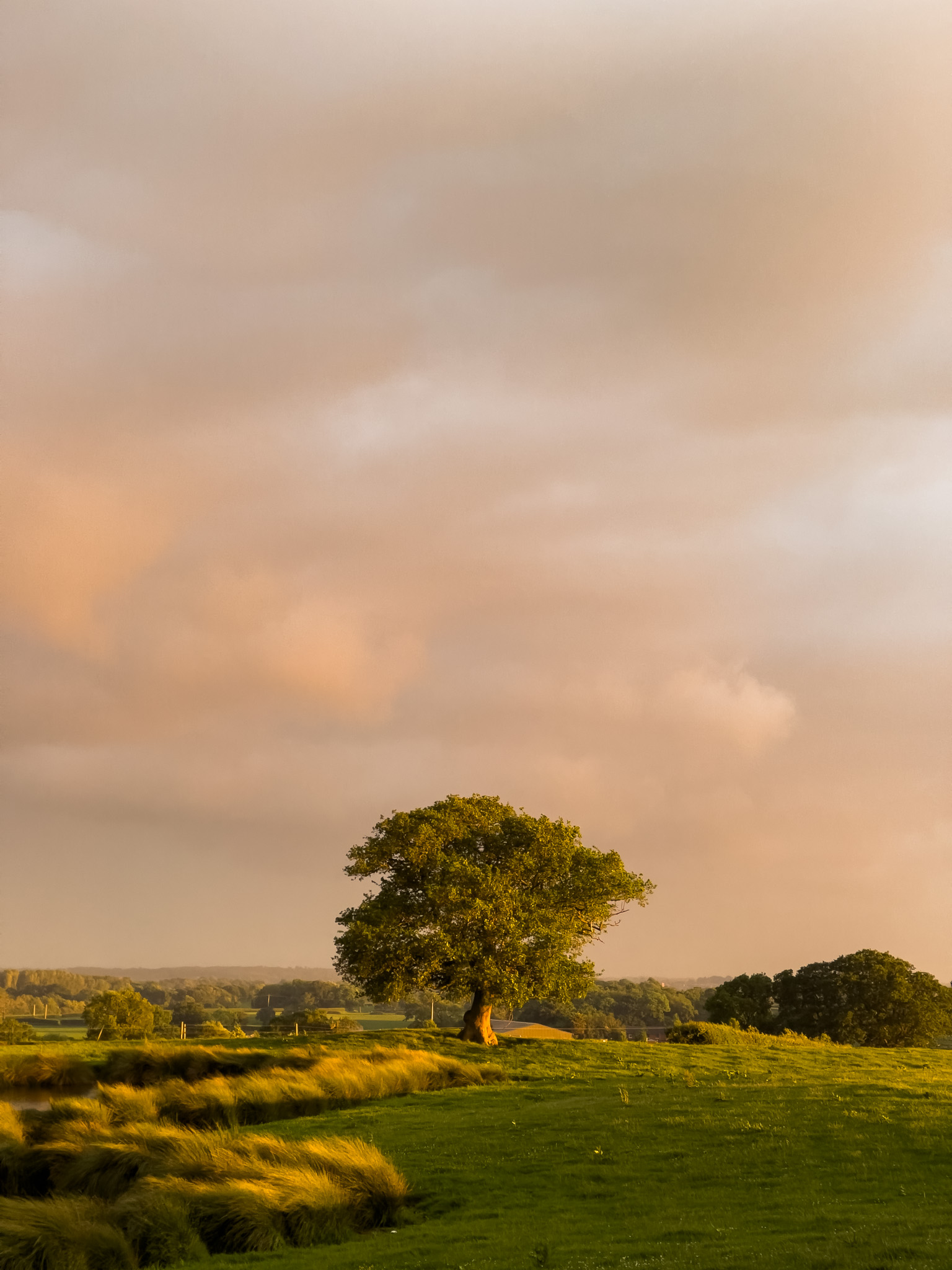
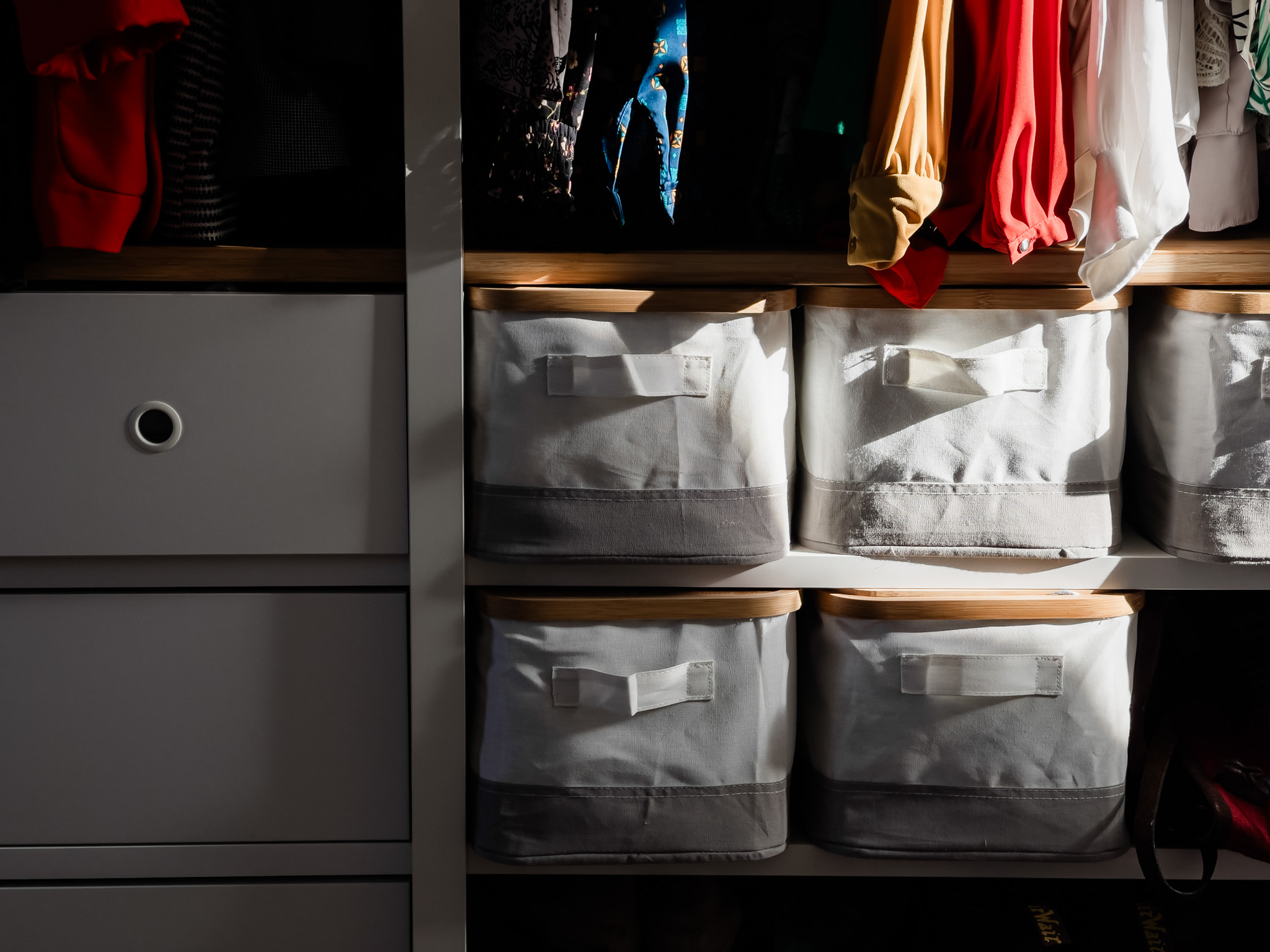
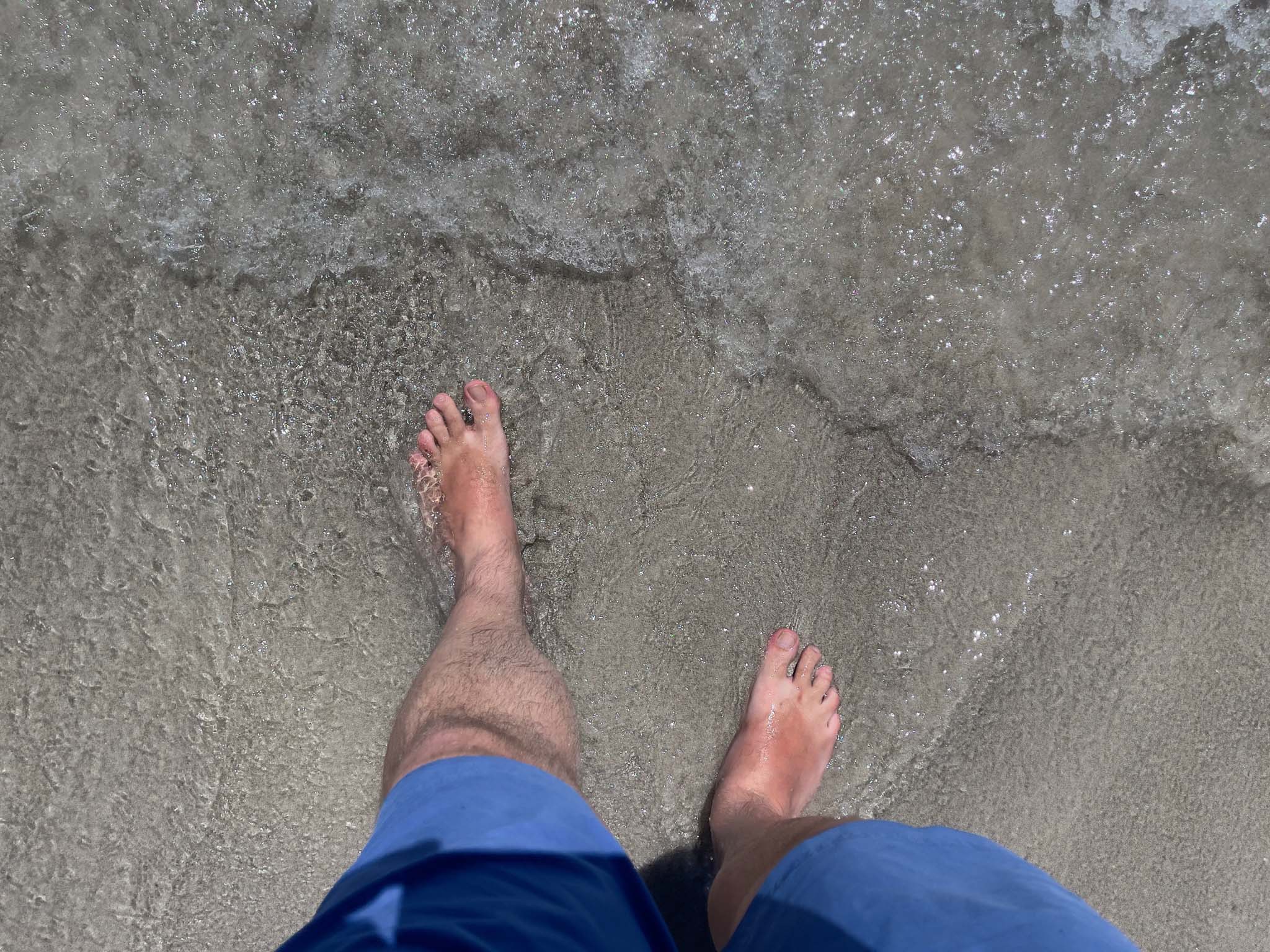
I talk a lot about the reduction of friction in photography. My collection of shoe-mount meters is a testament to my ongoing desire to make shooting my Leica as frictionless as possible.
The fact is that film cameras can always have the wrong film in them, any camera can have the wrong lens on it, and the really good stuff can be too expensive to risk. It’s also unlikely to be on the bedside table, mantelpiece, glovebox, or half-way up the stairs when you need it.
In many ways phone photography is as frictionless as photography can be, the only cost is in the quality of the file you get to work with in post, and they are getting better and better.





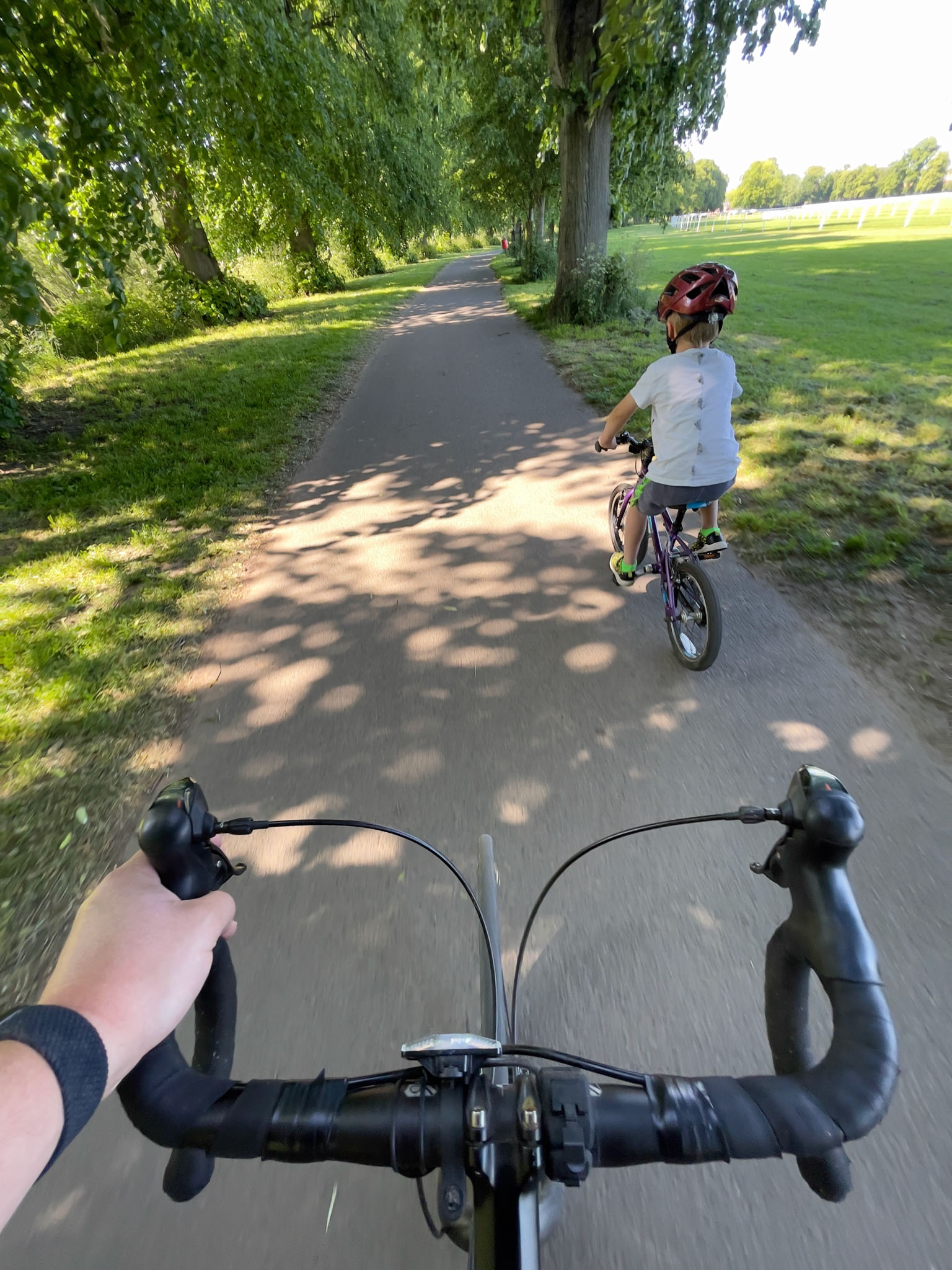
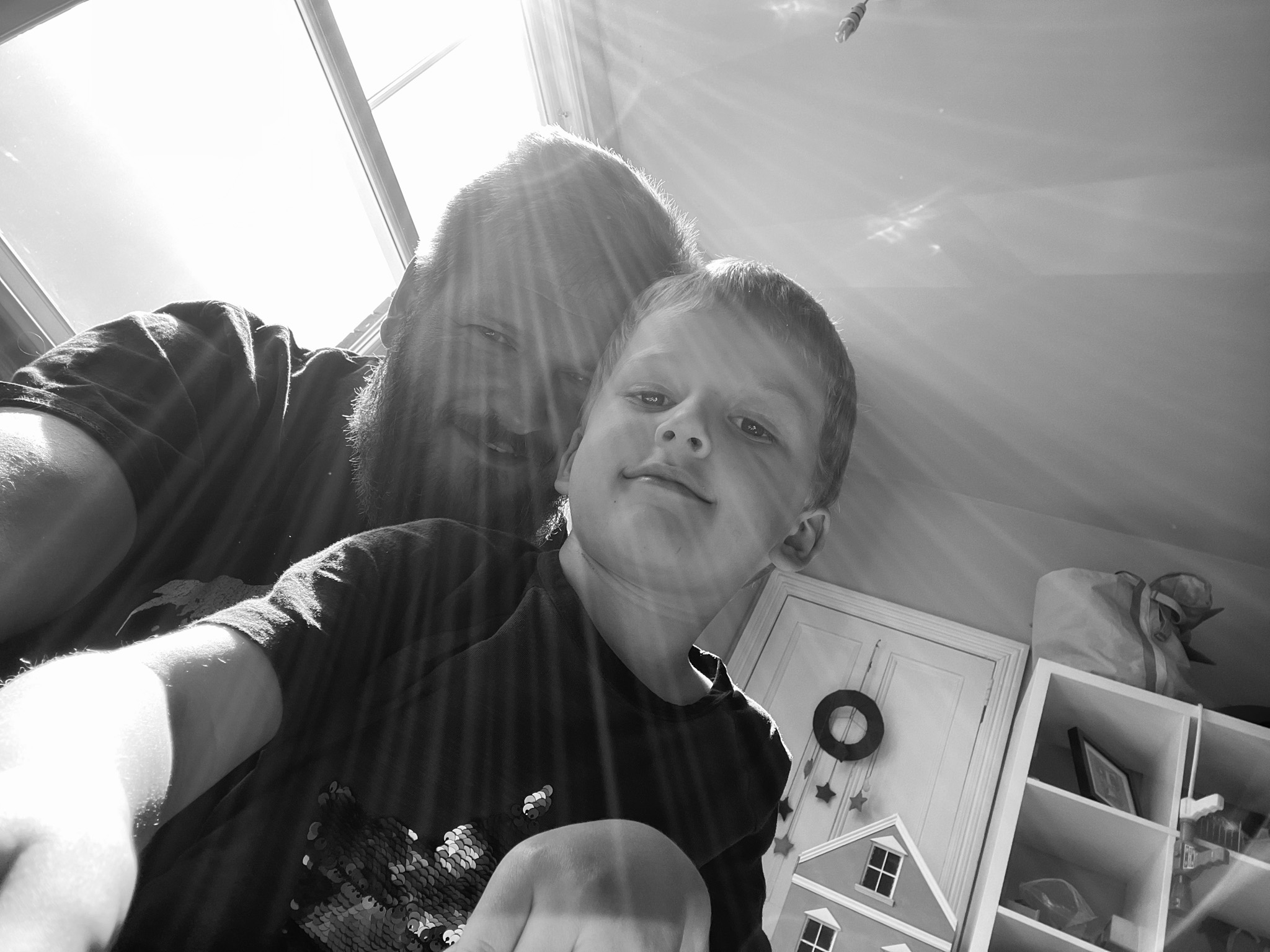

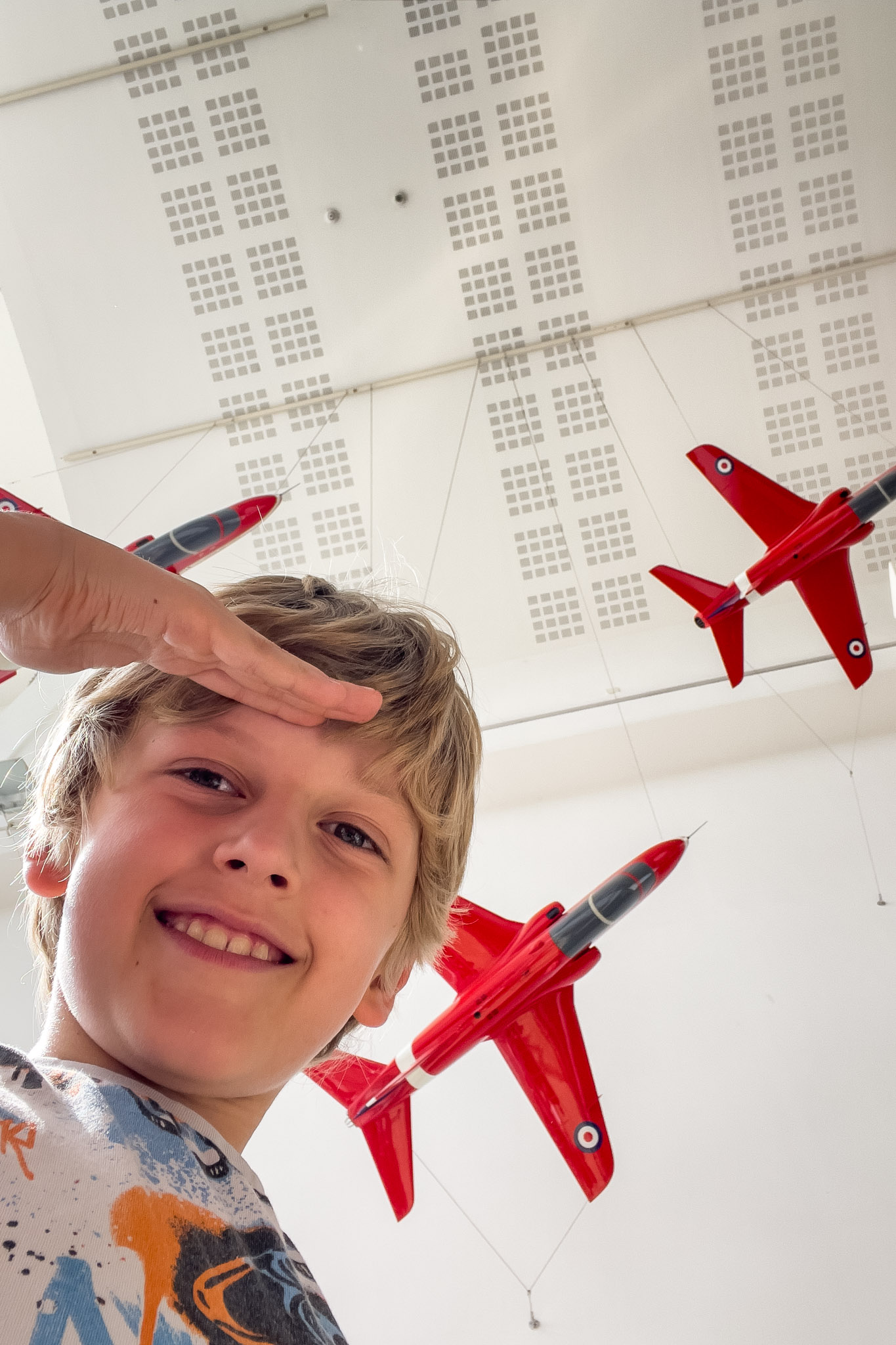


iPhone 12 Pro Max
Conclusions
I’ve been a Mac user for nearly 20 years and I have multiple computers and iPads. Since I bought the 12 Pro Max I’ve added commitments to a watch and some headphones that have essentially sealed my entrenchment in the Apple ecosystem.
It’s entirely possible that there are other cellphones with better cameras in the Android space, but defecting for marginal gains would have likely proved more trouble than it’s worth.

iPhone 17 Pro Max
Conclusions
The 17 Pro Max offers pleasantly similar performance to the 12 albeit at a higher resolution. I’ve yet to really plumb the capabilities of the cameras included in the new device but I like what I’m getting so far, and I’m excited to see what we can make together in the future.
In reality this post isn’t about the new phone, it’s about saying goodbye to the old one, and being surprised to feel feelings about it.
This is the 12 Pro Max’s swan song, an acknowledgment that it quietly and almost imperceptibly became my go to, go everywhere camera, almost without my notice.
While it’s been making these images it’s also been a viewfinder, a meter, a BTS camera, working alongside all of my sexier and more heroic cameras for the last five years, as well as doing all the phone stuff, no wonder the battery was knackered.
I didn’t get the rush from shooting it that I get from the other cameras in my collection, and I often used it because I had nothing else to hand, but in the time I’ve owned it, it has rewarded me with some lovely photographs, photographs that wouldn’t exist without it.
Perhaps it’s little wonder that I’m feeling feelings about saying goodbye.