
Dahlia – Canon EOS R5 – RF 50mm f/1.2
A lack of Romance
I don’t write about my digital gear very often, partly because the load out doesn’t change that much anymore, and partly because I’m not sure how interesting it would be.
I do love my digital cameras, but they are a machine tool in a way that my film cameras aren’t. Their constant use for work breeds an attitude that is less about feel and more about productivity.
I suppose I just romanticise them less.
In September, after five or so years of faithful service and some fairly hard work, one of my 5d MkIVs died between jobs. I’ve been hankering for the Canon R5 for some time, and this failure made it feel like it was time to start making some changes. While my MkIV was being repaired I went to The Photography Show and bought an R5, ostensibly to test it.
I didn’t want to commit my professional self to something that proved to be a backward step.
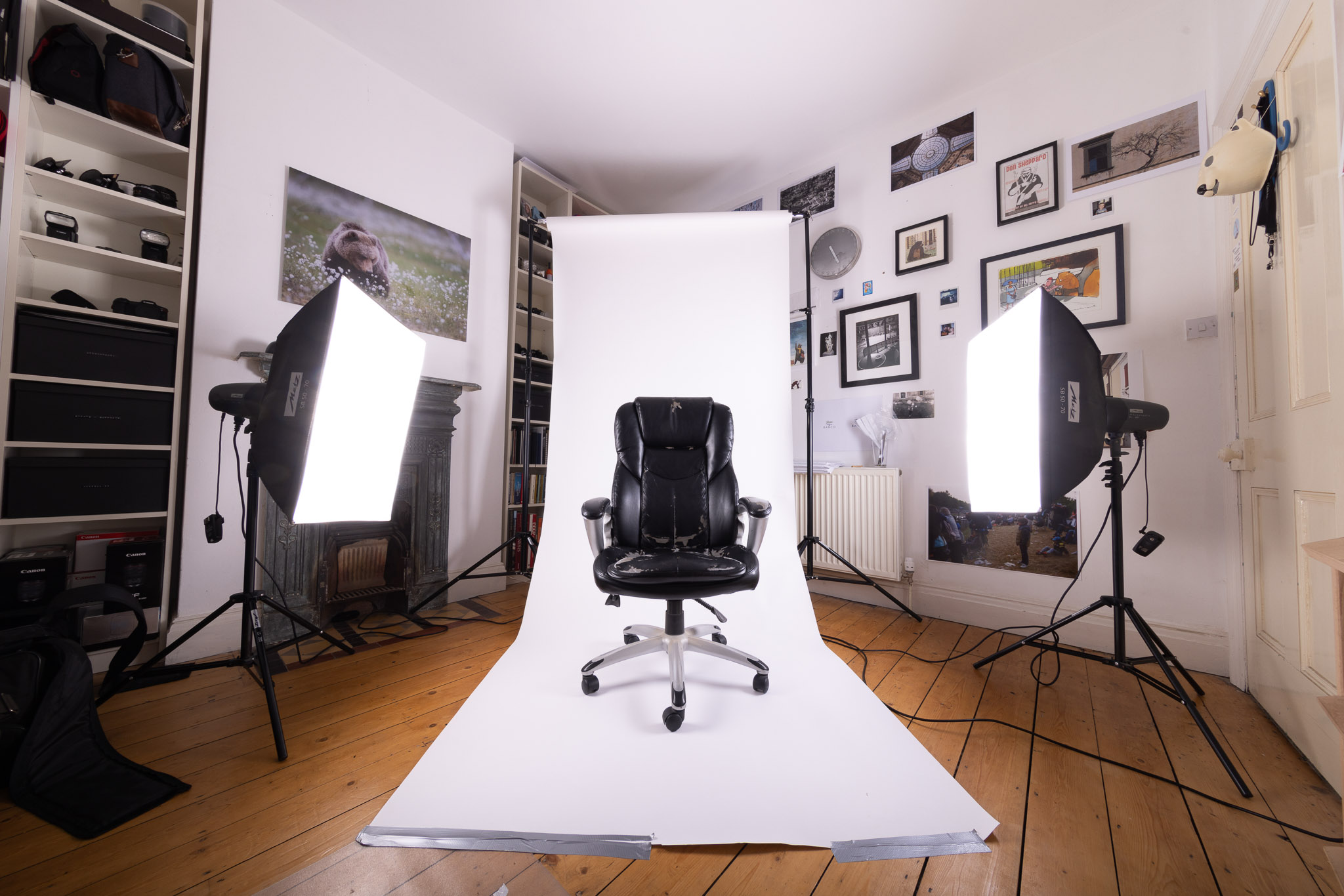
Wide – Canon EOS R5 – adapted Irix 11mm f/4
Love at first job
I fell in love with the R5 pretty quickly, as I suspected I might. It worked as I hoped it would work, changed the things I hoped it would change, and slotted in to my kit seamlessly.
Here’s a quick list of things that make the EOS R5 awesome. (These are relative to my outgoing 5D MkIV bodies, I’m aware that none of these features are revolutionary.)
* Eye detection autofocus, it’s just ace.
* Awesome tracking focus.
* Manual focus improvement.
* Great swathes of image stabilisation.
* The flip out screen.
* Using an EVF, I love the feedback it gives me.
* Phenomenal CF-Express download speeds.
* The significant jump in resolution.
* The smaller form factor.

Things that are less awesome
The fact is that Canon haven’t been at the absolute forefront of the digital imaging world for quite some time, (at least they haven’t with their full-frame commercial stills cameras, which is the niche I’m interested in). Sticking with them has at times felt like being held hostage by my previous investment.
The sensor in the R5 has been ranked the 14th best in an overall test against its full frame competition. (It was beaten by 2016s Pentax K1, and Nikon’s D800E from 2012, which share an old Sony Sensor).
This kind of thing makes me sad, after all, who wants the 14th best sensor on the market? It does however out-perform the camera that it is replacing, and adds IBIS, eye-detection autofocus, and all of that other good stuff I listed above.
I also remind myself, that I don’t want any of the cameras that out-performed it, least of all the Panasonic S1R (which has the top spot).
Would I choose Canon if I were starting out now? I don’t know, I might go Sony, but I’m not a huge fan of their colour.
Would I choose Canon if I only photographed for myself? Not sure. The Fuji GF range makes me drool, especially the new 100S, but they depreciate faster than an Alfa Romeo. I might just shoot film.
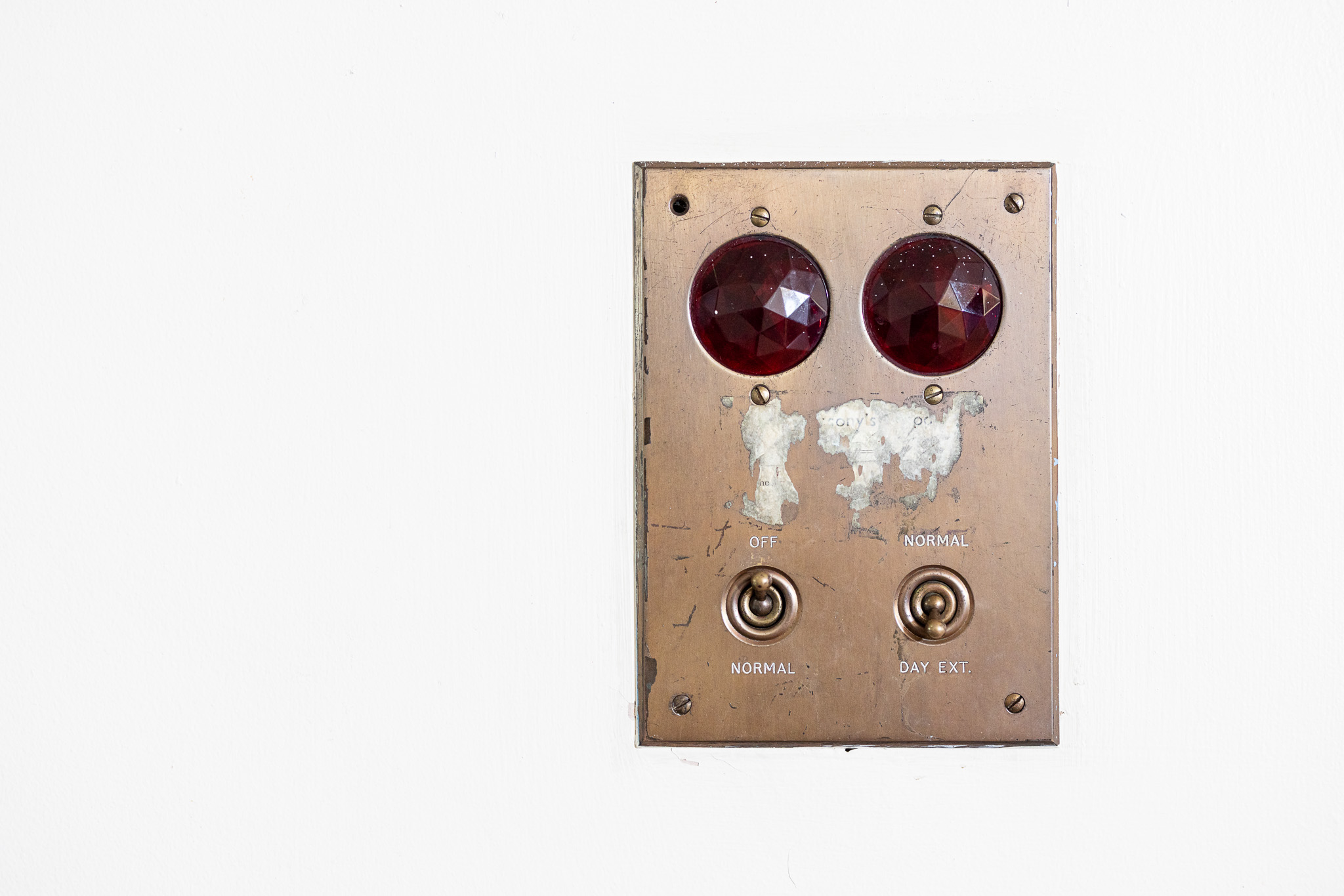
Switch – Canon EOS R5 – RF 24-70mm f/2.8
To switch, or not to switch
After borrowing a Sony A7MKIII for a play a few years ago, I knew that I needed to go mirrorless. I needed that eye-detection, that flexibility.
Since then I’ve been waiting for Canon to bring a serious mirrorless successor to the 5d MkIV to market. I’ve killed that time by considering my options. It was tempting to defect to Sony, to Fuji and to Nikon.
I thought a lot about a simple question.
Canon has two hooks in me. There’s the sheer inertia of thirteen years worth of accessories, lenses, and knowledge, and there’s Canon’s colour science, which I love.
Then there’s the knowledge that I’m not buying for me, I’m buying for my clients. They might not care how the sausages get made, but they do want sausages, and I need to be able make them.
My cameras have to be a swiss-army knife, as do I. Sports performance is important, as is landscape resolution, as is ease of editing, colour rendition, and then there is the speed and ease of upgrading.
When the time came, I didn’t want revolutionary, I wanted, to paraphrase Henry Ford, a faster (or in this case), a mirrorless horse.
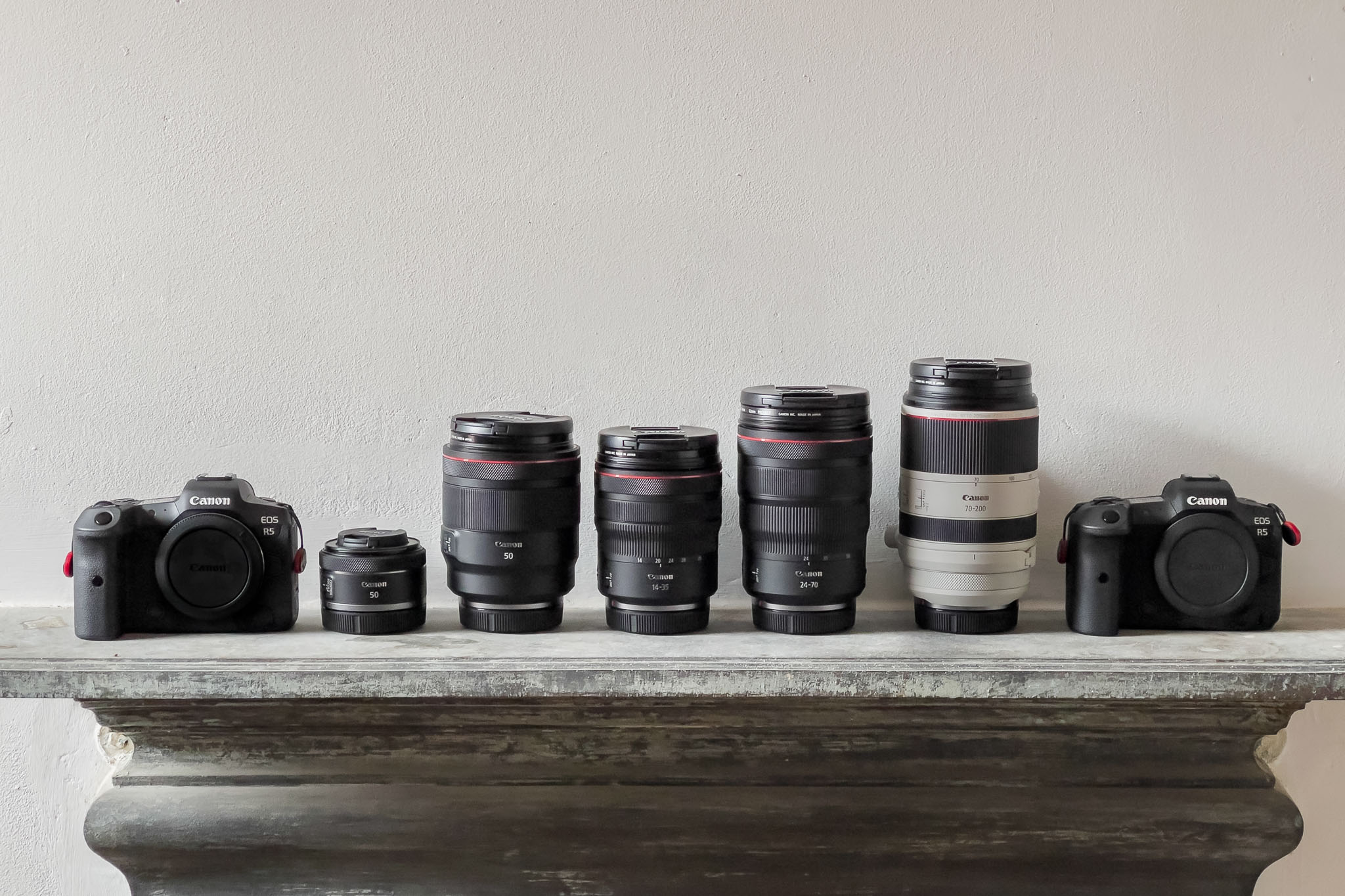
That didn’t take long – iPhone 12 Pro Max
That didn’t take long
There’s a real possibility that I originally bought a Canon camera because they sponsored the Williams F1 team in the Eighties. Having spent my formative years watching Nigel Mansell drive quickly in a circle emblazoned with the Canon logo, I don’t think I looked in the Nikon cabinet when I began researching my first DSLR.
I bought a Canon, bought more lenses for it, bought another body, upgraded them, went full frame, went pro, and now I’ve gone mirrorless.
Once the repaired MkIV was back, I part-exchanged it with my other body for a second R5.
I’ve also swapped a few of my lenses over to native mount. (A good deal quicker than I expected to). My kit currently includes two RF 50mm lenses, a 24-70mm f/2.8, 70-200mm f/2.8, and 14-35mm f/4. (I’ve even parted with my beloved EF 50mm f/1.2).
This leaves me with five EF mount lenses which I can use with an adaptor. Two of which I’ll change over at some point, but there’s no hurry.
The Canon R5 has made my professional life easier. The pictures are great and the clients are happy. The change has fixed the things I wanted it to fix, with minimum fuss and the camera continues to surprise me with its all round capability.
I don’t know whether this is an interesting story, it’s pretty niche. There are so many factors that go into making a good camera, some of which aren’t about the camera at all, and everything is so personal. After all the vacillation, reading, number crunching, dyspeptic rants directed at blank faces, it’s easy to forget that it’s not about the camera.
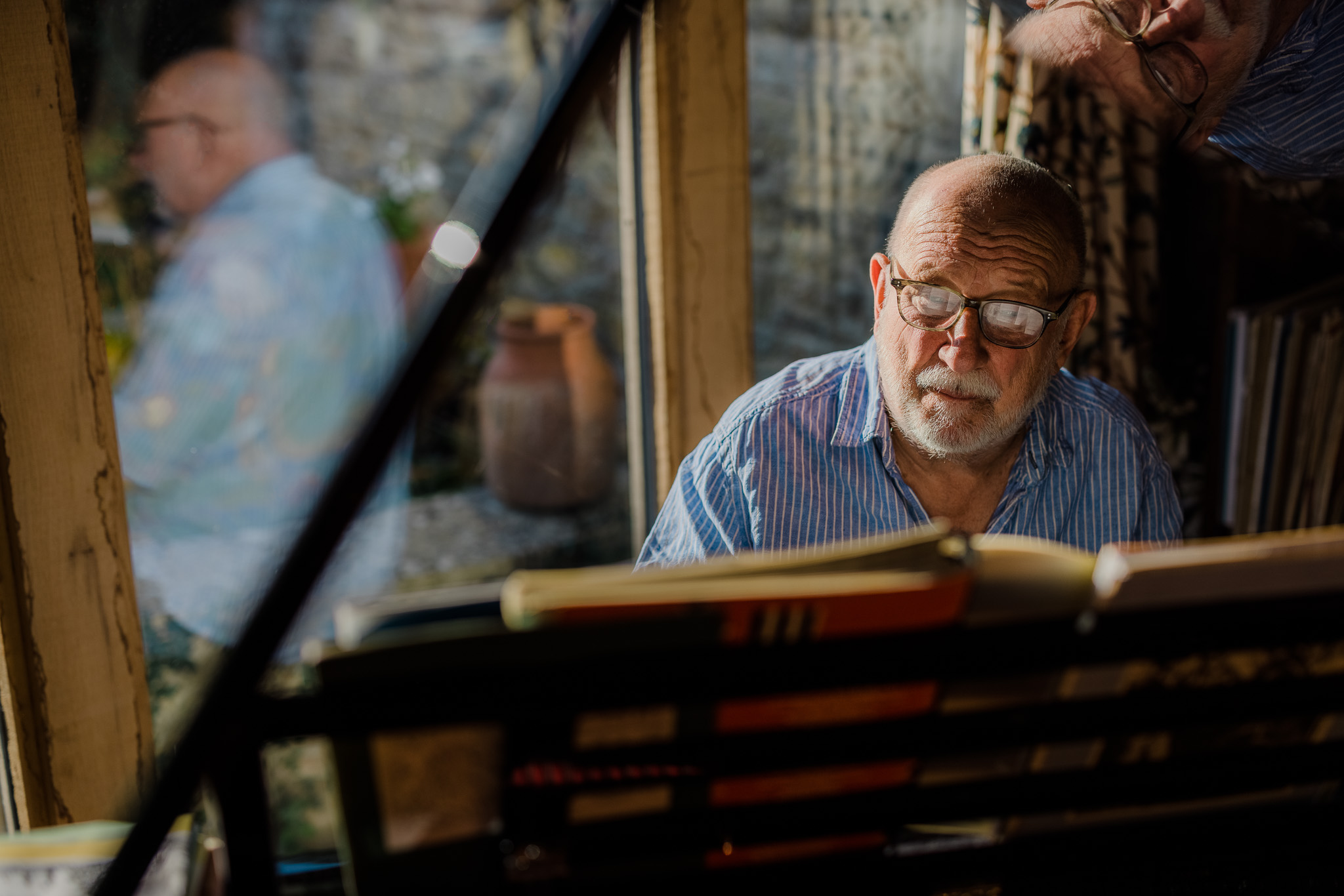
Nice Man has Birthday – Canon EOS R5 – RF 50mm f/1.2

By the light of a Firework – Canon EOS R5 – RF 50mm f/1.8
Rockwell Moment
I got my all of my Canon RF gear from those nice people at London Camera Exchange. I know that I work for them occasionally and so might be a little biased, but the people are the reason I still work there.
You can see all their new and used stuff here, they might still have some of my EF bits, if you’re interested.