
Tachihara Hope / Schneider 90mm f/6.8 Angulon / Kodak Portra 400
Equilibrium
My large-format camera came to me in one handy package; camera, lens, dark-slides, loupe, blanket, and briefcase. The lens is an Alto 150mm f/5.6 which equates on 4×5″, roughly, to a 50mm lens on 35mm film.
Alto isn’t a name I know and there don’t seem to be many about, but it has performed admirably, proving to be flexible, sharp, and reliable. It did a sterling job of the Italian landscapes I threw it at last summer and has pleased me with the bits I’ve done since.
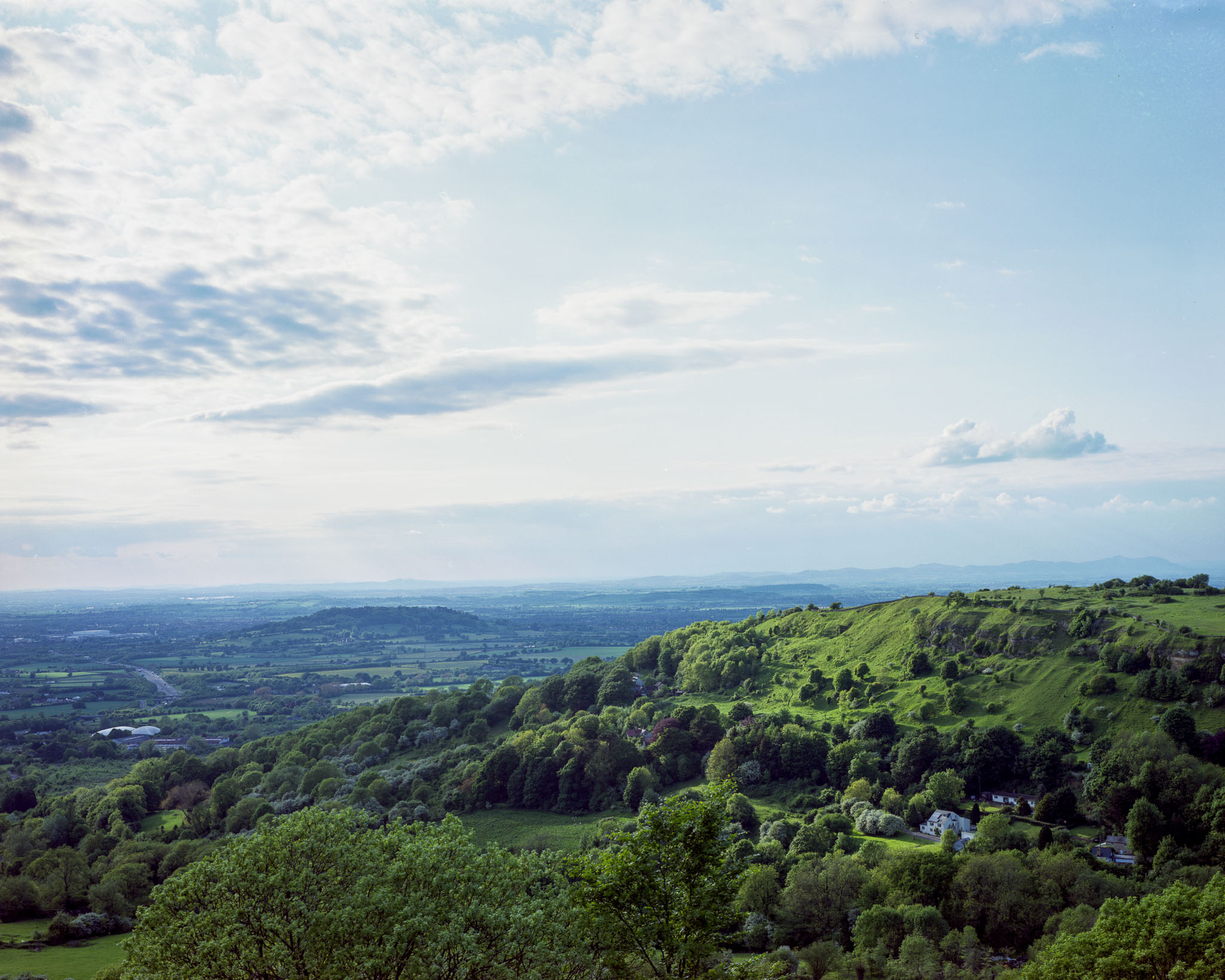
Tachihara / 90mm f/6.8 / Expired Fujifilm NPS 160
Disruption
There have been a couple of times when I wanted a wider field of view. I had my back against a wall in Pisa and still couldn’t use the photo, likewise a photo of Santa Maria della Consolazione in Todi was not as intended due to focal length.
My first foray into wide-angle large format lenses did not go so well. When I found myself in Rome on my birthday, with a bunch of closed galleries on my itinerary, I commiserated in a Roman camera shop. This was where I bought what I thought was a suitable wide-angle lens.
It was a press lens, and it wouldn’t cover 4×5″ film.
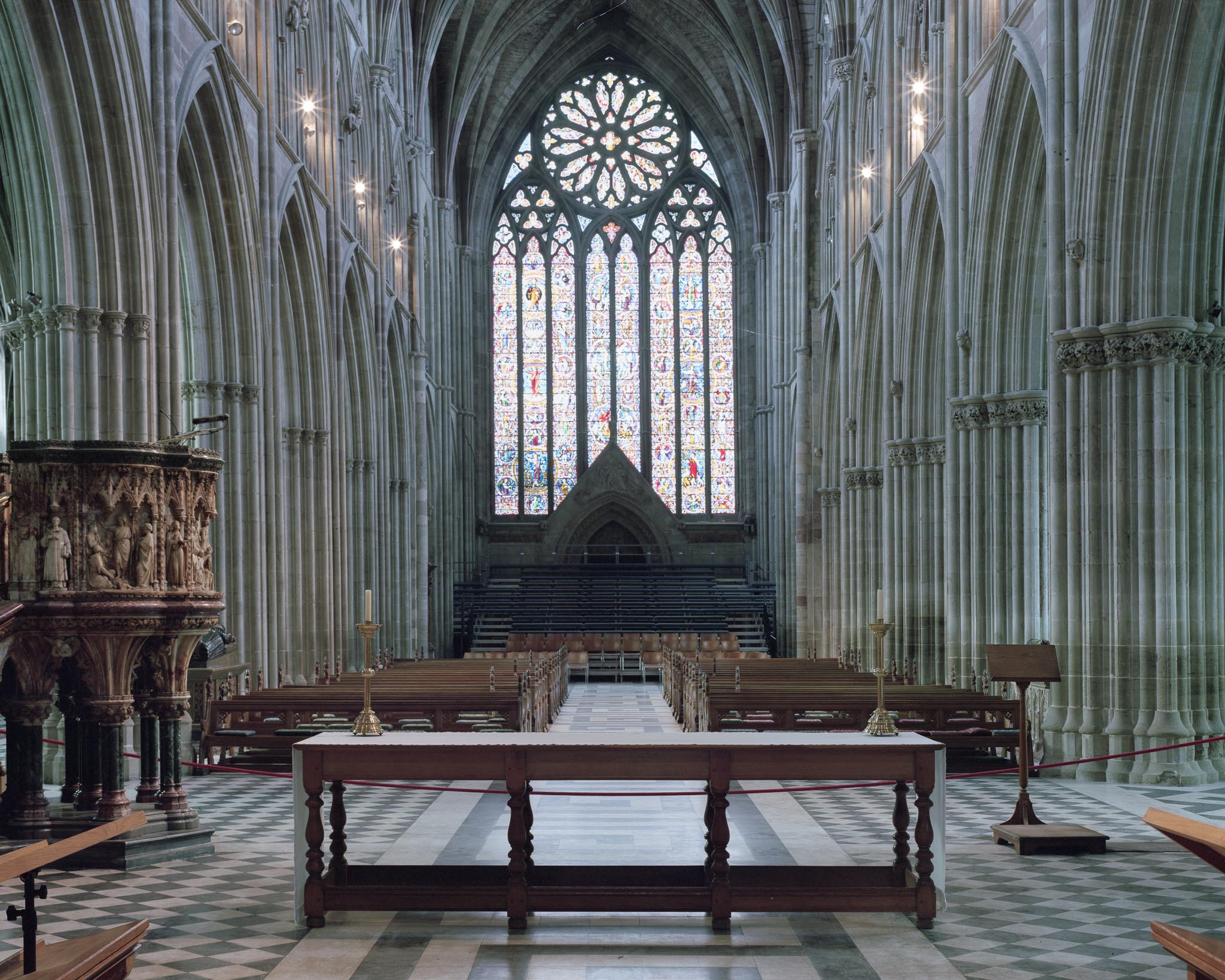
Tachihara / 90mm f/6.8 / Portra 400
Repair
A friend of mine had a Schneider 90mm f/6.8 Angulon that I could borrow. This was pre-winter so it was a while before I had the time and the light to get out and shoot with it.
The 90mm offers a rough 27mm equivalent in 35mm film terms, so it’s pretty wide. It’s a smidgeon harder to focus than my 150mm in low light (f/6.8) but it does a nice job of a landscape.
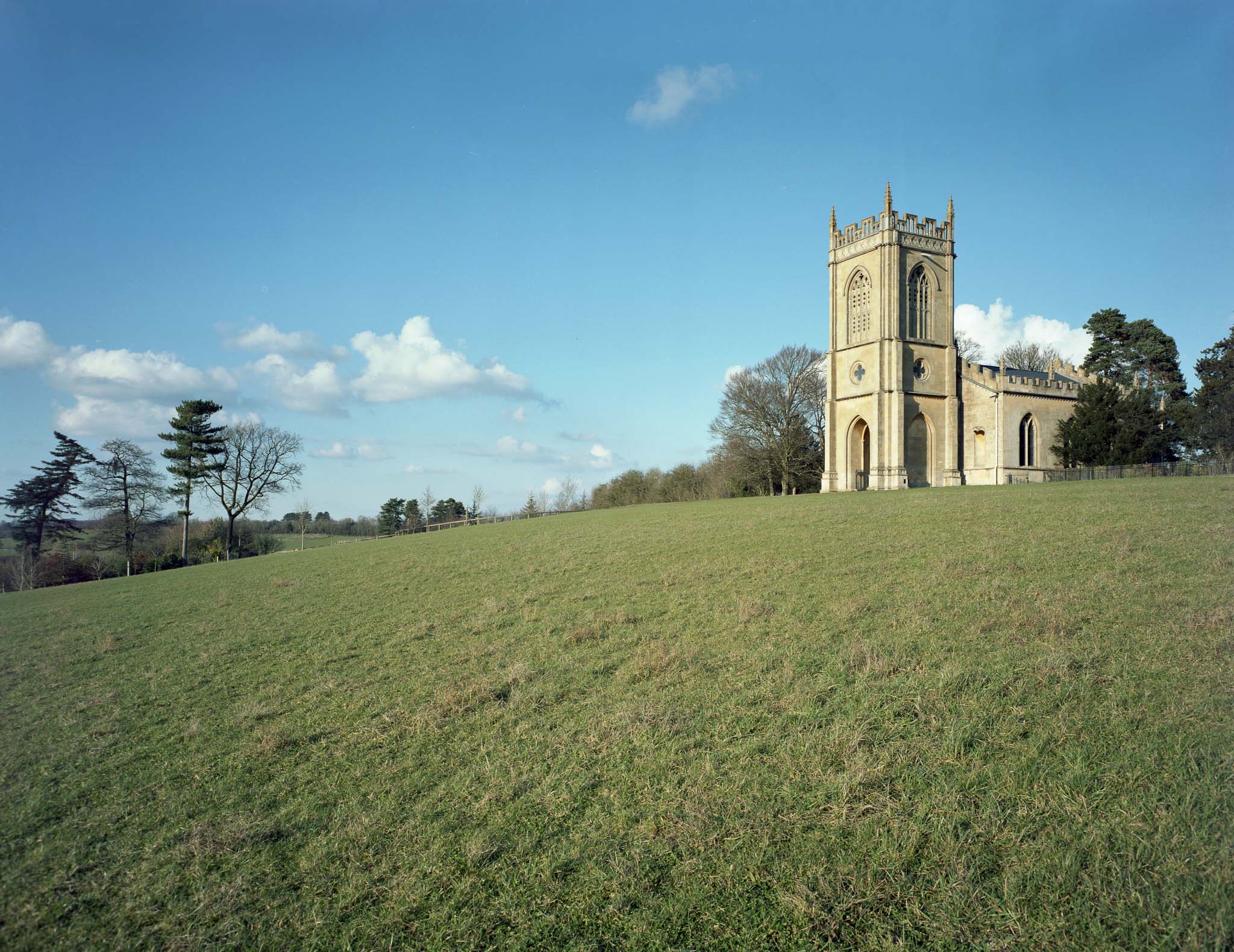
Tachihara / 90mm f/6.8 / Portra 400

Tachihara / 90mm f/6.8 / Ilford HP5+
New Equilibrium
It’s taught me a few things too. Such as why wide-angle lenses sit so well on recessed lens boards, for example, or how to drop the base plate of your camera so it doesn’t feature in your photo. I like that it is so light and compact, and appears to offer as much movement as I’ve needed so far.
A 90mm seems like a good balance between field of view and available movement, I’m going to have to get one.